A recent cluster of hantavirus cases tied to the cruise ship MV Hondius has renewed attention on how the disease can turn up in ordinary places — from storage sheds to unused campers — and what that could mean for everyday activities this spring. Scientists are particularly watchful because the outbreak involved the **Andes virus**, the only hantavirus strain known to transmit between people under prolonged close contact, raising fresh questions about exposure and prevention.
Hantaviruses are primarily spread by wild rodents. In the United States, most infections are still concentrated in the desert Southwest and on the West Coast, but the new developments linked to the MV Hondius have made public-health officials more alert to domestic risks that can be overlooked.
Transmission usually happens when dust contaminated with rodent urine, droppings or saliva becomes airborne and is inhaled, or when people touch contaminated surfaces and then their face. Direct bites from rodents are a less common route.
Michael Page dropped from UFC rankings despite victory: what it means for his career
Viral video shows 81-year-old delivery worker struggling with heavy luggage
Where the risk hides
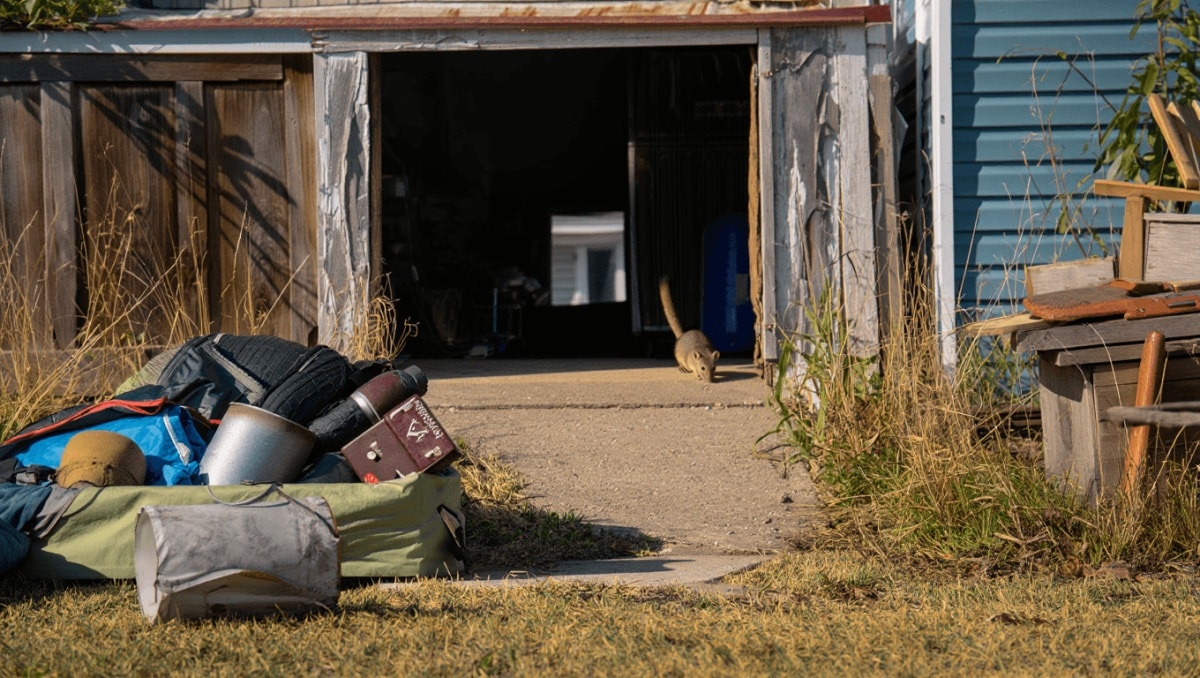
Exposure is most likely in enclosed, poorly ventilated spaces where rodents can nest for long periods without detection. These places can accumulate infectious material that becomes dangerous when disturbed.
- High-risk locations: garages, garden sheds, attics, basements, cabins, barns, crawl spaces, storage units, and areas behind appliances.
- Vehicles and vessels: unused cars, RVs, campers and boats that have been closed up are common unexpected sources.
- Outdoor work sites: handling firewood, disturbing burrows or working in rodent-prone fields.
Public-health officials note a seasonal pattern: many human cases appear in spring after buildings have sat unused through winter, giving rodent populations time to build nests indoors.
Practical precautions
Experts advise treating any space suspected of rodent infestation as potentially hazardous and taking steps that reduce dust and aerosolization. The Centers for Disease Control and Prevention recommends against sweeping or vacuuming droppings or nest material because these actions can fling particles into the air.
Safer cleaning steps include ventilating the area first, then wetting contaminated surfaces with a disinfectant or a diluted bleach solution before removing debris while wearing protective gloves and a mask. Dispose of waste in sealed bags and wash hands thoroughly afterward.
- Open doors and windows for at least 30 minutes to air out enclosed spaces.
- Wet droppings and nests with disinfectant; allow time to soak before removal.
- Use disposable paper towels to pick up material; place them in a sealed plastic bag.
- Avoid sweeping, mopping dry, or vacuuming until surfaces are thoroughly wetted.
- Always wash hands and launder clothes after cleanup.
Signs that rodents have been present
Clues include scattered droppings, shredded fibrous materials used for nests, fresh gnaw marks, a strong musky odor and nocturnal scratching or scurrying noises inside walls or ceilings. Recognizing these signals early can prevent accidental exposure.
Dr. Linda Yancey, an infectious-disease physician in the Houston area, emphasizes that exposure may occur without ever seeing a rodent. “People are often infected while clearing out long-unused storage spaces — the dust and droppings alone can be the source,” she says.
What this means now
For most Americans the immediate risk remains low, but the recent cruise-ship outbreak highlights two practical takeaways: first, be cautious when entering closed spaces or reopening stored vehicles this season; second, follow simple, CDC-recommended cleaning steps to lower the chance of inhaling contaminated dust.
Because the Andes strain can, in rare circumstances, pass between people after sustained close contact, health officials are continuing investigations into the MV Hondius cases. That possibility underscores why early recognition and careful handling of potential rodent contamination matter — especially in shared living or travel environments.
Keeping an eye out for infestation signs and using measured, disinfecting cleanup methods are the most effective ways to protect yourself and others as public-health authorities monitor the situation.