Show summary Hide summary
During its latest Wellness Week segment, Fox & Friends spotlighted two therapies that have surged in popularity: red light treatments and contrast therapy. With more consumer devices and wellness studios offering these services, viewers are asking what the science actually shows and whether trying them is worth the time and money.
Why this matters now
Both approaches have moved from clinical settings into gyms, spas and at-home gadgets. As accessibility rises, so do questions about effectiveness, safety and cost — issues that matter to anyone considering adding a new recovery or beauty routine.
Michael Page dropped from UFC rankings despite victory: what it means for his career
Viral video shows 81-year-old delivery worker struggling with heavy luggage
What is red light therapy?
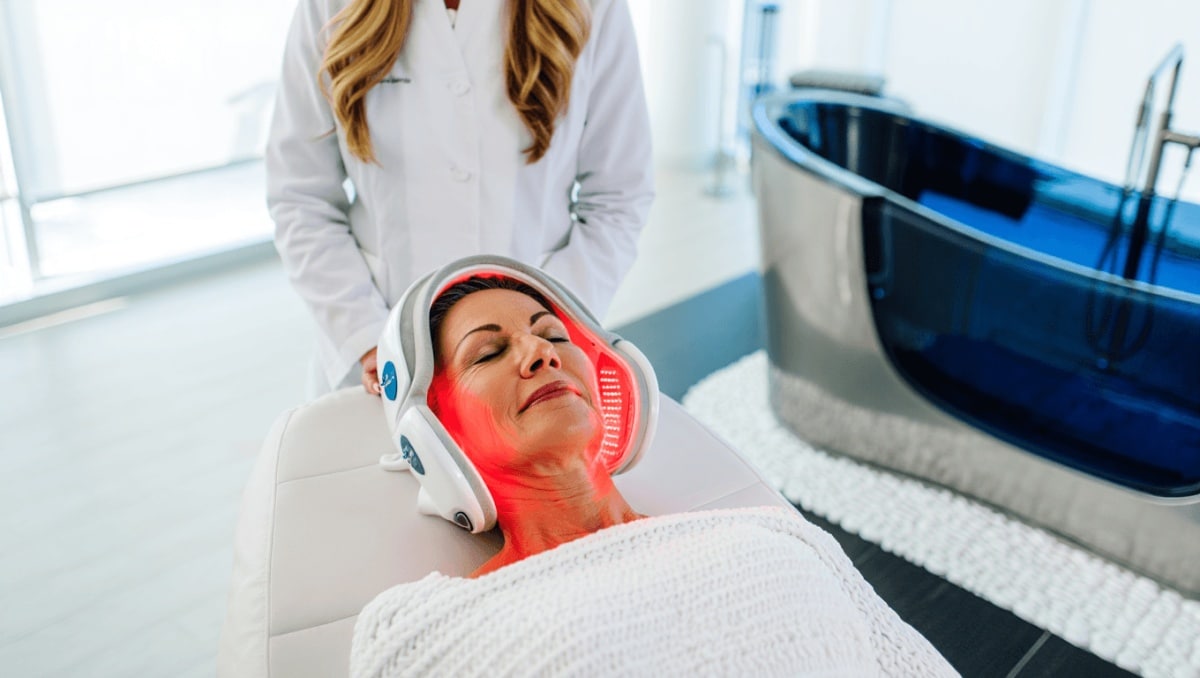
Red light therapy uses low-level wavelengths of red or near-infrared light applied to the skin to stimulate cellular processes. Providers market it for everything from skin rejuvenation to muscle recovery and reduced inflammation.
Clinical studies show some promising signals — for example, modest improvements in wound healing and certain skin conditions — but results vary by wavelength, dose and treatment frequency. Experts emphasize that benefits are often incremental and depend on consistent, proper use.
What is contrast therapy?
Contrast therapy alternates exposure to hot and cold — typically a hot bath or sauna followed by an ice bath or cold shower. Athletes often use it to target muscle soreness and circulation after intense training.
Research on contrast therapy suggests it can reduce perceived muscle soreness and may speed subjective recovery, though objective measures (like strength or long-term performance) are less conclusive. There are also practical concerns: improper use can stress the cardiovascular system, particularly for people with underlying heart conditions.
| Therapy | Typical claims | Evidence summary | Common delivery |
|---|---|---|---|
| Red light therapy | Improves skin tone, reduces inflammation, aids recovery | Emerging evidence for skin and wound healing; mixed results for pain and performance | In-clinic lamps, handheld devices, masks |
| Contrast therapy | Reduces muscle soreness, speeds recovery, improves circulation | Good for lowering perceived soreness; limited proof for long-term performance gains | Sauna/steam + cold plunge or ice bath; hot/cold showers |
- Practical takeaway: both methods can offer short-term relief for some users, but they are not miracle cures.
- Safety flags: people with cardiovascular problems, uncontrolled high blood pressure, or certain skin conditions should consult a clinician before trying contrast or intense light-based treatments.
- Consistency matters. Many reported benefits come from repeated sessions under the right conditions rather than a single treatment.
- Device variation is wide. Consumer red light devices differ in wavelength and power from clinical units, affecting results and treatment time.
For viewers watching the Fox & Friends Wellness Week coverage, the key question is not just whether these therapies work, but whether they fit personal health needs and budgets. Medical professionals recommend discussing new recovery or cosmetic regimens with a trusted clinician, especially when they involve extreme temperatures or prolonged light exposure.
As these trends continue into mainstream wellness offerings, the balance between anecdote and evidence will determine how broadly they are adopted. For now, consider modest expectations, prioritize safety, and look to controlled studies rather than marketing when weighing the benefits.