Show summary Hide summary
Victor Wembanyama’s shot chart reads like a statement: more than 1,100 attempts from beyond the arc already in his young NBA career — an unusual volume for a 22-year-old with his size. That trend is changing how the San Antonio Spurs use their most singular talent, but it also exposes a structural weakness that could keep a generational player from reaching the title stage.
Uncommon volume, familiar comparisons
Wembanyama has launched three-pointers at a pace rarely seen from rookies and sophomores. For perspective, Stephen Curry attempted about 843 triples in his first three seasons; James Harden roughly 1,034; Reggie Miller about 785. Wembanyama has already surpassed those figures, yet his game isn’t defined by perimeter shooting in the way those guards’ games were.
Michael Page dropped from UFC rankings despite victory: what it means for his career
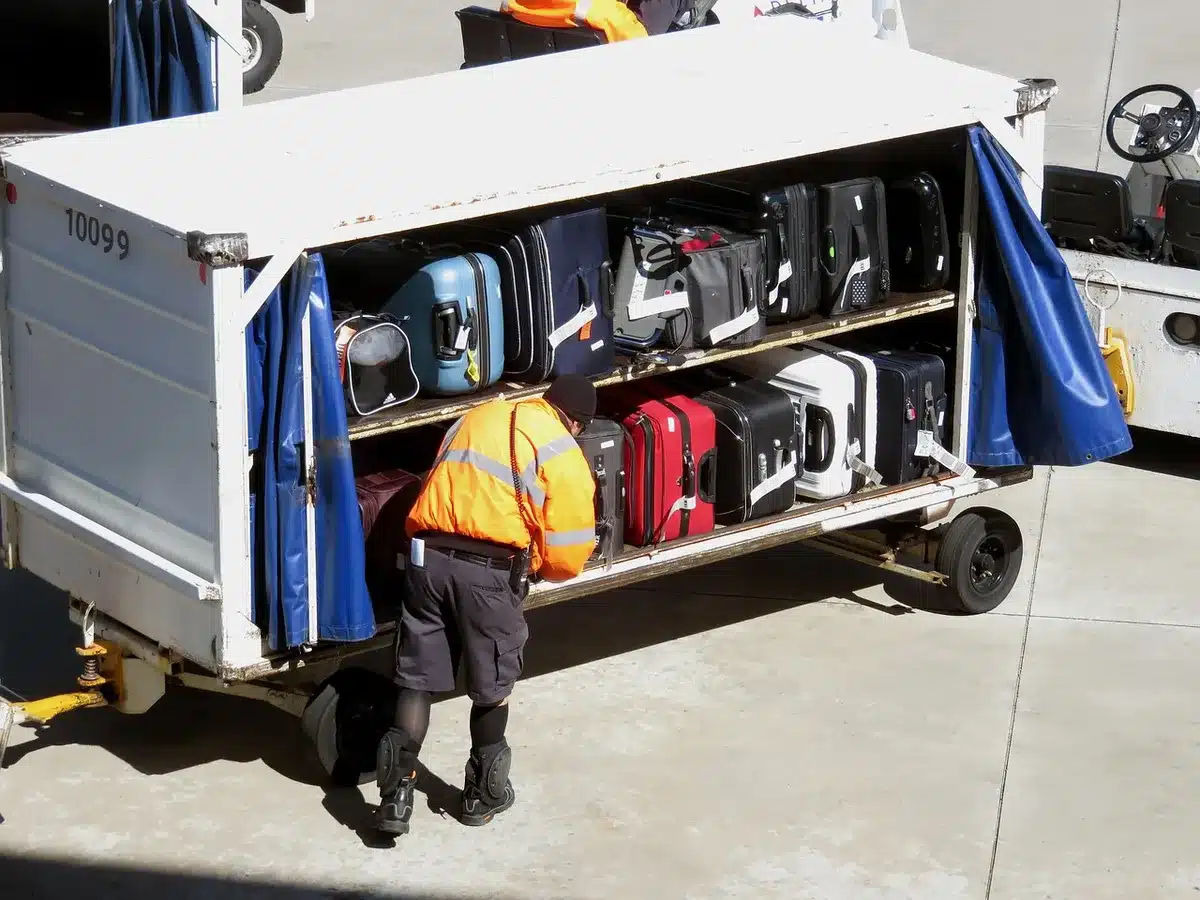
Viral video shows 81-year-old delivery worker struggling with heavy luggage
The discrepancy matters because taking that many long-range shots steers him away from the area where he is most devastating: within a few feet of the rim. That’s where his length and timing turn him into an elite interior presence — and where he needs protection and physical space to operate efficiently.
Why the Spurs’ current lineup creates risk
San Antonio’s rotations often leave Wembanyama exposed to heavy physical contact on both ends. He can alter shots and dominate rebounds, but he isn’t built like a low-post, contact-loving center. Long minutes spent chasing shooters on the perimeter or absorbing repeated hits in traffic increase fatigue and injury risk — and that reduces availability over a long season and postseason.
At the NBA level, energy is finite: the more minutes and physical toll a star absorbs on defense, the fewer fresh legs he has for late-game offense. That’s a practical limit, not a theoretical one.
What teams have done instead
Other franchises with lanky, fragile bigs have deliberately paired them with heavier, more physical teammates. When Chet Holmgren arrived in the league, his team surrounded him with a sturdier center who could handle contact and clear driving lanes. That kind of complementary role — a player whose job is partly to absorb aggression and partly to set screens — has become a deliberate roster choice across the league.
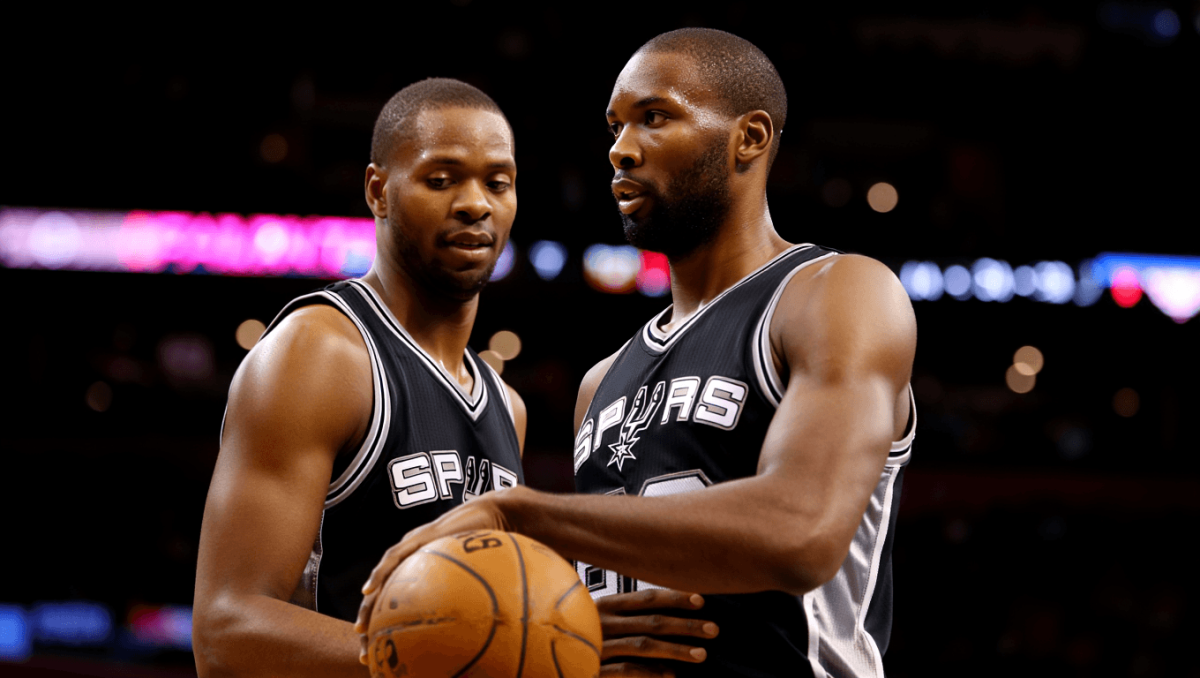
Wembanyama’s teammates include capable defenders and mobile bigs, but none consistently serve as a dedicated physical foil who can both open space inside and protect him on the boards.
How a “protective” teammate helps
- Create space — Set hard screens and occupy interior defenders so Wembanyama can operate closer to the rim.
- Absorb contact — Take the physical toll of screens, boxouts and collisions that would otherwise land on Wembanyama.
- Defensive switching — Match up against physical frontcourt opponents, allowing Wembanyama to stay fresh for rim protection.
- Floor balance — Spot up or roll, stretching defenses enough that drives don’t collapse directly onto Wembanyama.
Those functions don’t require a high-volume scorer; they demand toughness, positional awareness and willingness to do the dirty work.
Potential fits and tradeoffs
There are different ways to solve this problem, each with costs. A veteran enforcer-type who sets hard screens and hounds opposing forwards could be acquired via trade at the expense of young talent or draft capital. Alternatively, the Spurs could sign a physical free agent — but the market for that specific role is thin and often expensive.
Hypothetical examples range from switchy defenders who still space the floor to bruisers whose offensive output is modest but whose presence changes how opponents attack the paint. Any acquisition would force a philosophical choice: preserve youth and development, or prioritize immediate support around Wembanyama.
Short-term fixes, long-term stakes
In the short run, smarter lineups and delegated defensive responsibilities can reduce Wembanyama’s exposure. Coaching adjustments — limiting back-to-back heavy minutes or using situational substitutions to protect him at the rim — will help. Over the long run, however, sustained championship contention requires a roster built around what he needs most: teammates who can take and give physicality without costing the team offensive balance.
Failing to address that need risks both diminished playoff runs and potential injury. When a unique talent must play through repeated contact and role imbalance, the margin for error narrows quickly.
Victor Wembanyama is already changing conversations about positional boundaries and shot selection in the modern NBA. To move from generational talent to championship centerpiece, he needs a supporting cast that accepts the less glamorous but essential work of clearing lanes and shielding him from needless punishment. That is as much a roster construction challenge as it is a coaching one — and it will shape the Spurs’ decisions this offseason.