Show summary Hide summary
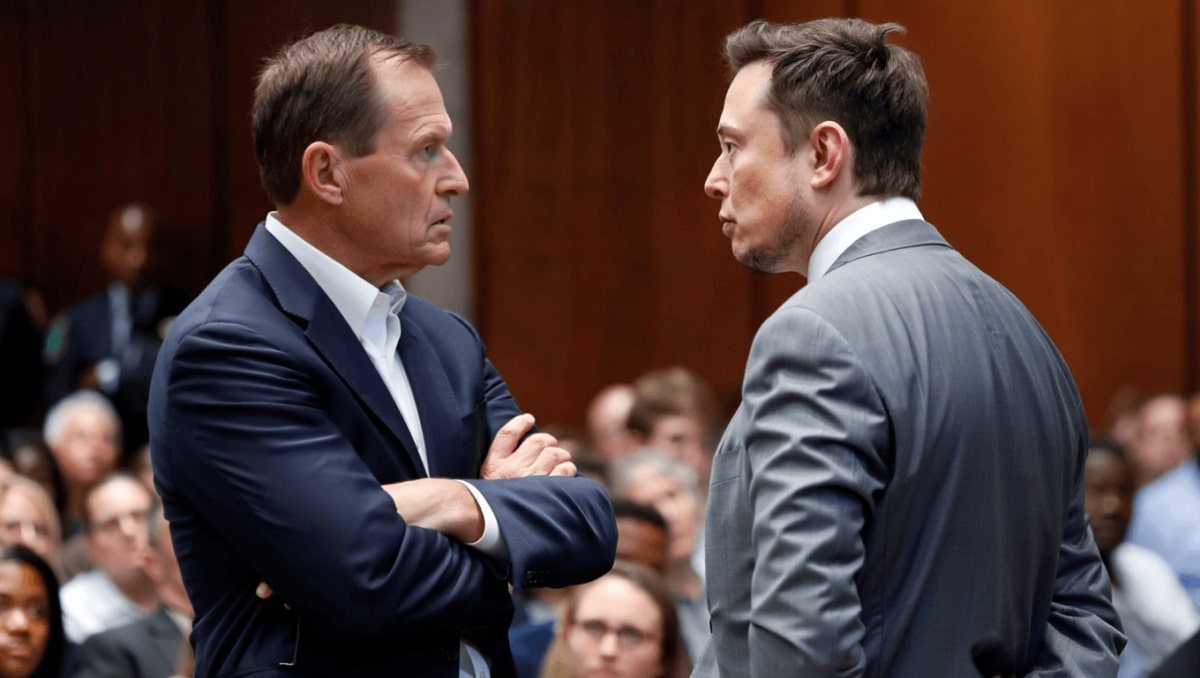
A courtroom confrontation between two of Silicon Valley’s most prominent figures has consequences that reach far beyond their personal fortunes. As a legal contest unfolds between Elon Musk and Sam Altman, the stakes for OpenAI—and for the wider AI sector—could be profound.
Why this case resonates now
At stake is more than a single lawsuit: it is credibility, control and momentum in an industry racing to define rules and products for the next decade. For executives, investors and the public, the outcome will shape who is trusted to steer advanced AI development and what limits courts and regulators might impose.
Michael Page dropped from UFC rankings despite victory: what it means for his career
Viral video shows 81-year-old delivery worker struggling with heavy luggage
The immediate risks for Sam Altman are both practical and reputational. He leads an organization whose influence depends on sustained access to capital, partners and talent. Legal uncertainty can slow hiring, complicate contracts with major backers, and invite intensified regulatory attention—each of which would affect OpenAI’s ability to move quickly in a competitive market.
That pressure is not only internal. OpenAI’s commercial relationships and research collaborations are sensitive to governance questions. Partners, notably large cloud providers and enterprise customers, watch legal and governance outcomes closely before expanding infrastructure commitments or integrating new models into mission-critical systems.
What’s on the line for OpenAI and the sector
Even a relatively narrow legal loss or protracted litigation could ripple outward:
- Board and governance: Challenges to leadership can prompt board changes, shifts in strategy, or tightened oversight that slow decision-making.
- Funding and valuation: Uncertainty often depresses valuations and makes future fundraising more costly or conditional.
- Talent retention: High-profile disputes make it harder to recruit senior researchers and engineers who are sought after by rivals.
- Regulatory scrutiny: Legal battles attract regulator attention and could accelerate calls for restrictions or compliance obligations.
- Competitive position: Rivals may exploit any disruption to gain market share or talent.
For Elon Musk, the benefits of pursuing legal action may include signaling strength and exerting pressure on a major competitor, but courts rarely resolve industry debates about strategy or safety in ways that satisfy all sides. The broader consequence is that litigation can harden positions and slow collaboration across companies that would otherwise cooperate on safety standards and technical guardrails.
Observers should also note the potential policy implications. High-profile courtroom encounters between industry leaders can prompt lawmakers to act, sometimes quickly: Congress and global regulators are increasingly sensitive to stories that frame AI as a governance problem requiring oversight. A public trial could accelerate rulemaking or influence ongoing legislative discussions.
Near-term scenarios to watch
Much depends on the specifics of claims, the speed of litigation and whether the parties pursue settlement. Several plausible outcomes would carry different implications:
- Quick settlement: Limits immediate disruption but may leave questions unresolved and encourage future disputes.
- Protracted trial: Keeps focus on governance and could damage market confidence over months or years.
- Clear legal ruling: Sets precedent that affects how tech leaders are held accountable and how companies structure boards and partnerships.
Whatever unfolds, the case will be closely watched by investors, customers and regulators. The presiding issue is simple: who can credibly be trusted to run and regulate powerful AI systems? The answer will shape business alliances, public perception and the pace of innovation.
In short, while both men have reputations and resources on the line, Sam Altman’s position as the figurehead of a dominant AI lab means the consequences of any adverse legal outcome fall particularly hard on OpenAI—its people, partners and projects—and, by extension, on the trajectory of the AI industry itself.