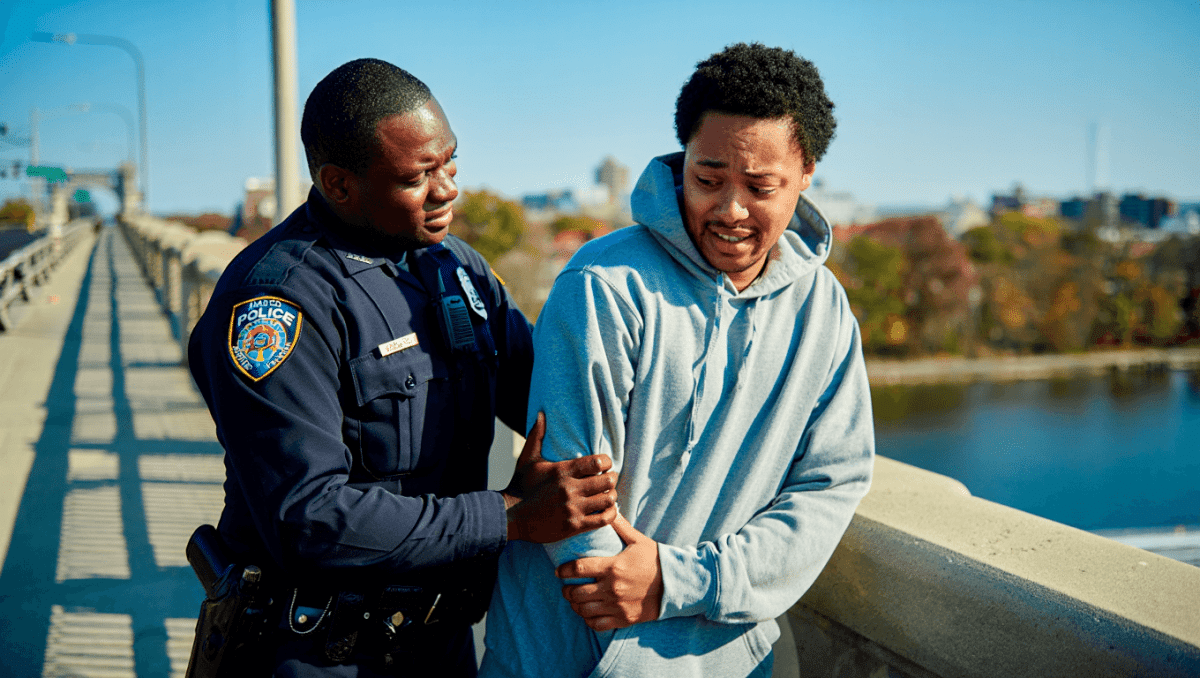
A Jacksonville police officer’s calm intervention on a bridge in April stopped a potential suicide and has sparked conversation about the role of faith, training and human connection in crisis response. The episode, captured on body-camera video, highlights how one sustained conversation and an appeal to shared responsibility helped a man step away from a dangerous decision.
Trigger warning: This story discusses suicide. If you or someone you know is in crisis, contact the Suicide & Crisis Lifeline by calling or texting 988 or call 1-800-273-8255 for immediate help.
On April 12, patrol officers responded to reports of a man standing on the edge of the Dames Point Bridge in Jacksonville. Body-worn camera footage shows Officer Antonio Richardson engaging the individual for roughly 40 minutes while additional officers secured the scene.
Michael Page dropped from UFC rankings despite victory: what it means for his career
Viral video shows 81-year-old delivery worker struggling with heavy luggage
Rather than issuing orders, Richardson kept the exchange conversational and persistent. He spoke about the man’s pain, appealed to the harm that a death would cause to others, and repeatedly invited the man to accept a simple gesture of connection—ultimately guiding him away from the railing and into a hug with officers who then took over.
Richardson later described the encounter as rooted in his faith and decades of ministry work. After the man was safe, the officer left his patrol vehicle visibly moved. His response and background have attracted attention both for the role of spirituality and for the human-centered tactics he used on scene.
- What happened: A single officer maintained continuous, calm contact while colleagues contained the scene.
- Duration: About 40 minutes of dialogue before the man moved away from the edge.
- Approach: Non-confrontational conversation, appeal to connection and consequences, and a faith-based offer of prayer.
- Outcome: The man stepped away from the railing and was brought to safety; no further details about his condition were released.
Local faith leaders who viewed the footage urged people to take interpersonal risks when someone is hurting—crossing the metaphorical road rather than staying on the sidelines. They framed the episode as an example of how community, deliberate outreach and compassion can interrupt a crisis.
Mental-health advocates and some policing experts note two practical takeaways from the incident. First, officers who combine de-escalation techniques with active listening can create openings for safety. Second, quick access to trained crisis counselors and follow-up care remains critical after an immediate danger is averted.
Resources and steps to take if you encounter someone in crisis:
- Call or text 988 for immediate connection to the Suicide & Crisis Lifeline.
- Keep the person engaged: use open, nonjudgmental questions and avoid minimizing their feelings.
- Prioritize safety: if there is imminent danger, call emergency services and give clear information about the location.
- Follow up: once the immediate crisis is over, help connect the person to ongoing mental-health support or local community resources.
What this episode means now: as communities and police departments reassess crisis response, real-world examples like the Dames Point incident reinforce the value of human connection—whether that connection is secular, faith-based or a mix of both. The case does not resolve broader policy questions about training and mental-health systems, but it does show that patient, persistent outreach on the scene can save a life.
Officials have not released further personal details about the man involved. For anyone touched by this story, remember the immediate lifeline: 988 or 1-800-273-8255 provides confidential support 24/7.