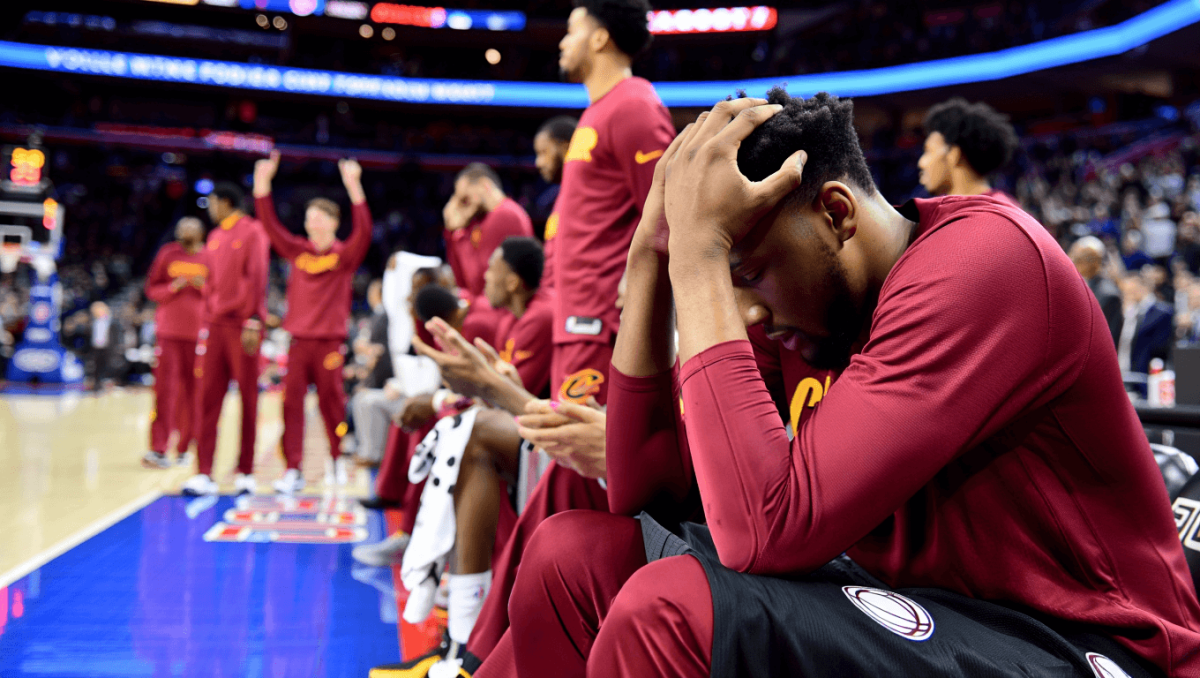
The Detroit Pistons pushed their playoff advantage to 2-0 with a 107-97 victory in Cleveland, exposing several flaws in the Cavaliers’ approach that could decide this series and ripple into the offseason. With key shots missing and a veteran perimeter figure nowhere close to his expected impact, the Cavs face urgent tactical choices before the teams meet again.
Detroit’s win hinged on timely offense from Cade Cunningham and a staunch perimeter performance that forced Cleveland out of its preferred rhythm. The Pistons out-shot the Cavs from deep, and their defensive activity repeatedly disrupted Cleveland’s early plans to attack downhill.
Donovan Mitchell produced a solid box score but failed to find consistency from three-point range, limiting Cleveland’s spacing. The more consequential problem was James Harden, whose offensive timing and decision-making never materialized in Game 2. Harden finished 3-for-13 from the field and committed several turnovers at critical moments; one late-clock sequence in the fourth quarter — dribbling out the clock only to lose the ball — encapsulated the wider issues.
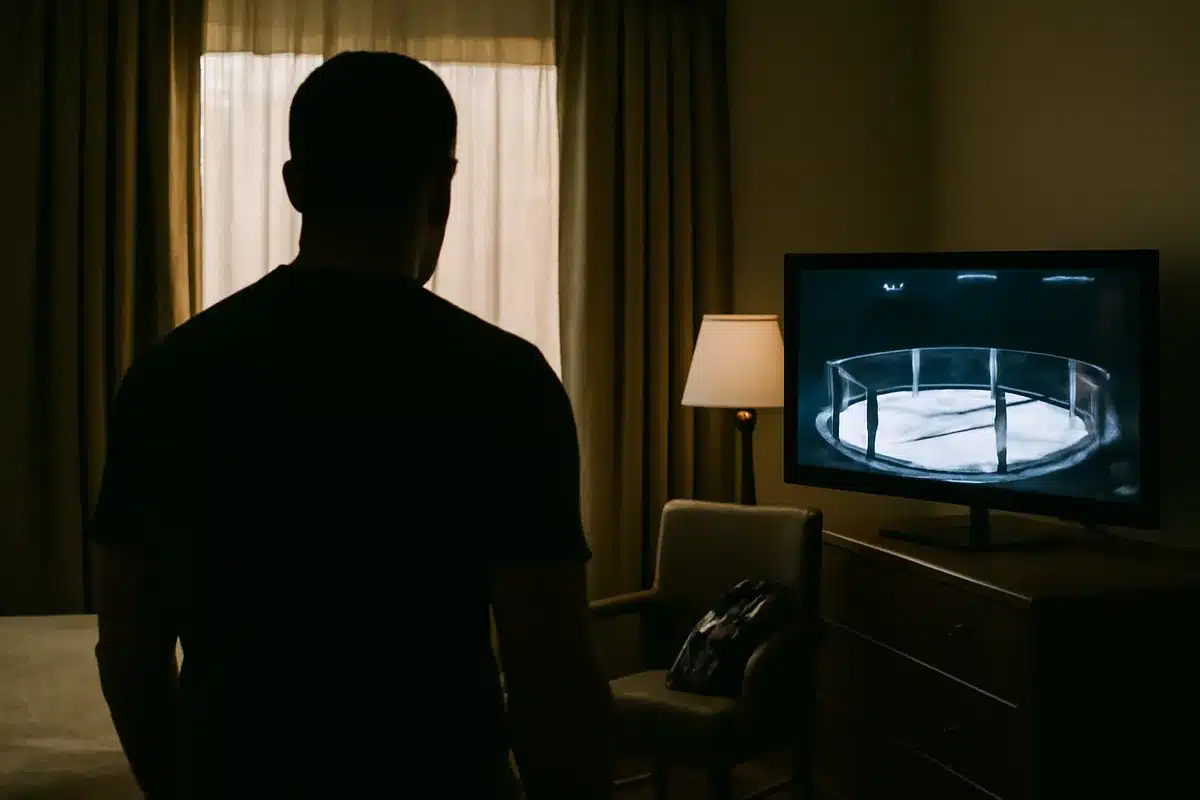
Michael Page dropped from UFC rankings despite victory: what it means for his career
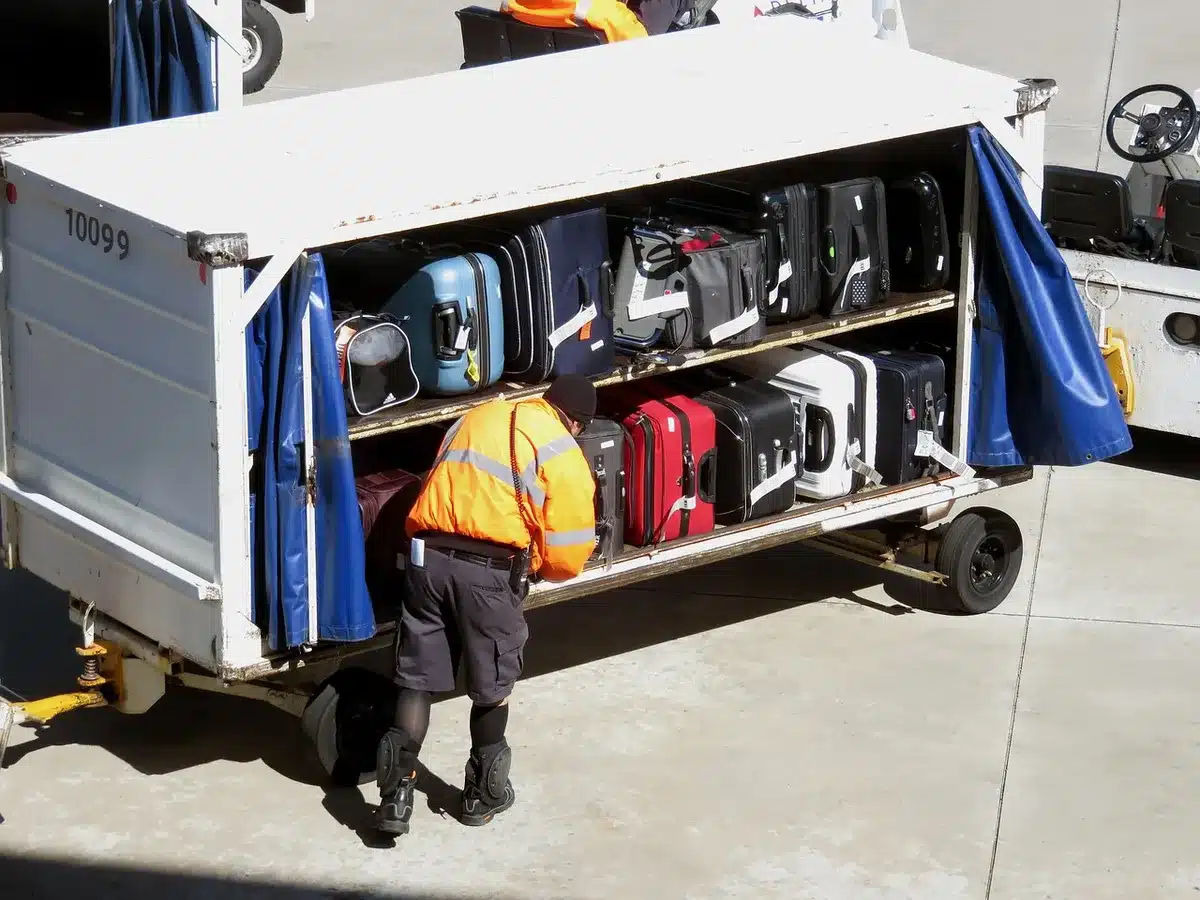
Viral video shows 81-year-old delivery worker struggling with heavy luggage
The Cavaliers’ offensive pattern became painfully predictable: stretches of isolation and late-clock initiations rather than continuous ball movement. That bottleneck makes it easier for an aggressive defense to funnel play into contested looks and avoid scramble rotations. Cleveland shot just 7-for-32 from three, while Detroit converted an efficient 14-for-28, a margin that largely determined the final score.
Coaching questions are emerging as well. Cleveland’s game plan repeatedly allowed open perimeter attempts for Detroit after defensive help was sent toward Cunningham; those choices enabled easy catch-and-shoot triples and gave the Pistons momentum. Whether adjustments come in scheme or personnel, the Cavaliers must change how they defend the wings and whether they trust Harden as a primary initiator.
Bench lineup options are in play. Some observers suggest deploying Harden in a more off-ball, catch-and-shoot capacity or shifting minutes to younger rotation pieces to inject energy and defensive activity. If the current configuration persists, the series could tilt quickly; if Cleveland can restore spacing and attack the rim with more conviction, the matchup remains salvageable.
- Immediate tactical fixes: drive more to the basket, move the ball earlier in the shot clock, and stop conceding open threes by overhelping.
- Personnel decisions: reconsider Harden’s role in play initiation and evaluate bench options that offer greater defensive intensity.
- Shooting reality: unless perimeter efficiency improves dramatically, the Cavs’ margin for error will remain razor-thin.
Why this matters now: a 2-0 deficit on the road changes playoff math and forces Cleveland into short-term problem-solving that could influence long-term roster planning. If the Cavs cannot fix spacing and shot generation, this series may expose deeper construction issues that the front office will have to address in the offseason.
For Detroit, the victory is validation that a young, aggressive defense combined with effective shooting can challenge the Cavs’ stylistic strengths. For Cleveland, the series has become a test of whether coaching adjustments and lineup changes can reverse the trend before the Pistons return to their home floor.
Whatever happens next, Game 3 will be defining: a chance for Cleveland to tamp down the momentum and for Detroit to prove this is not a short-lived surge. The immediate tactical choices — more driving, earlier ball movement, cleaner rotations — are simple to name; executing them is the hard part.