Show summary Hide summary
Longevity doesn’t have to mean expensive therapies or exotic supplements — at least not according to Dr. Michael Hall, a Miami Beach physician whose new book argues that simple, everyday habits account for most of the gains in a longer, healthier life. His “10 commandments of longevity,” drawn from nearly 20 years of clinical work and observations of healthy communities worldwide, offer practical steps anyone can start today.
Hall’s message is timely: as interest in anti-aging science surges, so does the urge to buy quick fixes. He cautions that the foundations of durable wellbeing are low-tech and widely accessible, and recent studies back several of his recommendations.
What the doctor recommends — in brief
Ken Lewellen for Kankakee County Board: outlines top priorities for District 14
Paddy Pimblett, Ilia Topuria spark bid to revive Ultimate Fighter
- Guard your attention: Limit negative or fear-driven media and be intentional about what you consume mentally.
- Honor sleep: Aim for consistent, restorative sleep — research links about six to eight hours with better long-term health.
- Move daily: Regular physical activity, even simple walking and squatting, preserves function.
- Preserve strength: Maintain muscle through resistance or load-bearing activity to reduce frailty and falls.
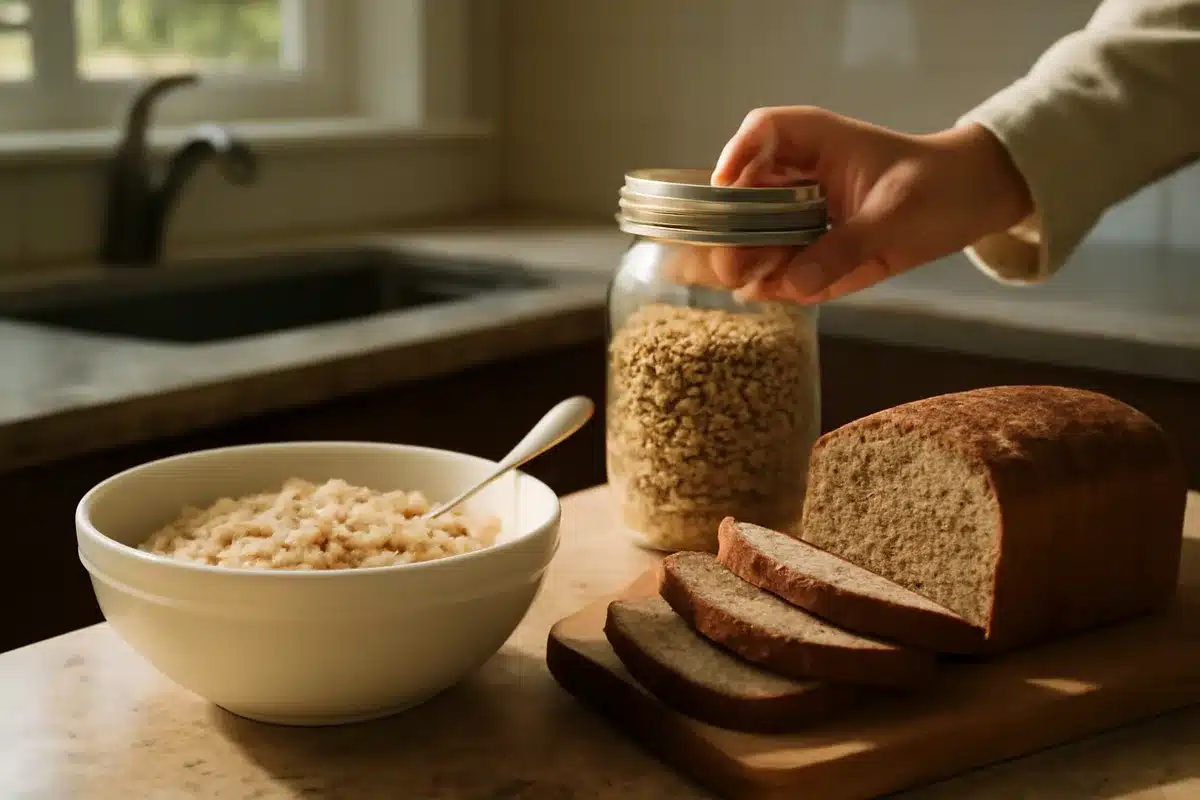
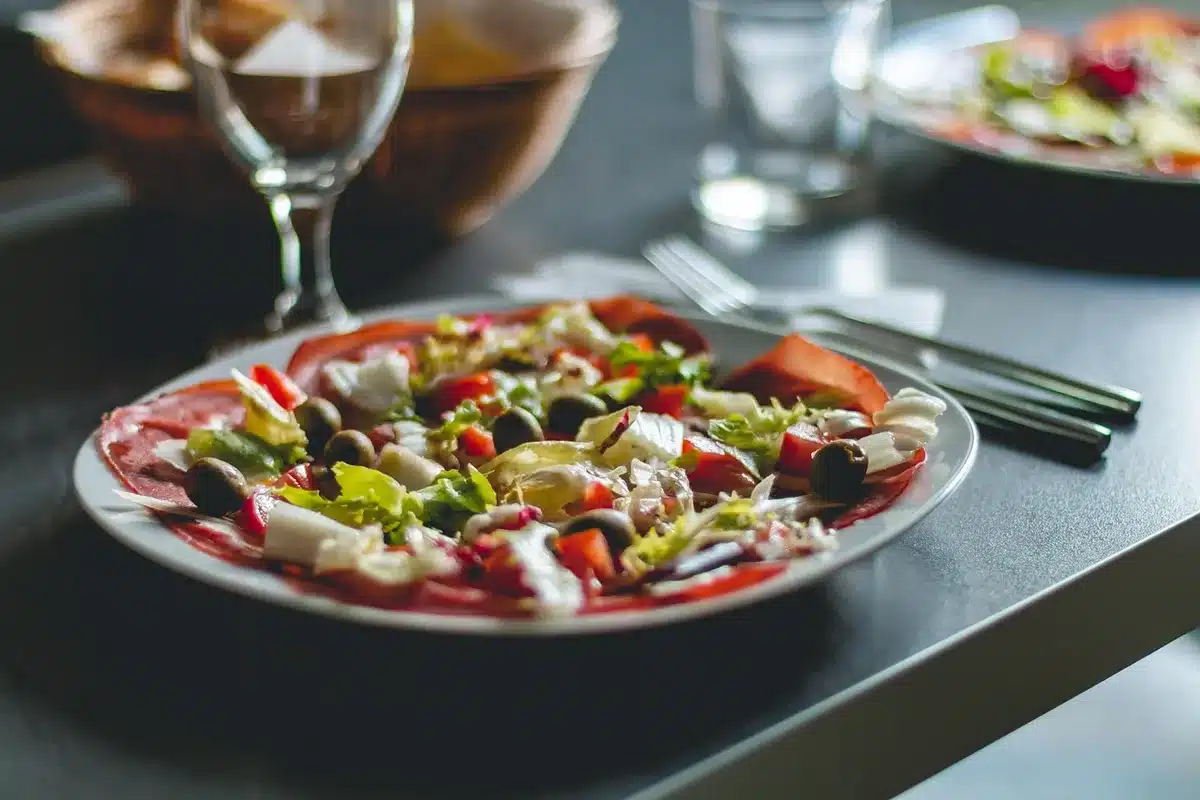
- Eat real food: Favor minimally processed meals, watch portions and keep preparation simple.
- Embrace purpose: A sense of mission or service supports emotional resilience and meaning.
- Cultivate relationships: Social connection is strongly tied to survival and wellbeing.
- Welcome challenge: Cognitive and physical challenges appear to lower long-term risk for decline.
- Remain curious: Lifelong learning and new experiences help people stay engaged as they age.
- Keep the funnel wide: Preserve overall physiological reserve so the body can tolerate stressors longer.
Why these basics matter now
The practical appeal is obvious: these habits are free or low-cost, scalable, and avoid the uncertainty of emerging therapies. Hall argues that protecting where you place your attention — what you read, watch and discuss — shapes choices that ripple into diet, movement and stress levels. In an era of nonstop digital stimulation, that matters for both mental and physical health.
Sleep sits near the top of his list. A 2026 cohort study linked roughly six to eight hours of sleep each night with healthier aging and lower risks of premature mortality. Hall warns that artificial light and late-night screen use blunt the body’s natural circadian cues, undermining recovery and cognitive function.
Movement and strength: distinct but linked
“Movement is life,” Hall says, pointing to examples he’s seen from active older adults around the world. Recent research through 2026 indicates that people who remain highly active can preserve aerobic fitness well into later decades.
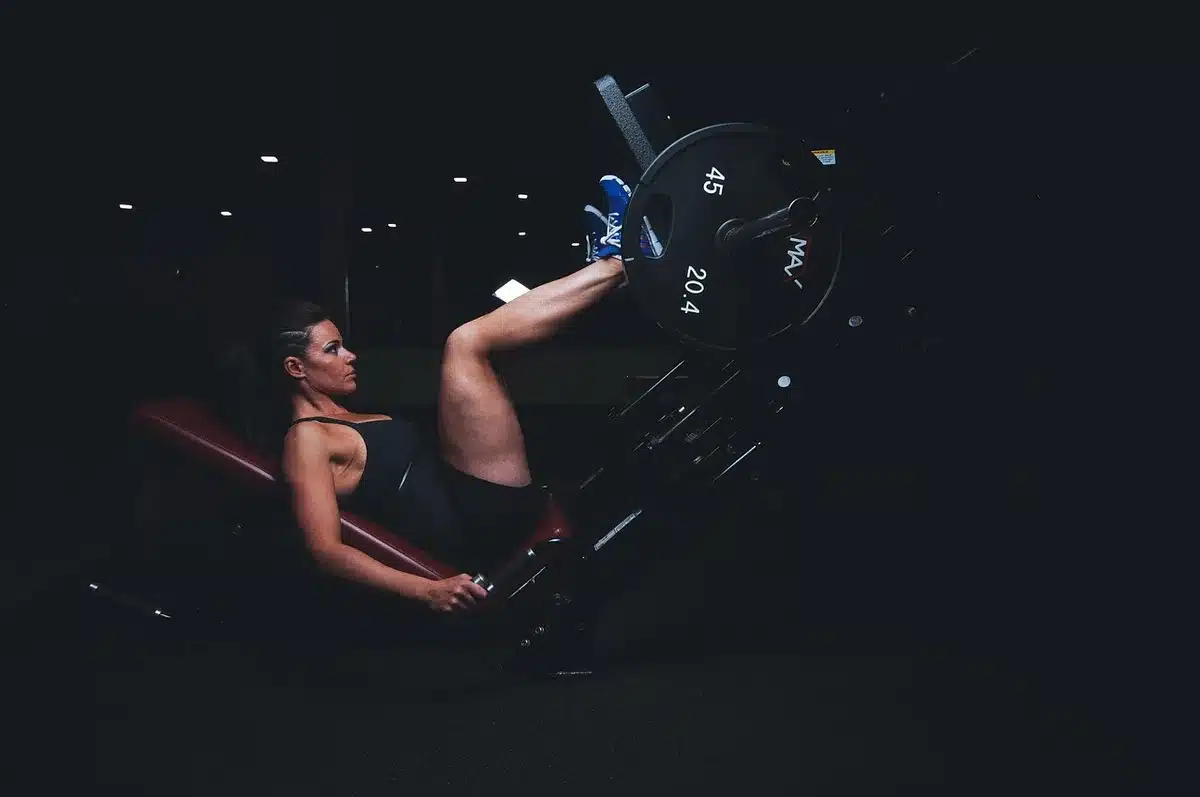
He separates everyday movement from structured strength work. Walking and squatting engage large muscle groups and help maintain mobility; resistance exercises preserve muscle mass, bone density and posture — all key defenses against frailty and falls.
Food, purpose and social ties
Nutrition advice from Hall is intentionally modest: prioritize whole foods, cook when possible, and practice portion awareness. The emphasis is on consistent quality rather than rigid restriction.
Beyond physical inputs, Hall highlights psychological and social drivers of longevity. Purposeful activity — whether volunteering, work or caring for others — gives people a reason to get up each day. Social connection, he says, is not optional: data published in PLOS One in 2026 found loneliness predicted higher mortality over one, three and five years.
Cognitive engagement and staying open
Engagement matters both mentally and socially. A 2025 study tracking more than 10,000 older adults with cognitive impairment found that involvement in stimulating activities correlated with reduced mortality risk. Hall frames challenge and curiosity as lubricants for a vital life: learning new skills, traveling or taking up hobbies keeps people involved with their communities and themselves.
He sums this approach with the image of the body’s “funnel” — the idea that physiological reserves narrow with age, and the goal is to keep that funnel as wide as possible for as long as possible through broad-based, sustainable habits.
Practical takeaways you can try this week
- Set a regular bedtime and reduce screen exposure an hour before sleep.
- Build short movement breaks into your day — aim for walking and a few bodyweight squats.
- Schedule two resistance sessions per week (bands, weights or bodyweight).
- Swap one processed meal for a simple, fresh alternative and watch your portions.
- Reach out to a friend or join a group that matches an interest or hobby.
Hall stresses that his goal is not merely to extend lifespan but to increase healthspan — adding years that are active, connected and meaningful. For readers, that means the most effective tools for aging better are often already within reach: better sleep, regular movement, good food and stronger social ties.
Those steps won’t stop every biological clock, Hall acknowledges, but they shift the odds toward more years lived with function and purpose — a practical blueprint for aging well without a big price tag.