Show summary Hide summary
A short video circulating online this week captured an 81-year-old man lugging multiple heavy suitcases across a crowded transport hub, drawing sharp public attention and sparking debate about safety and labor practices. The footage—shared widely across social platforms—has become a flashpoint for conversations about how older adults are employed and protected in physically demanding roles.
The footage and reactions
The clip shows the man pushing and pulling several large bags along a paved concourse, stopping frequently to rest and steady his load. Bystanders filmed the scene on their phones; the footage was reposted with captions that ranged from admiration to alarm.
Michael Page dropped from UFC rankings despite victory: what it means for his career
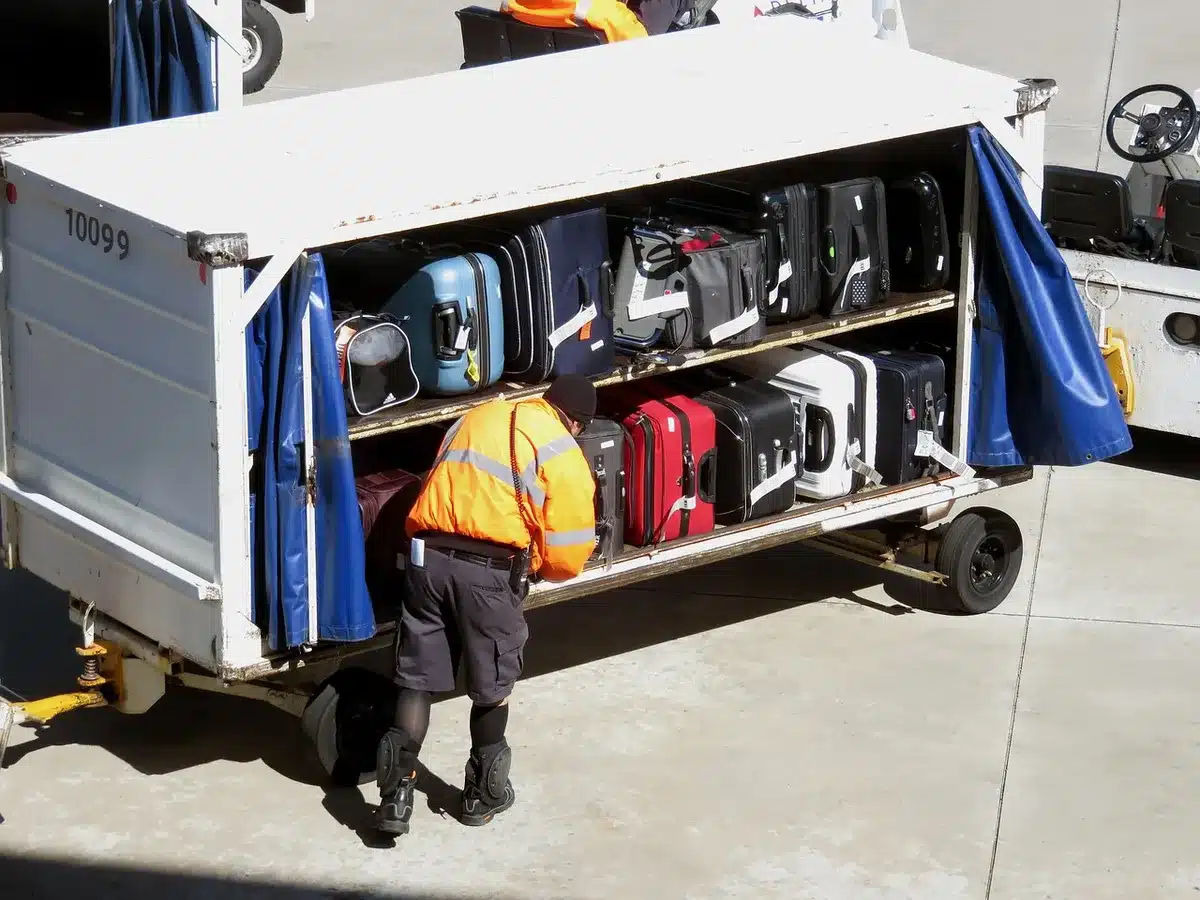
Viral video shows 81-year-old delivery worker struggling with heavy luggage

On social media, users have expressed a mix of sympathy and outrage. Some praised the man’s determination, while others questioned why someone of advanced age was performing such strenuous work in a public-facing role.
Why this matters now
This incident matters beyond a single viral moment because it highlights ongoing issues affecting airports, transit hubs and other service industries: an aging workforce, labor shortages in certain operational roles, and the physical demands placed on staff. For travelers and communities, the episode raises immediate questions about safety standards and oversight.

- Public safety: Heavy or awkward luggage handled by elderly or otherwise vulnerable workers can increase risk of injury to both workers and passengers.
- Workforce gaps: Short-staffing in ground handling and transit services has pushed some employers toward unconventional staffing solutions.
- Regulatory oversight: Observers are asking whether existing health and safety policies are enforced consistently in busy transport settings.
- Social response: Viral attention can prompt quick operational reviews but also risks reducing complex labor issues to viral outrage.
Not every viral clip leads to policy change. Still, the visual immediacy of this footage makes the underlying concerns harder to ignore—and more likely to elicit rapid responses from companies and regulators aiming to manage reputational risk.
What officials and employers are likely to do next
When videos like this spread, typical next steps include internal reviews, safety audits and requests for statements from the employer involved. Companies often emphasize compliance with workplace protections, while labor advocates press for clearer limits on physically demanding duties for older workers.
At the same time, advocates caution that reactions should balance concern for the individual’s well-being with attention to systemic causes such as staffing shortages and outsourcing of labor-intensive tasks.
The episode is a reminder that short clips can illuminate everyday workplace realities—and that public scrutiny can be a catalyst for change. Whether this footage prompts concrete policy adjustments remains to be seen, but it has already reopened a broader conversation about how society supports older workers in physically demanding roles.