Show summary Hide summary
Paddy Pimblett’s pitch to coach a season of The Ultimate Fighter opposite Ilia Topuria has renewed debate about the show’s future—and why that matters now. With both men already proven draws, pairing them could give the series a clear purpose in an era when fans can follow fighters nonstop on social media.
Once a breakout pipeline for unknown talent, The Ultimate Fighter has struggled to justify its place in the UFC schedule. The program’s original power came from introducing viewers to new personalities and then turning those stories into must-see fights. Today, the UFC releases an avalanche of clips, livestreams and behind-the-scenes footage, leaving the show to compete with the very content it used to provide.
Why the Pimblett–Topuria idea lands
Paddy Pimblett and Ilia Topuria are not unknowns who need an introduction. Each commands attention on fight night and across social platforms. That familiarity changes what a TUF season could deliver: a narrative built around an existing feud and a fight fans already care about, rather than a manufactured rivalry assembled from scratch.
Ken Lewellen for Kankakee County Board: outlines top priorities for District 14
Paddy Pimblett, Ilia Topuria spark bid to revive Ultimate Fighter
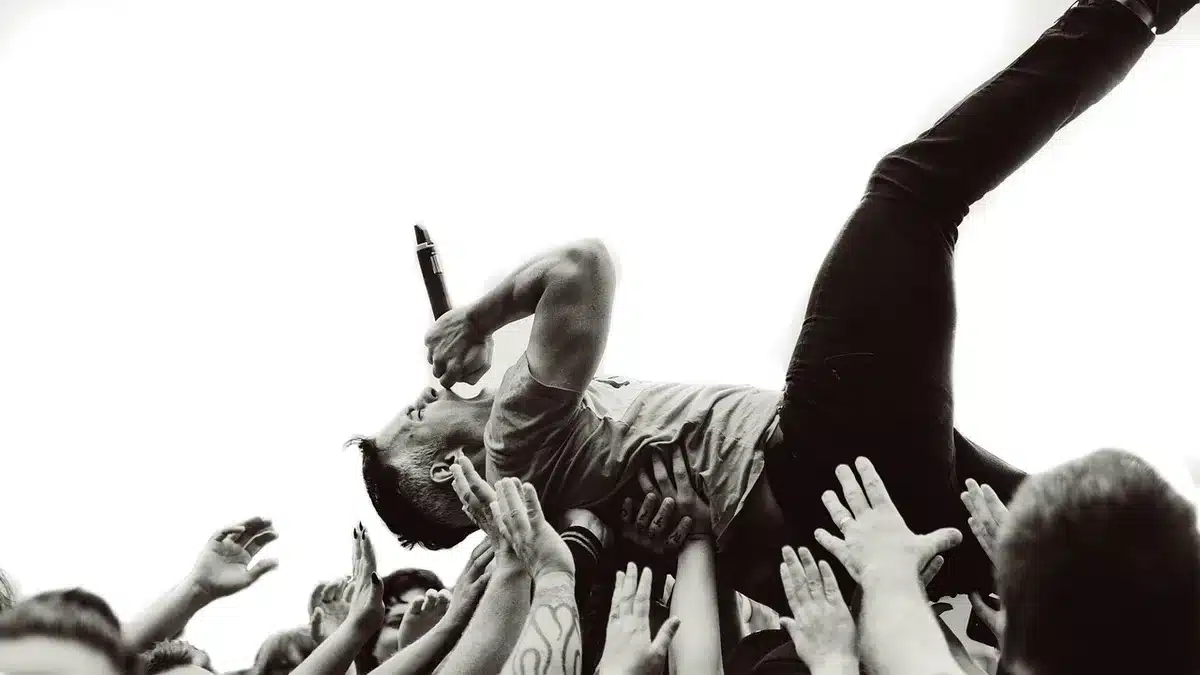
A season with two established stars can do three practical things immediately: it provides a pre-sold headline bout, supplies rich source material for short-form clips, and gives producers a storyline that attracts viewers before the first episode airs. In other words, it cuts through the noise instead of adding to it.
How a modern TUF could work
The show should stop trying to be a time capsule of the 2000s and instead become a deliberate content engine for the digital era. That means making the season the raw material for daily social output while preserving longer-form narrative for viewers who want context.

- Extended backstage access: Release longer training sessions and coach interactions to subscribers or on scheduled streams, not just 20-second clips.
- Short-form distribution: Edit highlight packages for TikTok, Instagram and YouTube Shorts to reach casual viewers and funnel them to full episodes.
- Authentic conflict, not manufactured drama: Center the season on real friction and competitive stakes, avoiding contrived storylines that audiences reject.
- Multi-platform premieres: Stagger exclusive content across platforms to keep engagement steady through the build to the finale.
- Clear payoff: End the season with a fight fans already want—reducing the promotional lift needed to sell the main event.
Done well, that approach treats TUF as a source of verifiable moments rather than an isolated show. Each episode becomes a newsroom for social clips, quotes and hooks that can be republished across the UFC’s channels.
Potential pitfalls and what to watch for
There are real risks. Turning the house into a perpetual content factory could hollow out the narrative: if every interaction is filmed for virality, authenticity can suffer. Coaches’ schedules, fighter injuries and contractual issues also complicate staging a season around two active stars.
Moreover, fan fatigue is a concern. Audiences are already inundated; the experiment succeeds only if episodes add context that short clips cannot provide. If the season becomes merely a string of recycled highlights, interest will wane quickly.
Still, the strategic upside is clear: a TUF built around two marketable coaches and a built-in finale reduces uncertainty for promoters and gives viewers a reason to tune in weekly rather than catching isolated clips.
That’s the core challenge and opportunity for The Ultimate Fighter today—redefining its role within a saturated content landscape. It no longer needs to be a launchpad for unknowns; it needs to be a narrative amplifier for fights people already care about. A Pimblett–Topuria season is not a guaranteed fix, but it is a practical blueprint for making the show relevant again.