Show summary Hide summary
When an elderly couple in Texas confronted back-to-back cancer diagnoses this spring, the crisis quickly moved beyond hospital rooms and medical bills — it became a neighborhood effort. The sudden outpouring of help from neighbors, faith groups and strangers has eased daily burdens and highlighted how local networks can reshape care for seniors facing serious illness.
Neighbors close ranks
Within days of the couple’s diagnosis, people in the block and beyond coordinated shifts, meals and rides to appointments. Volunteers organized a schedule so that neither partner missed treatments, and informal check-ins kept the family updated on immediate needs.
Housing help in Kankakee: 360 Life Center runs community resource fair
Ryan Day at Ohio State: his results force a rethink of his coaching legacy

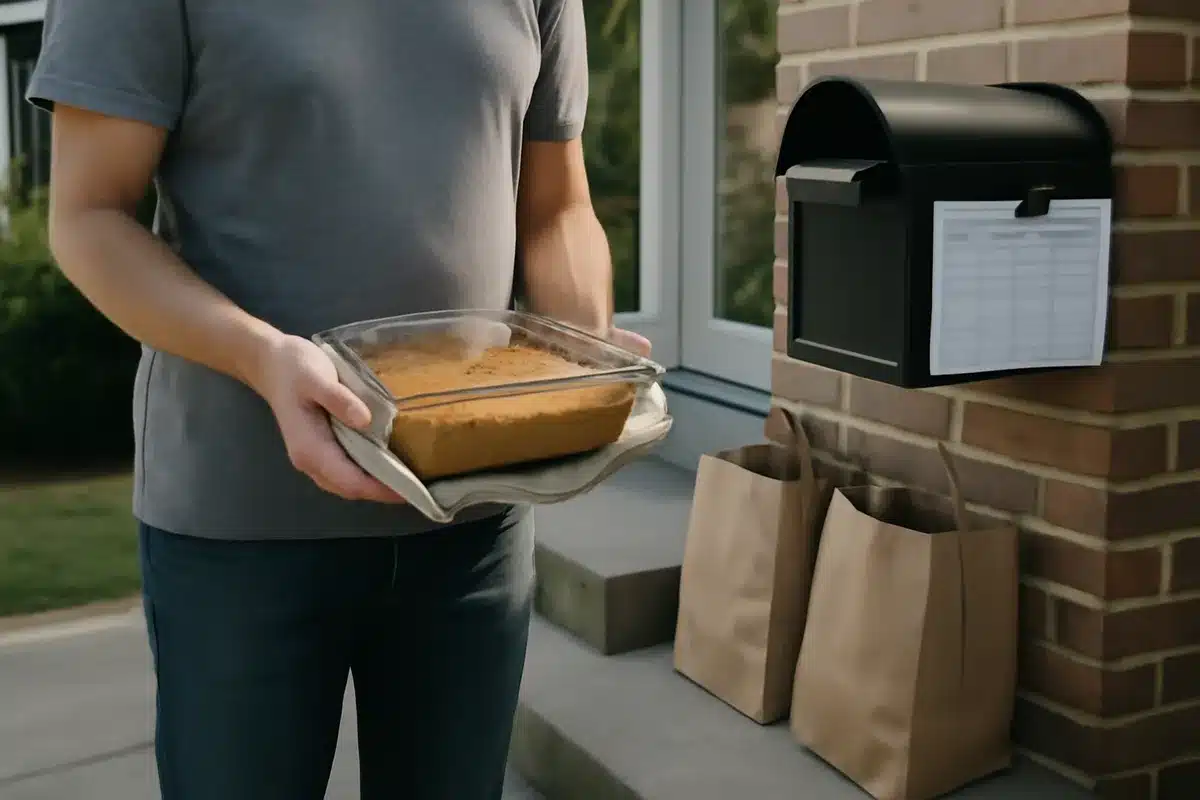
Local volunteers also used social media to amplify requests, turning small acts — a delivered casserole, a shared grocery run — into sustained support. Several nearby businesses donated gift cards and time, and a weekend benefit drew a steady crowd from surrounding neighborhoods.
- Transport and appointments: Volunteers provided rides to chemotherapy and follow-up visits.
- Everyday needs: Meal trains, grocery deliveries and lawn care reduced practical pressure on the couple and their caregivers.
- Fundraising: Community fundraisers and online donations helped cover medical co-pays and travel expenses.
- Emotional support: Regular visits, phone check-ins and faith-based groups offered companionship and relief from isolation.
Why this matters now
The situation underscores persistent gaps in care for older adults with serious illness: even with health insurance, non-medical costs and logistical hurdles can overwhelm families. Community responses do not replace formal services, but they can be decisive in keeping people at home and connected.
Healthcare providers say ad-hoc neighborhood support can improve adherence to treatment and reduce missed appointments — outcomes that matter for both recovery and cost. For rural and suburban areas where formal home-care services are limited, grassroots help often becomes the primary safety net.
Practical ripple effects
For the couple involved, the help went beyond convenience: it preserved dignity and routine. The ability to stay in familiar surroundings, to receive visitors and to maintain small daily rituals eased stress in measurable ways according to family members and volunteers.

At the community level, the effort strengthened local ties. Neighbors who had never met now coordinate calendars and share resources; younger residents reported gaining skills in caregiving coordination while older volunteers found renewed purpose.
Experts note this model isn’t scalable without support. Sustainable community care often needs modest infrastructure: a volunteer coordinator, transparent communication channels, and simple funding mechanisms to help with larger bills.
Lessons and limits
There are clear takeaways for other communities. First, small gestures add up: regular meals and reliable rides reduce caregiver burnout. Second, public-facing coordination — a single contact person or a shared online calendar — transforms scattered goodwill into reliable help. Third, charitable efforts should be paired with information about local social services so families can pursue long-term solutions.
Still, reliance on neighbor networks can leave gaps, especially for families without strong local ties or for those needing specialized medical home care. Community generosity can bridge shortfalls, but it doesn’t substitute for policies and services that address systemic needs for seniors facing illness.
The Texas couple’s story is a reminder that local action can change outcomes quickly, but it also raises broader questions about how communities and systems can work together to support older adults through serious health challenges.