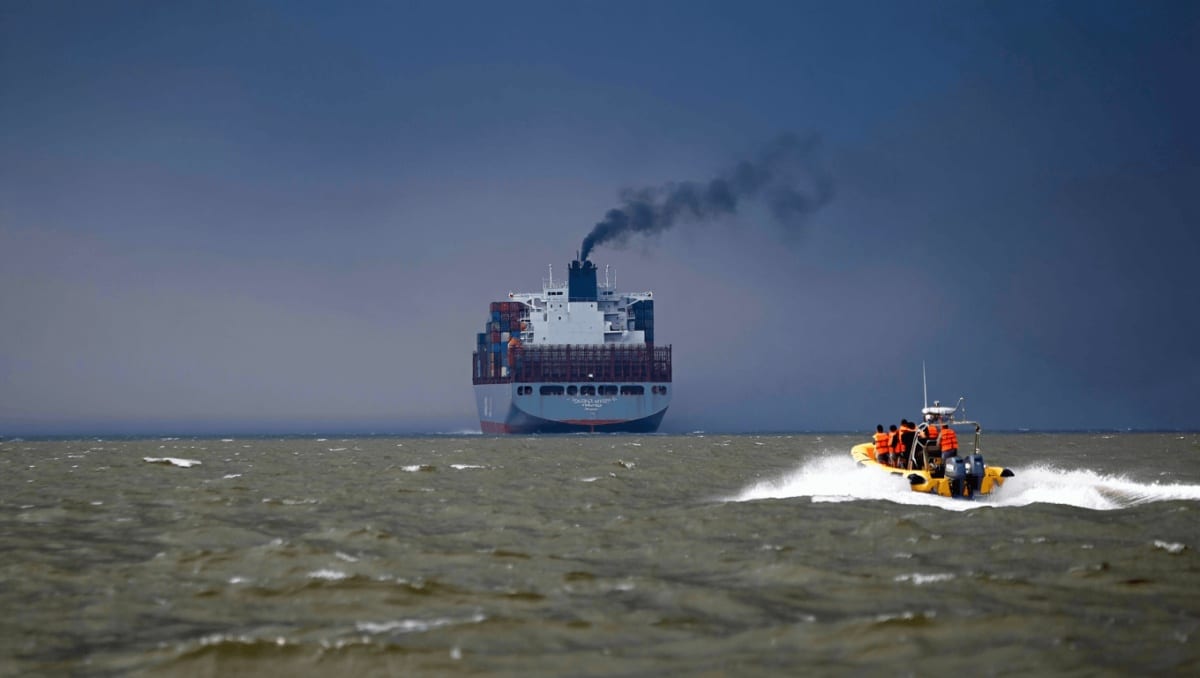
Tightening supplies of marine fuel are forcing shipping companies to adjust operations and pushing costs higher, as a recent escalation of hostilities involving Iran has disrupted trade routes and injected new uncertainty into bunkering markets. The squeeze on available bunker fuel threatens to ripple through global supply chains at a time when importers and carriers were already operating with thin margins.
Global bunkering hubs from Singapore to Fujairah have reported thinner-than-usual inventories and more volatile purchasing patterns as traders and shipowners scramble to secure cargoes. Disruptions in the Gulf and adjacent sea lanes have raised transport risks and insurance costs, prompting some vessels to divert, delay refuelling, or burn more expensive grades of fuel to maintain schedules.
Shipping companies face several practical pressures right now. Longer voyage times and detours increase fuel demand, while sanctions, port restrictions and intermittent attacks on tankers or cargo ships constrain the flow of heavy fuel oil and very low sulfur fuel oil. The result: spot prices for marine fuel have become more erratic, and smaller bunkering suppliers say they are operating with reduced buffers.
Michael Page dropped from UFC rankings despite victory: what it means for his career
Viral video shows 81-year-old delivery worker struggling with heavy luggage
How the industry is reacting
- Buying forward: Charterers and owners are placing earlier or larger bunker orders to lock in supplies and reduce exposure to sudden shortages.
- Route adjustments: Some ships are taking longer but safer paths to avoid conflict zones, which raises fuel consumption and voyage costs.
- Fuel switching and blending: Where technically feasible, vessels are switching between grades or blending fuels to stretch inventories.
- Operational changes: Operators are increasingly using slow steaming, voyage rescheduling and cargo consolidation to curb fuel use.
Why this matters to shippers and consumers
Shortages and price swings in marine fuel translate into higher freight costs and slower shipments. For businesses that depend on just-in-time imports, delayed shipments can lead to production bottlenecks and inventory shortfalls. Retail prices may rise if carriers pass higher fuel and insurance costs down the supply chain. Smaller importers and exporters with limited contracting power are likely to feel the strain first.Market signals to watch
- Inventory levels at key bunkering centers such as Singapore, Fujairah and Rotterdam
- Movements in marine fuel price indices and freight rate benchmarks (e.g., time-charter and spot rates)
- Insurance premium changes for vessels operating in high-risk areas
- Announcements of port closures, sanctions or trade restrictions affecting crude and fuel deliveries
Longer-term implications
If disruptions persist, the industry could accelerate a shift to cleaner or alternative fuels—liquefied natural gas (LNG), biofuels, or synthetic options—but widespread change is costly and slow. For now, the immediate adjustments will be operational: rerouting, hoarding of stock, and a cautious market that prices in geopolitical risk.The situation remains fluid. Ship operators, cargo owners and logistics managers will need to monitor bunkering reports and insurance advisories closely in the coming weeks, as small changes at the refuelling level can quickly amplify into wider supply-chain effects.