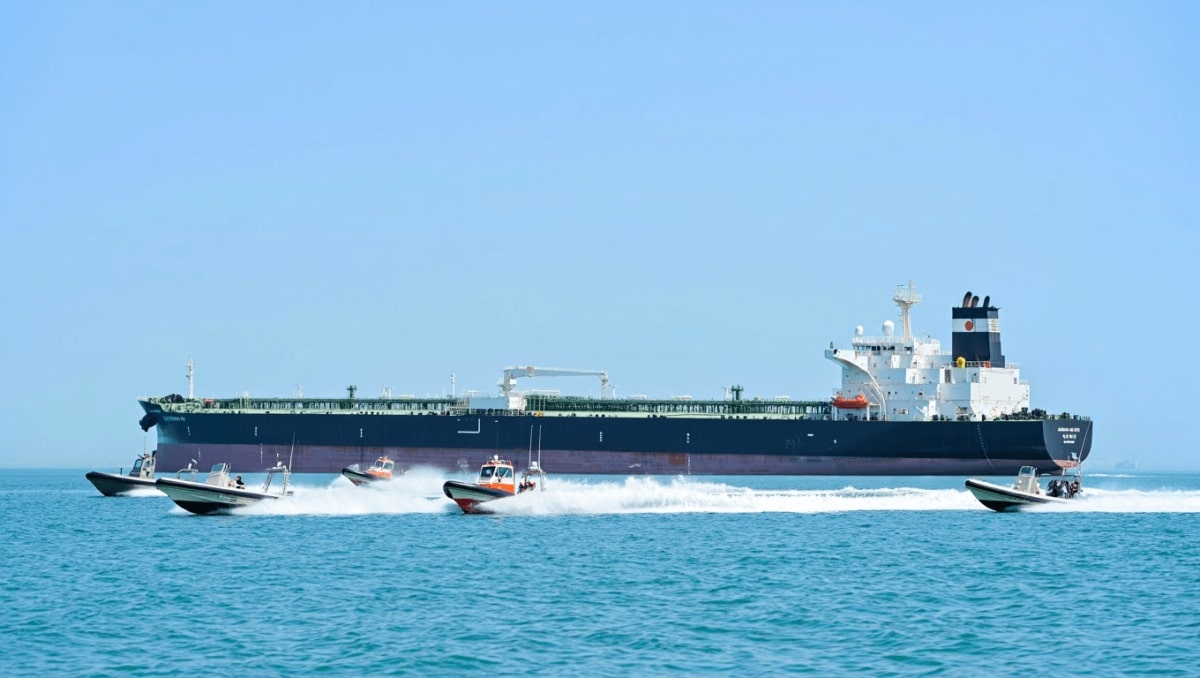
Hopes that shipping through the Strait of Hormuz may soon resume have sent oil prices sharply lower and lifted markets around the world, easing a week-long risk premium that had pushed energy costs and investor caution higher. The sudden change in market tone matters because the strait is a critical artery for crude flows, and any move toward stable maritime traffic can quickly ripple through fuel prices, shipping costs and inflation expectations.
In early trading, benchmark crude slipped as traders pared positions built during the recent disruption; at the same time, equities from New York to Tokyo showed broad gains as risk sentiment improved. Investors interpreted the reports of possible reopening as a reduction in near-term supply risk, prompting a rotation out of safe-haven assets and into stocks and cyclicals.
How serious the disruption had been is still clear: the Strait of Hormuz routinely handles a large share of the world’s seaborne oil, so even short interruptions push buyers and insurers to price in extra risk. The abrupt reversal this morning reflected traders’ willingness to unwind those hedges, but analysts caution that headlines can swing prices quickly back if conditions change.
Michael Page dropped from UFC rankings despite victory: what it means for his career
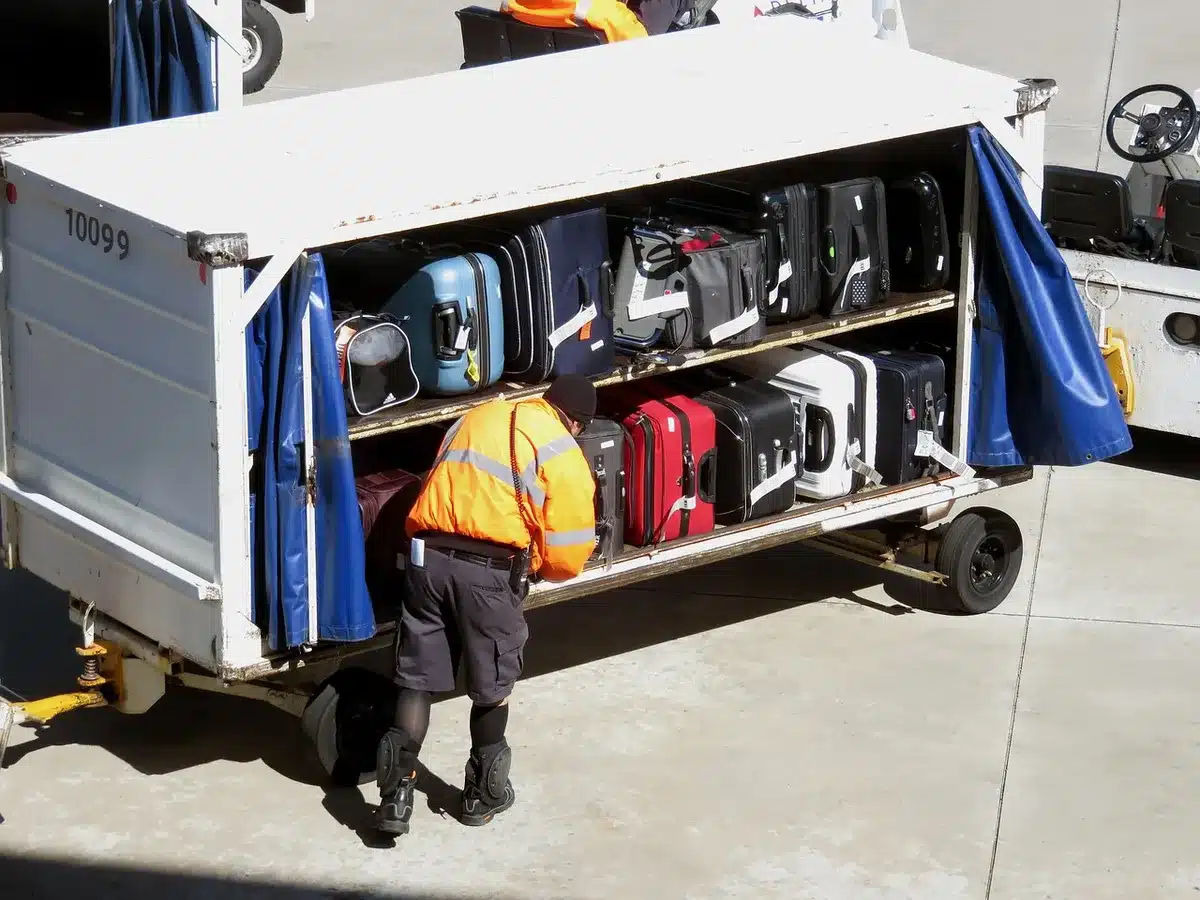
Viral video shows 81-year-old delivery worker struggling with heavy luggage
What this means for markets and households
- Lower oil costs can translate into reduced wholesale fuel prices, which over time may ease pressure on consumer petrol and diesel prices.
- Shipping insurers and freight operators may see premiums fall if transit is deemed safer, potentially lowering costs for imported goods.
- Risk-sensitive assets such as emerging-market stocks and currencies often benefit first when geopolitical risk recedes.
- Central banks and policymakers watch energy-driven inflation closely; a sustained drop in oil could influence monetary policy rhetoric later this year.
Market participants emphasized the conditional nature of the rally. “Short-term relief is meaningful but fragile,” said a strategist at a major investment bank (requesting anonymity). “Geopolitical disruptions tend to be binary — either you get a durable de-escalation or renewed incidents that reverse the move.”
Traders also noted technical dynamics: positions built during the spike to hedge against supply shocks are now being liquidated, amplifying the fall in prices. That deleveraging often compresses volatility in the immediate aftermath but can leave markets vulnerable if fresh, credible threats re-emerge.
Wider economic implications
For commodity-sensitive sectors, the change lowers one immediate input cost. Airlines, chemical manufacturers and transport companies could see a modest margin relief if lower crude persists. Conversely, energy producers and some national budgets that rely on high oil revenues may face renewed pressure on income and investment plans.
On the policy front, governments monitoring the Strait will likely weigh the implications for strategic reserves and naval deployments. A stabilized shipping route reduces the urgency to tap emergency stockpiles, but officials typically reserve judgment until on-the-ground confirmations are made.
Not all market moves were uniform: safe-haven bonds and the dollar gave back some of their recent gains, while commodity-linked currencies and cyclical stocks led the advance. Analysts expect continued headline-driven volatility and advise watching a handful of indicators that will determine whether this is a lasting shift.
Key indicators to watch next
- Official statements from regional authorities and international navies confirming sustained maritime access.
- Oil inventories in major markets and weekly tanker-tracking data showing cargo flows through the strait.
- Insurance premium quotes and freight-rate indices, which reflect trader and shipowner confidence.
- Market positioning data and fund flows that reveal how much risk has already been taken off the table.
For now, the market’s reaction offers a glimpse of how swiftly geopolitics can sway prices and portfolios. Traders and policymakers alike will be parsing fresh reports closely — any sign that the reopening is either fragile or durable will determine whether today’s relief becomes a sustained trend or just a brief pause in volatility.