Show summary Hide summary
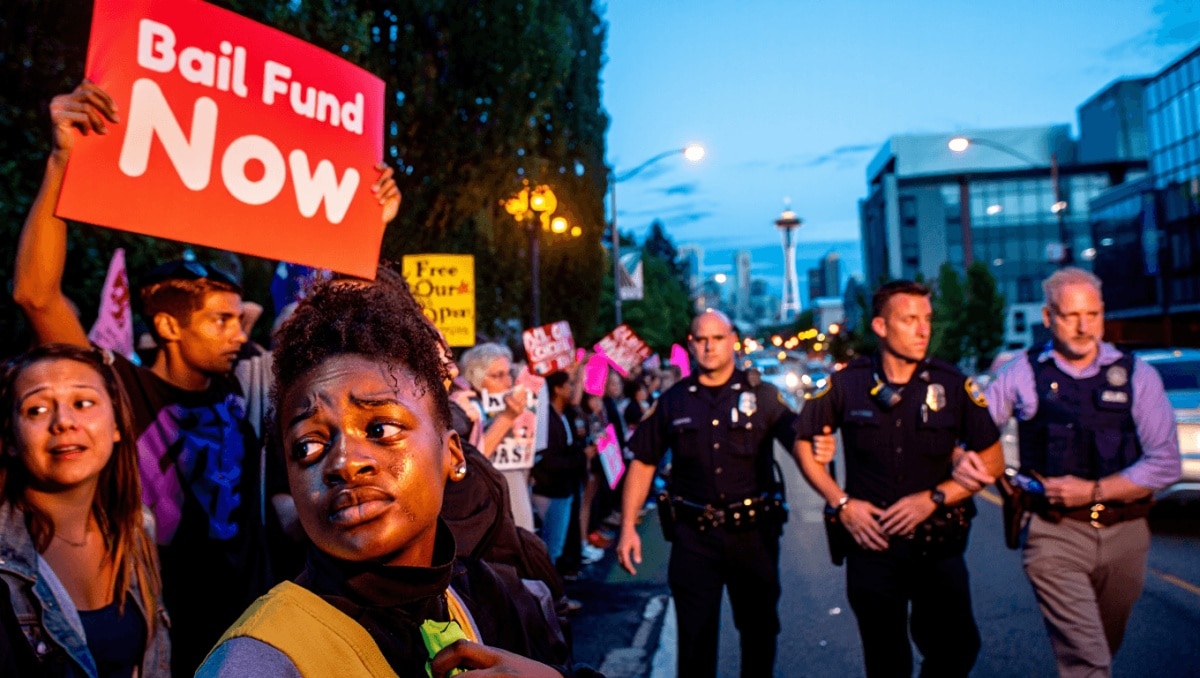
Seattle is confronting a widening drug crisis that city leaders and residents say has been complicated by activist groups paying bail for people arrested on drug-related charges. The practice has intensified debates about public safety, the future of bail reform and how best to address addiction and homelessness right now.
For months, neighborhoods across the city have reported increased incidents of visible drug use, property damage and emergency medical calls. At the same time, community organizers and mutual-aid groups have stepped in to post bail for individuals arrested for nonviolent drug offenses, arguing that pretrial detention can worsen addiction and homelessness.
Two responses collide
The situation has split opinion along familiar lines. Advocates who fund releases say the work prevents people from entering the jail system unnecessarily and preserves access to treatment and housing services. Critics contend the practice can allow repeat offending and enable continued street-level drug activity.
Michael Page dropped from UFC rankings despite victory: what it means for his career
Viral video shows 81-year-old delivery worker struggling with heavy luggage
That tension is more than ideological: it shapes daily life for residents, influences policing strategies and factors into policy discussions at City Hall. The debate also underscores a broader question facing many U.S. cities — how to balance criminal-justice reform with immediate neighborhood safety and public-health needs.
What bail funds do, and why some see them as necessary
Activist groups organizing bail support typically raise money from community donors and use it to secure the temporary release of people charged with misdemeanors or low-level felonies so they can await trial outside jail. Supporters stress three main points: it avoids the collateral consequences of short-term incarceration, it preserves people’s access to social services, and it addresses inequalities in how the justice system treats people who cannot afford bail.
Those defending the practice frame it as a harm-reduction measure that intersects with addiction services and housing outreach — not simply a legal maneuver.
Concerns from law enforcement and local businesses
Police leaders and business owners express a different set of worries. They point to instances where individuals released on bail have been arrested again for similar offenses shortly afterward, increasing calls for police response and emergency medical care. Small business proprietors in affected neighborhoods report lost revenue, increased security costs and a sense of deteriorating public order.
- Emergency services strain — more frequent overdose responses and medical transports.
- Neighborhood disruption — public drug use, discarded syringes and property damage affect daily life.
- Legal and fiscal pressure — higher policing and cleanup costs for the city and business districts.
- Recidivism concerns — officials say some released individuals are quickly rearrested, complicating case management.
Possible policy paths
City officials are considering a range of options, from funding more intensive outreach and treatment programs to revisiting enforcement priorities and how bail reform policies are implemented. Public-health experts stress that any durable solution will require expanding access to addiction treatment, supportive housing and coordinated outreach — measures that take time and funding to scale.
Some policy proposals under discussion include targeted diversion programs that couple release with mandatory treatment referrals, expanded safe-consumption sites in pilot form, and clearer accountability mechanisms for organizations that post bail so court appearances and service linkages improve.
Why this matters now
The issue is immediate because decisions made in the next few months will shape how the city navigates both the legal fallout and the public-health response during a period of heightened visibility for the crisis. For residents, small businesses and emergency responders, the stakes are practical: fewer resources and longer emergency waits if incidents continue to rise, or — alternatively — broader systemic change if treatment and housing options expand.
The debate over activist bail posting is unlikely to resolve quickly. What emerges from current discussions will reflect how Seattle chooses to weigh short-term safety needs against long-term reform goals — and whether investments in treatment and housing can keep pace with the urgency on the streets.