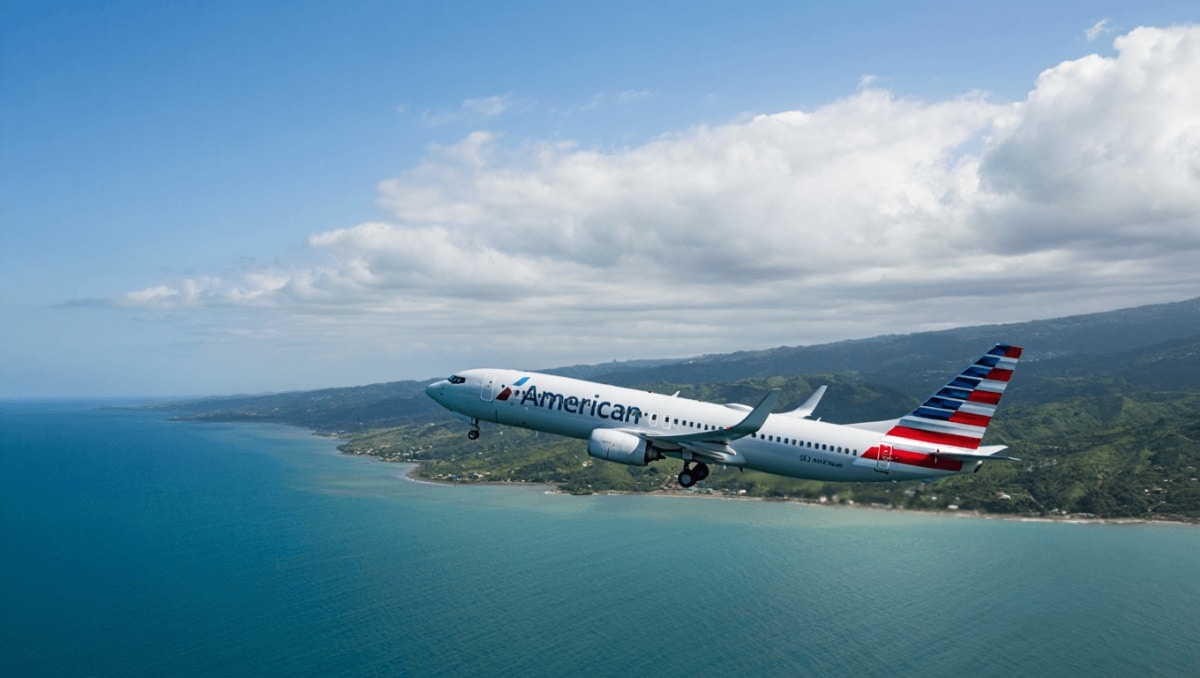
A commercial flight from the United States to Caracas, the first direct service in seven years, is scheduled to operate — a concrete sign that travel between the two countries is beginning to thaw. The return of a nonstop link could reshape family travel, business ties and diplomatic momentum that has built up in recent months.
The pause in direct service began amid long-running political tensions and operational pullbacks that left travelers reliant on connecting routes through third countries. Restoring nonstop connections reduces travel time and costs and signals practical progress beyond diplomatic statements.
Why this matters now
Reinstating a direct route has immediate, tangible effects for people and businesses. For Venezuelan Americans and dual nationals it shortens long-planned visits; for exporters and cargo operators, it can open faster logistics options. Politically, the move may reflect recent negotiations and a gradual easing of restrictions that have isolated Venezuela’s air links from the U.S. market.
Michael Page dropped from UFC rankings despite victory: what it means for his career
Viral video shows 81-year-old delivery worker struggling with heavy luggage
What the return of direct flights changes
- Travel time and cost: Nonstop service eliminates long layovers, making trips shorter and often cheaper for passengers.
- Family and social connections: Easier access may allow more frequent visits and reduce barriers for those caring for relatives on either side.
- Business and cargo: Faster passenger flights often precede or accompany increased cargo capacity and freight opportunities.
- Diplomatic signaling: Restored service is commonly read as a practical step in bilateral engagement, with potential follow-on effects in trade or consular arrangements.
Operational and legal considerations
Airline schedules, bilateral agreements and regulatory approvals all shape whether a route survives beyond an inaugural flight. Travelers will want to watch for visa requirements, baggage and customs procedures, and any special health or entry rules. Airlines and airports must also coordinate slots, ground services and security to sustain regular operations.
A cautious next step
Although the restart is notable, experts typically caution that one flight does not equal full normalization. Service can expand slowly — from occasional charters to scheduled daily flights — depending on demand, safety assessments and political developments. The durability of the route will depend on commercial viability as much as diplomacy.
What to watch next
- Announcements from airlines on frequency and fares
- Statements by U.S. and Venezuelan authorities clarifying travel and consular procedures
- Updates on cargo services and trade facilitation tied to the route
- Passenger demand trends and any changes to visa or entry rules
For now, the scheduled nonstop flight to Caracas is more than a single itinerary: it’s a practical indicator that connectivity between the United States and Venezuela is, cautiously, being rebuilt.