Show summary Hide summary
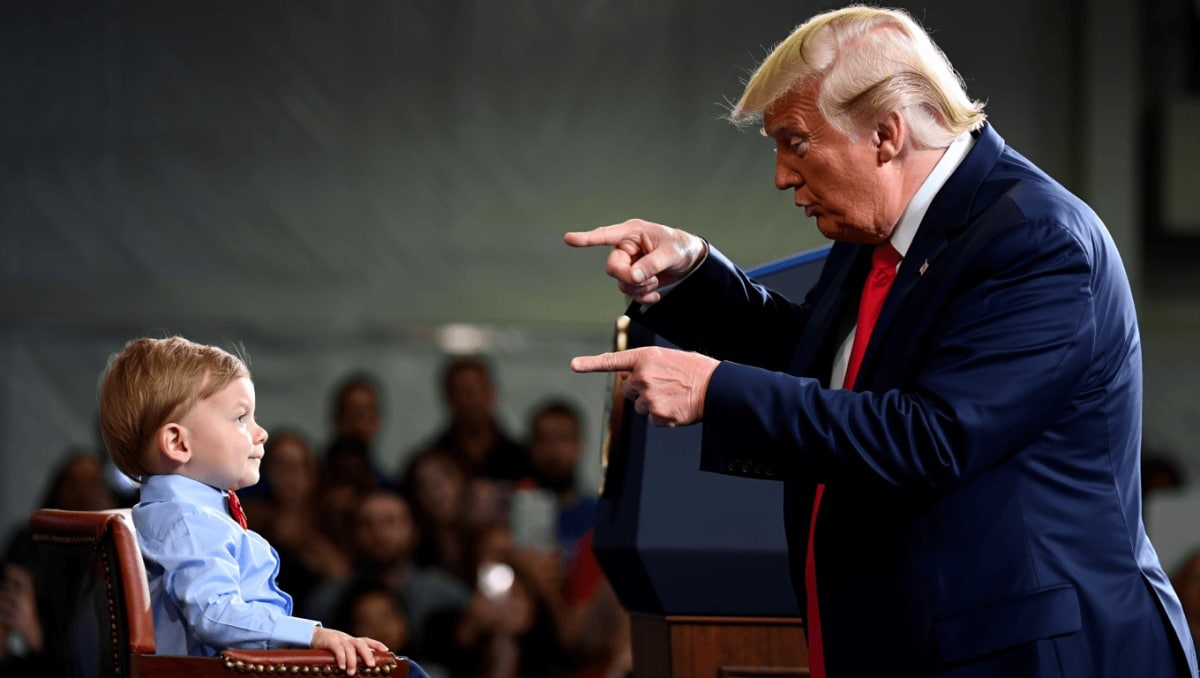
At a recent public appearance, former President Donald Trump drew attention to a two-year-old child who, he said, can now hear after receiving what he described as a “miracle cure.” The moment highlighted how personal medical stories are increasingly used in political settings — and raised fresh questions about access to hearing treatments and how those advances are explained to the public.
Mr. Trump pointed to the toddler while speaking to supporters, characterizing the medical turnaround as remarkable. People at the event reported that the child’s family credited a medical intervention with restoring hearing, and Mr. Trump framed the story as an example of successful treatment. Journalists and medical experts who spoke afterward stressed that individual cases can be powerful but do not substitute for clinical evidence or policy detail.
Hearing restoration in very young children most commonly follows early diagnosis and targeted medical care. Treatments can range from surgical devices to intensive therapy, and outcomes vary depending on cause and timing. Specialists warn that calling a result a “miracle” can oversimplify complex medical pathways and obscure gaps in coverage and follow-up care.
Michael Page dropped from UFC rankings despite victory: what it means for his career
Viral video shows 81-year-old delivery worker struggling with heavy luggage
How hearing treatment typically works
Here are key points about common interventions and what they generally involve:
- Cochlear implant: A surgically implanted device that bypasses damaged parts of the inner ear to deliver sound signals to the brain; often recommended for children with severe to profound sensorineural hearing loss who get limited benefit from hearing aids.
- Hearing aids and therapy: Non-surgical amplification combined with speech and auditory therapy can significantly improve language development when started early.
- Early intervention: Pediatric audiology screening, ideally within months after birth, and prompt treatment are strongly linked to better language outcomes.
- Outcomes vary: Success depends on the underlying cause of deafness, age at intervention, rehabilitation services, and family support.
- Costs and coverage: Devices and surgery can be expensive, and insurance coverage — including Medicaid and private plans — varies by state and policy.
Medical societies emphasize that while single success stories can inspire hope, broader trends matter for public health. Experts point to two practical issues that follow such high-profile anecdotes.
First, equitable access: children in low-income families or rural areas are less likely to receive timely evaluation and follow-up therapy. Second, accurate public understanding: complex treatments require long-term rehabilitation and realistic expectations about outcomes.
Why the moment matters politically
Personal narratives like the one highlighted by Mr. Trump can shape public perception and influence policy conversations. They often steer attention toward immediate emotional impact rather than systems-level questions — for example, whether insurance rules, provider availability, or federal research funding are keeping pace with technological advances.
Health policy analysts say officials and candidates can use such stories constructively by pairing them with clear proposals: improving newborn screening, expanding coverage for devices and therapy, and funding auditory research. Without that follow-through, anecdotes risk becoming symbolic gestures rather than drivers of change.
For readers watching the intersection of medicine and politics, the episode serves as a reminder to ask how widely available a treatment is, what evidence supports its use, and what steps are being taken to make proven interventions accessible to all children who could benefit.