Show summary Hide summary
A Chinese national was recently sentenced in federal court after admitting to attempting to bring live Escherichia coli bacteria into the United States, according to court records. Prosecutors said the case underscores growing concerns about the illicit movement of biological agents and the strain such incidents place on public-health and national-security systems.
What happened
Authorities say the individual tried to import live E. coli strains through international mail, bypassing proper permits and biosafety safeguards required for shipping biological material. Federal investigators intercepted the package during routine screening and opened a criminal probe that led to a guilty plea and the subsequent sentence.
Michael Page dropped from UFC rankings despite victory: what it means for his career
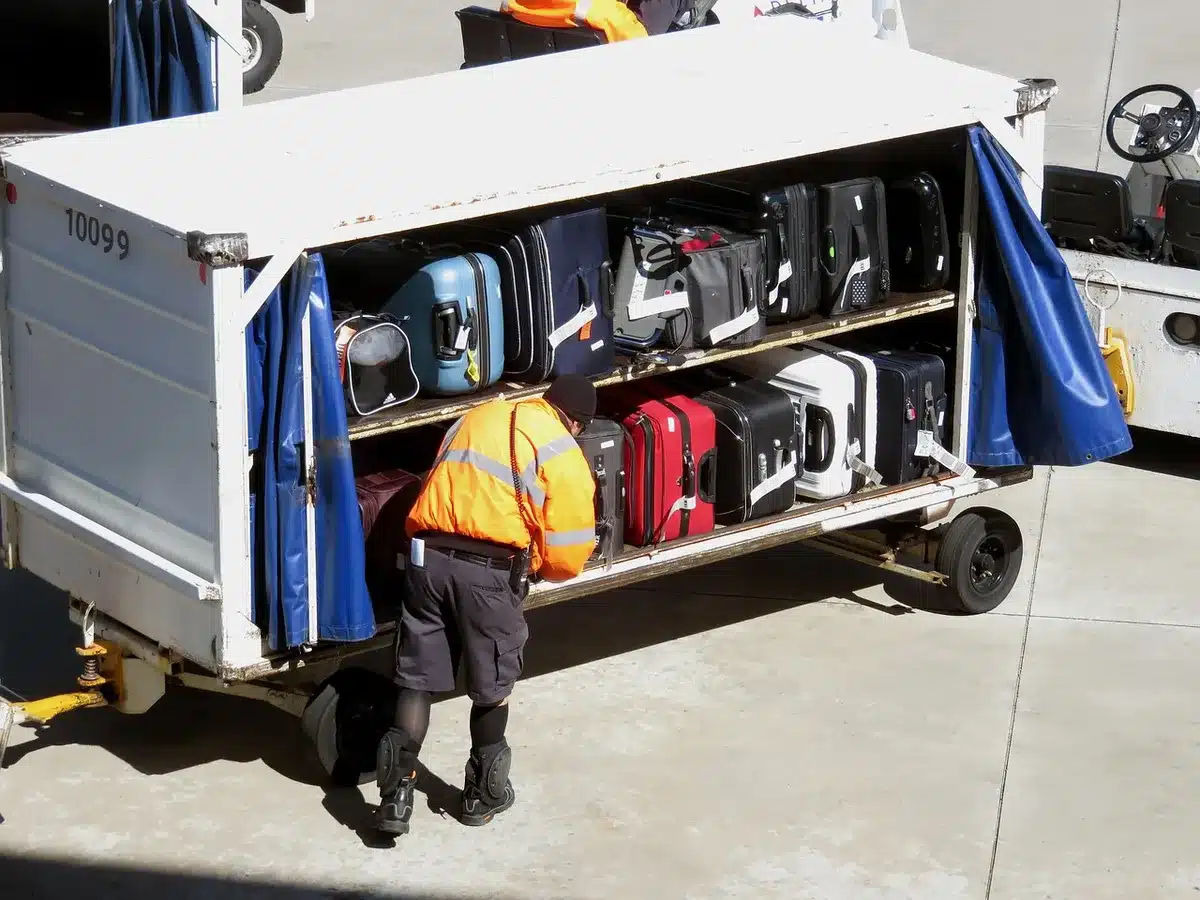
Viral video shows 81-year-old delivery worker struggling with heavy luggage
The indictment focused on the unlawful importation and possession of a potentially pathogenic organism without regulatory approval. Officials involved in the case emphasized the legal and health risks of moving live microbes outside accredited laboratory channels.
Why this matters now
The incident is significant for three reasons: it exposes vulnerabilities in global shipping of biological samples, raises the risk of accidental exposure or contamination, and adds pressure on agencies tasked with monitoring biological threats.
- Public-health risk: Even common strains of E. coli can cause illness if handled improperly or released, and tracking and containing any exposure consumes public-health resources.
- Biosecurity implications: Unauthorized transfers of live organisms complicate efforts to prevent misuse and to ensure samples are handled by qualified labs.
- Regulatory enforcement: The case signals enhanced scrutiny of biological shipments and stricter enforcement of permitting rules for international transfers.
How authorities responded
Federal law-enforcement and public-health agencies collaborated to intercept the shipment, perform laboratory analysis, and build the criminal case. Prosecutors framed the offense as more than a paperwork violation, highlighting potential consequences for mishandled biological materials.
Alongside the sentence, officials called for renewed vigilance from research institutions, commercial couriers, and customs inspectors to ensure live agents are transported only under appropriate permits and containment.
| Issue | Typical agency response |
|---|---|
| Unpermitted import of live microbes | Seizure of material, lab testing, criminal investigation |
| Potential public exposure | Containment, contact tracing, public-health advisories as needed |
| Regulatory noncompliance | Fines, criminal charges, tightened permitting and inspections |
Broader context and next steps
While cases of deliberate bioterrorism remain rare, the unlawful movement of biological materials—whether for malicious intent or negligence—draws significant attention from law enforcement and health agencies. Experts say this type of prosecution serves as a deterrent and a reminder that international exchange of biological samples must follow strict oversight.
Laboratories and institutions that handle microbial cultures are encouraged to review import/export procedures, ensure staff are trained on shipping regulations, and work with designated biosafety officers to prevent similar incidents. For the wider public, the most immediate takeaway is that agencies maintain active screening and investigative capacity to intercept biological threats before they pose a community risk.