Show summary Hide summary
The United States’ preferred inflation measure surged to its highest level in three years this week, a jump economists link closely to a sharp run-up in fuel costs after the conflict involving Iran intensified. For households and markets, the move raises immediate questions about interest-rate policy, borrowing costs and the outlook for consumer spending.
Price pressures return as gasoline spikes
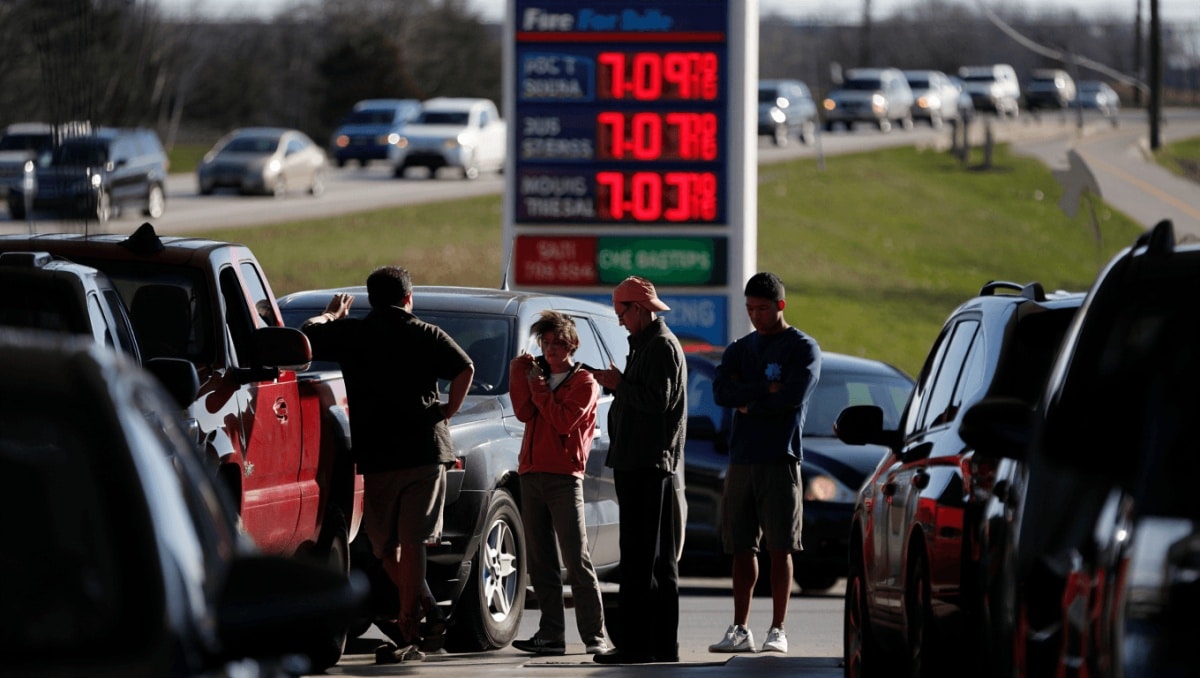
After a period of easing, the main gauge policymakers watch—core personal consumption expenditures—recorded a notable increase, reversing the recent downtrend. Analysts point to a pronounced rise in gasoline prices following tensions in and around Iran that disrupted expectations for oil supply and pushed energy costs higher across the board.
Michael Page dropped from UFC rankings despite victory: what it means for his career
Viral video shows 81-year-old delivery worker struggling with heavy luggage
The timing is significant: inflation that was trending toward the Federal Reserve’s comfort zone now looks stickier, complicating the central bank’s challenge of balancing growth and price stability.
What this means for households and markets
Rising inflation affects people unevenly. Lower-income households spend a larger share of income on necessities such as transport and energy, so a fuel-driven price jump erodes purchasing power more quickly for them.
Financial markets reacted swiftly: Treasury yields climbed and equity indexes showed increased volatility as investors reassessed the trajectory for interest rates. Mortgage rates and consumer loan costs typically follow, increasing borrowing expenses for potential homebuyers and businesses.
- Consumer budgets: Higher pump prices immediately reduce disposable income and can tighten spending on discretionary items.
- Monetary policy: A sustained uptick in the core inflation gauge increases the likelihood that the Federal Reserve will pause any plans to lower rates or keep policy tighter for longer.
- Markets: Bond yields normally rise on inflation surprise, which can pressure stock valuations and increase funding costs for companies.
- Supply chain and energy outlook: Geopolitical risk in the Middle East raises the potential for further volatility in crude and refined fuel markets.
Central bank calculus grows more complex
Federal Reserve officials must now weigh whether the price jump is transitory—driven solely by temporary supply shocks to oil—or a signal of more persistent inflationary forces. If energy costs remain elevated and begin to feed into wages and other services, the policy response could tighten.
Economists caution against overreacting to a single data point, but policymakers watch the core measure closely because it strips out food and energy and better reflects underlying price trends. A few additional months of similar readings would carry more weight in shaping rate decisions.
Context and likely next steps
Earlier this year, inflation showed signs of easing, giving households and businesses some breathing room. The recent reversal underscores how vulnerable the outlook remains to external shocks.
Expect the following in the near term:
- More frequent commentary from Fed officials clarifying their reading of the data.
- Closer monitoring of wage growth and services inflation to see if the energy shock spreads.
- Heightened market sensitivity to weekly oil reports and geopolitical developments in the Middle East.
For readers, the practical takeaway is straightforward: short-term fuel-driven inflation can quickly change the cost of living and borrowing. Watching incoming inflation reports and central bank signals will be crucial to understanding whether this spike is a flare-up or the start of a longer trend.