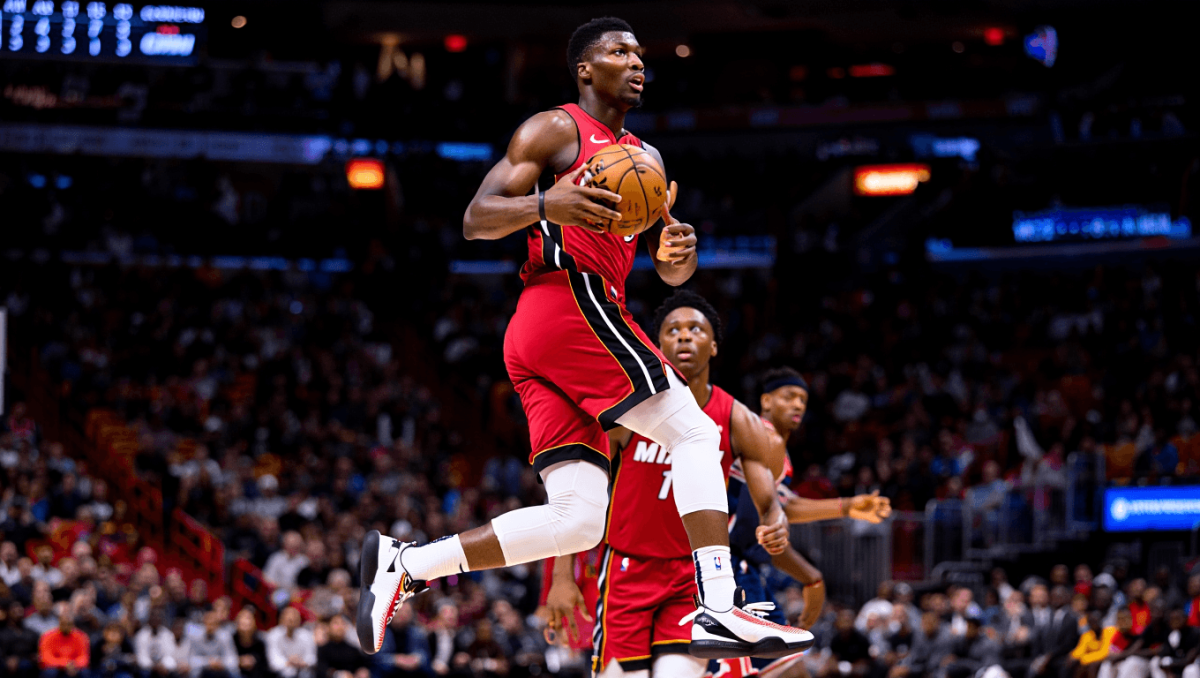
When Bam Adebayo poured in 83 points in Miami’s 150–129 win over Washington on March 10, the moment should have been a celebration. Instead, a follow-up press conference from coach Erik Spoelstra exposed a deeper problem: matches in which opponents appear to have little incentive to compete, a trend that has turned losing into a strategy across the league.
Spoelstra used part of his media availability to question why some rival teams seem to play as if their priority is draft positioning rather than victory. That exchange refocused attention on a growing threat to the NBA’s credibility: organized tanking.
The mechanics are familiar. The worse a team’s record, the better its odds in the annual draft lottery, and the more attractive a high draft pick becomes as a shortcut to relevance. According to reporting in the Wall Street Journal, the 2025–26 regular season marked the first time at least eight clubs lost at least two-thirds of their games — a striking concentration of defeats that analysts say is unlikely to be coincidental.
Michael Page dropped from UFC rankings despite victory: what it means for his career
Viral video shows 81-year-old delivery worker struggling with heavy luggage
Combined with routine player rest and strategic absences — commonly called load management — this shift creates two problems at once: a public-relations headache and a question of competitive integrity. Fans paying full price can leave arenas unsure whether they watched a genuine contest or a staged failure of will.
Adam Silver has publicly acknowledged the urgency. At a recent governors’ meeting the commissioner vowed the league would address the issue “full stop.” That statement reflects growing pressure from owners, broadcasters and viewers who see the sport’s product at risk.
Several remedies are already circulating in league circles and the media. Some are minor tweaks; others would reshape how the NBA builds teams. Former player Charles Barkley has proposed practical limits on teams that finish under .500 — for example, barring them from raising ticket prices — and suggested moving toward equal odds for every lottery entrant so losing doesn’t confer extra advantage.
There is also a more radical option gaining traction among critics: remove the lottery entirely and award draft positions strictly by reverse regular-season record. That is how many other U.S. leagues determine draft order, and proponents argue it would remove perverse incentives for middle-tier teams to lose intentionally when a wide swath of clubs can still “win” the lottery.
None of these ideas is without drawbacks. A blunt reform like reversing the draft order would likely preserve some tanking — top prospects can transform an NBA franchise in a single offseason in ways that matter less in larger-roster sports. Likewise, equalizing lottery odds could simply shift strategic behavior to other levers, such as resting stars or manipulating injuries.
Practical options now under discussion include:
- Eliminating the lottery and assigning draft picks by worst-to-best record — a clear, transparent system that reduces the value of engineered losses.
- Equalizing lottery odds for all non-playoff teams to blunt incentives to finish at the bottom.
- Financial or operational penalties for teams judged to be deliberately noncompetitive, such as limits on ticket-price increases or loss of draft protections.
- Stronger oversight of in-game and roster decisions tied to competitive balance rules, with clearer standards for legitimate rest versus strategic tanking.
Each path carries trade-offs between fairness, competitive balance and the league’s economic realities. A one-size-fits-all fix is unlikely; the challenge for the NBA will be to design rules that minimize incentives to lose without harming genuine rebuilding efforts.
For spectators and local markets, the stakes are tangible: fewer credible contests erodes fan trust, hurts broadcasters and can hollow out attendance. For the league’s long-term health, the priority is obvious — preserve the idea that every game matters.
The conversation is now less about whether to act and more about how. Whatever the final package looks like, it will need to discourage strategies that treat defeat as a path to future success while preserving legitimate efforts to reshape rosters. Fans and stakeholders will be watching whether the NBA can protect competitive integrity without undermining the avenues teams use to rebuild.