Show summary Hide summary
The Milwaukee Bucks entered the offseason facing an abrupt reset after coach Doc Rivers left the organization on Sunday following a 32–50 campaign. With franchise star Giannis Antetokounmpo sidelined amid a public dispute over playing time, the club must make high-stakes choices that will shape its short- and long-term future.
Rivers’ departure marks the third head-coaching vacancy in as many seasons, a turnover rate that signals instability for a franchise that claimed the NBA title in 2021. Milwaukee finished 11th in the Eastern Conference, and the front office now has to recruit a leader who can stabilize a roster in transition.
Giannis, the roster and an uncomfortable offseason
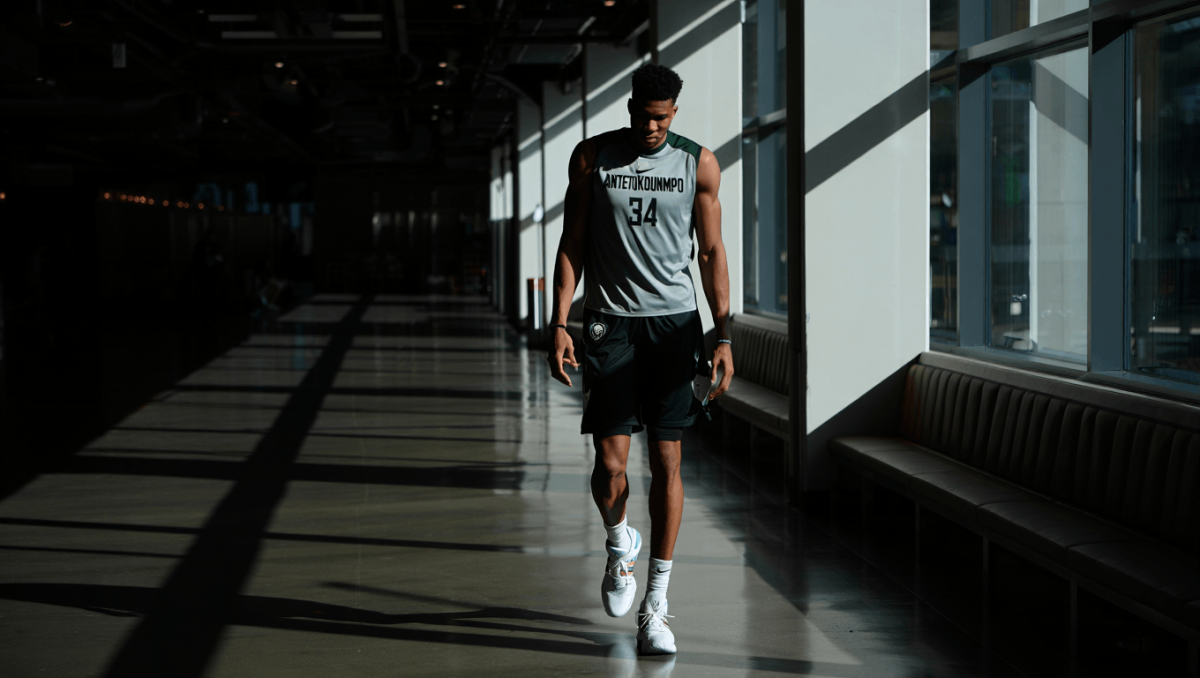
Antetokounmpo, 31, played in just 36 games this season and was kept off the floor after the trade deadline when the team opted not to move him. The star publicly described his benching as “disrespectful,” and media accounts say the NBA is reviewing how the Bucks managed the situation. Whether that review affects negotiations or future personnel decisions remains unclear, but the tension between player and club is now central to Milwaukee’s planning.
Michael Page dropped from UFC rankings despite victory: what it means for his career
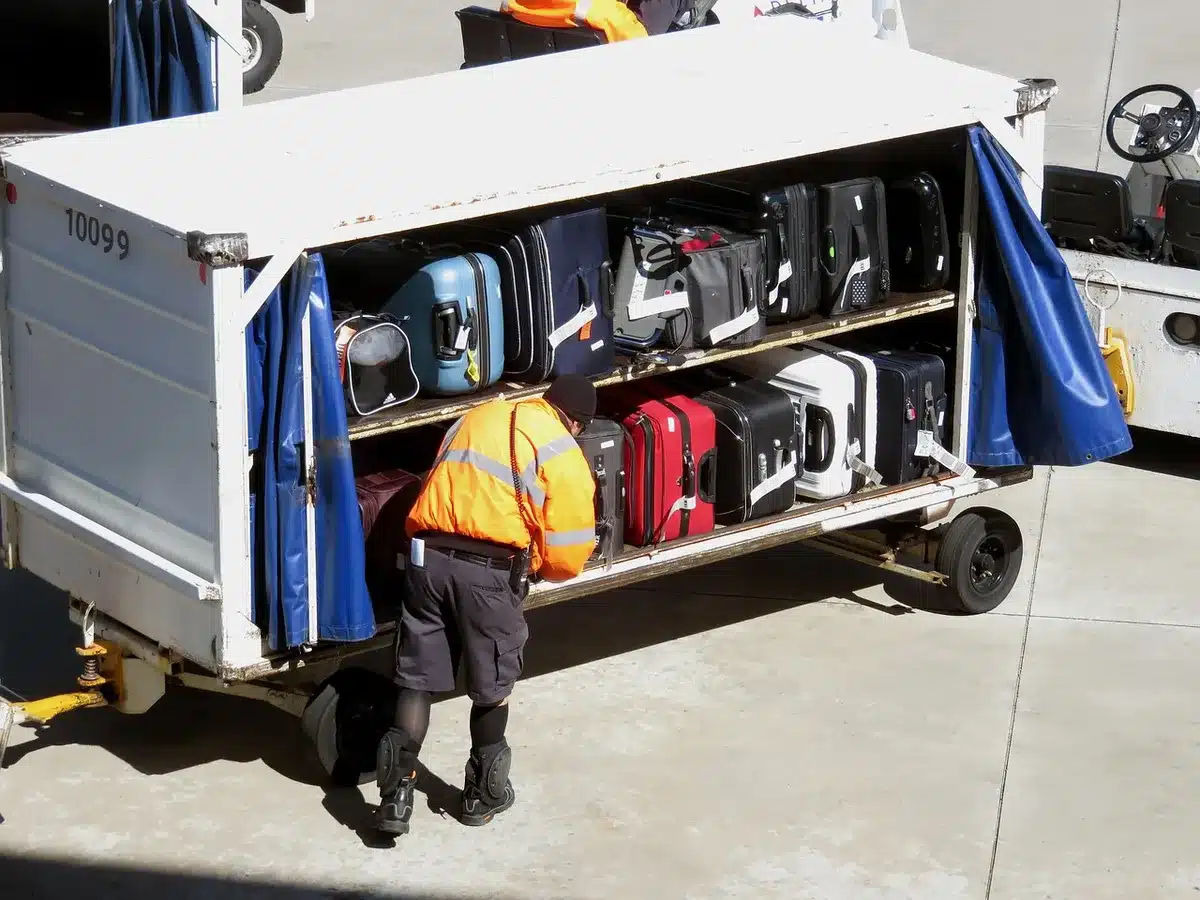
Viral video shows 81-year-old delivery worker struggling with heavy luggage
Even if the Bucks secure a sizable return in a potential trade, replacing an all‑world talent when healthy is a long-term challenge. Beyond Antetokounmpo, the roster lacks proven depth capable of immediate contention, which increases pressure on the front office and the next coach to either rebuild efficiently or retool around new assets.
What the next coach must deliver
- Stability and culture rebuilding: Quickly re-establish a coherent identity and restore confidence in the locker room.
- Player development: Accelerate growth for young and fringe rotation players so the team isn’t overly reliant on a single superstar.
- Asset maximization: If a trade for Giannis Antetokounmpo occurs, the coach must help integrate incoming pieces to preserve competitiveness.
- Cap and roster flexibility: Create structure that allows the franchise to pursue talent in free agency and the draft.
- Communication with management: Align strategy with the front office to avoid more midseason ruptures.
Those priorities reflect immediate needs, but the timetable for success is not short. A misstep in the coaching hire or a suboptimal trade return would likely push Milwaukee toward a prolonged rebuild and frequent losing seasons, with broader consequences for the franchise’s standing in a crowded Eastern Conference.
Why league-wide trends matter to Milwaukee
NBA commissioner Adam Silver has publicly warned against deliberate tanking and suggested the league could alter the lottery system to discourage losing. Any change to the NBA Draft Lottery would affect small‑market teams differently, potentially reducing Milwaukee’s ability to recover quickly via high draft selections if it falls into the lottery.
That context raises the stakes: the Bucks must avoid both managerial churn and a depleted asset base. Good fortune in a draft can help, but structural fixes — a clear coaching vision, smart asset management and a coherent rebuild plan — will be the primary determinants of how quickly the team rebounds.
The next few months will be decisive. Milwaukee’s front office needs to identify a coach who can do more than win games; they must appoint a leader capable of navigating a complicated roster situation, protecting asset value and laying the groundwork for the franchise’s next competitive window.