Show summary Hide summary
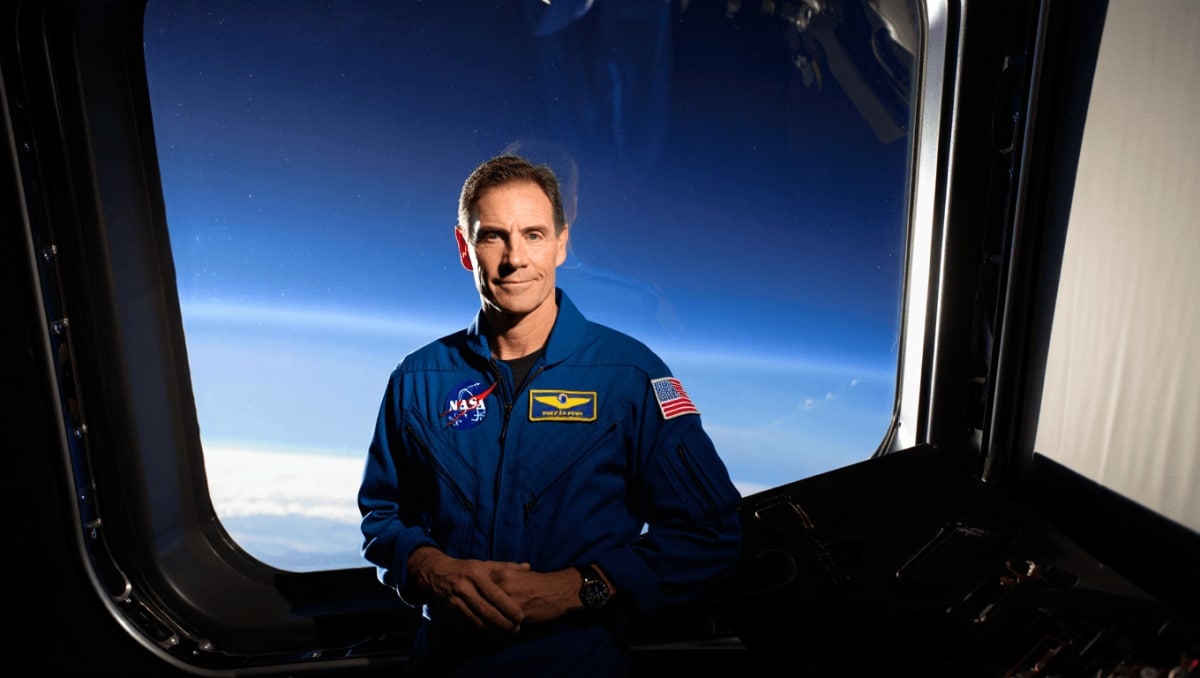
A retired NASA astronaut’s remark that a recent crewed flight was “almost been a ‘perfect flight’ so far” underscores how far U.S. human spaceflight has come—and why small differences between nominal and flawless matter now. The assessment speaks to growing confidence in commercial spacecraft, while also spotlighting the regulatory and safety questions that will shape the next wave of missions.
The comment came after a successful launch and return that met mission objectives with only minor deviations from plan. For industry and policymakers, near-perfect performance is a milestone: it reduces program risk, reassures insurers and partners, and alters expectations for cadence and cost.
What “almost perfect” means for spaceflight today
In practical terms, the phrase signals that a vehicle and crew executed their tasks reliably—launch, on-orbit operations, and re-entry—while handling routine anomalies without jeopardizing the mission. It’s not an applause line so much as an operational thumbs-up: systems behaved as designed and crew procedures worked under real conditions.
Michael Page dropped from UFC rankings despite victory: what it means for his career
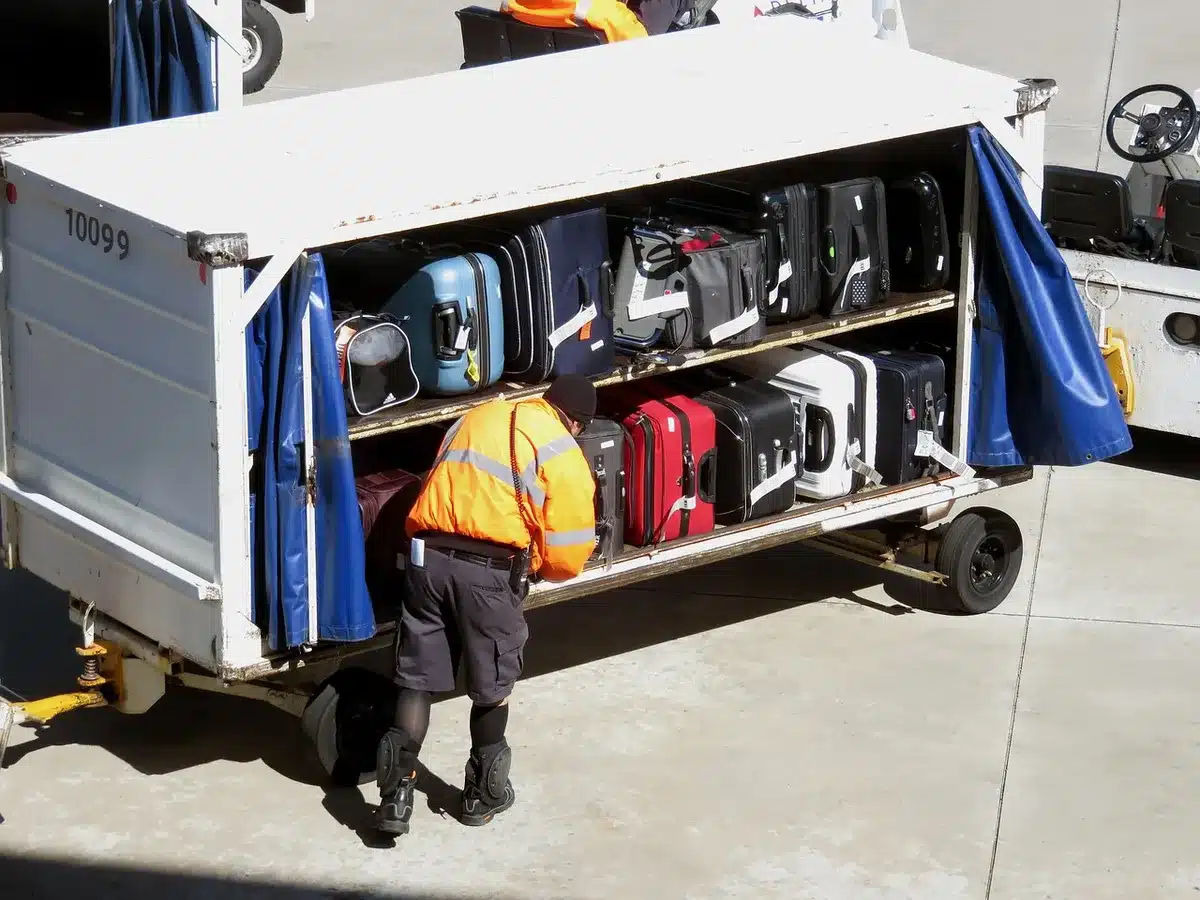
Viral video shows 81-year-old delivery worker struggling with heavy luggage
That matters because as more missions shift from government-run tests to commercially provided services, tolerance for unexpected outcomes narrows. Customers—whether scientific payloads, national labs, or private astronauts—expect predictable results, and a near-flawless run increases market trust.
Near-term implications
Even a largely successful flight prompts immediate follow-up across several domains. Flight data will be scrutinized; minor anomalies will be logged and corrected. Regulators will review performance against certification criteria. And mission planners will factor lessons learned into crew training and timeline estimates.
For investors and the public, a clean flight reduces perceived risk and can accelerate commitments to additional missions. For NASA and other agencies, it can justify scaling commercial partnerships for continued low-Earth orbit activities and beyond.
- Safety validation: Repeated, consistent flights build statistical confidence in vehicle reliability.
- Regulatory momentum: Successful missions inform certification pathways and oversight standards.
- Commercial confidence: Operators and customers are more likely to sign repeat missions and long-term contracts.
- Operational learning: Even small deviations spark procedural updates and incremental design changes.
What analysts will watch next
Beyond immediate technical reviews, observers will track how teams close the loop on minor faults and whether schedule pressure leads to rushed fixes. The next flights will reveal whether this performance is repeatable—an essential test for turning isolated success into programmatic reliability.
There are also broader policy and budget implications. If commercial providers can reliably deliver crewed services, agencies might reallocate funds toward deep-space exploration, scientific instruments, or missions that require human presence beyond low orbit.
Finally, international partners monitor these outcomes closely. Dependable commercial access to space affects collaboration options, station logistics, and how countries plan their own human spaceflight efforts.
Bottom line
A former astronaut’s characterization of the flight as “almost perfect” is less a final verdict than a marker of progress: the industry is moving from experimental demonstrations toward operational reliability. That shift will influence safety standards, commercial opportunities, and the strategic choices that determine where human spaceflight goes next.