Show summary Hide summary
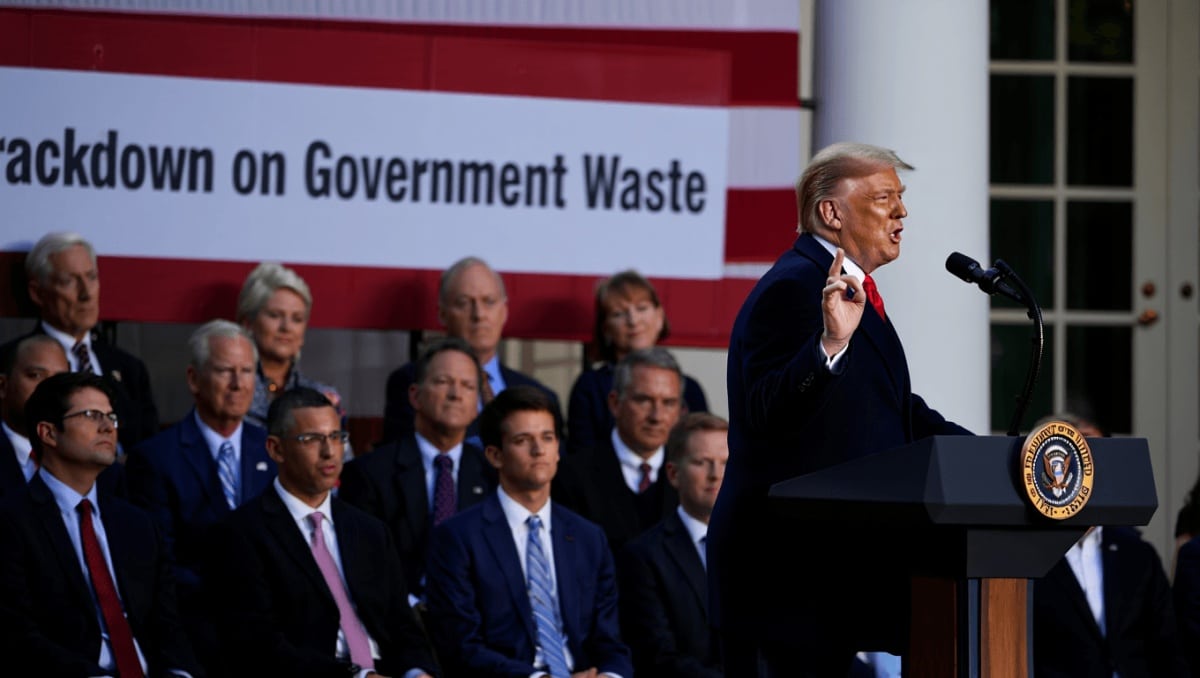
This week, former President Donald Trump unveiled a new federal task force described as a crackdown on waste, fraud and abuse across government programs. The announcement — aimed at tightening oversight of federal spending — could reshape how agencies, contractors and benefit recipients are audited and prosecuted in the months ahead.
What the task force is and why it matters now
Michael Page dropped from UFC rankings despite victory: what it means for his career
Viral video shows 81-year-old delivery worker struggling with heavy luggage
Officials framed the initiative as an effort to reclaim lost taxpayer dollars and improve program integrity. Backers say the move responds to growing scrutiny over pandemic-era spending, sprawling entitlement outlays and recurring procurement problems that have long frustrated watchdogs.
The timing is significant: tighter reviews could affect payments, grants and contracts already in motion, and may raise compliance burdens for state and local partners who administer federal programs.
Planned focus areas
While the announcement did not publish a full operational plan, the task force is expected to concentrate on several recurring sources of government loss. Analysts see overlap with existing entities — such as inspectors general and the Government Accountability Office — but say a high-profile, centralized effort could accelerate investigations and referrals to law enforcement.
- Improper payments: duplicate or ineligible disbursements across benefit programs
- Procurement and contract fraud: overbilling, bid-rigging and compliance failures in government contracting
- Healthcare and insurance fraud tied to federal reimbursement systems
- Misuse of emergency or pandemic-relief funds
- Program integrity gaps at state and local levels that result in waste
How it may work
Officials say the task force will pool auditors, prosecutors and policy experts to target high-value cases. That model aims to combine rapid data-driven screening with traditional oversight tools — audits, civil enforcement and criminal referrals — to recover funds and deter future abuse.
Some observers warned that coordination will be the test: without clear lines between existing oversight bodies, efforts can duplicate work or complicate prosecutions. Proponents counter that a single, visible initiative could prioritize the most costly problems and focus limited enforcement resources.
Responses from both sides
Republican lawmakers largely welcomed the announcement as a bipartisan issue that can show tangible returns by recovering money and tightening procurement rules. Democratic leaders and some program advocates urged caution, stressing that audits should not slow essential services or cut benefits for eligible recipients.
Government-watch organizations offered mixed reactions: watchdogs that focus on fiscal accountability said stronger enforcement is overdue; groups defending program access warned against overly aggressive tactics that could chill legitimate claims or burden frontline administrators.
Potential consequences for the public and contractors
For contractors and grant recipients, the initiative likely means more rigorous compliance checks and faster follow-up on suspected irregularities. That could translate into halted payments, tighter contract oversight or demands for repayment in contested cases.
For beneficiaries of federal programs, the effect will depend on how reviews are conducted. If audits are targeted and narrow, beneficiaries may see little change. If probes are broad or procedural rules are tightened, some recipients could face longer waits or increased documentation requirements.
| Area | What it targets | Immediate impact |
|---|---|---|
| Improper payments | Duplicate claims, eligibility errors | Recoveries; possible repayment demands |
| Procurement | Fraud, bid-rigging, contract noncompliance | Contract reviews; suspension or debarment risks |
| Healthcare reimbursements | Upcoding, false claims | Audits; referrals to civil or criminal enforcement |
| Emergency funds | Misuse of relief or stimulus dollars | Rapid audits; public reporting |
What to watch next
Key details that will determine the task force’s effectiveness remain unclear: its legal authority, staffing, how it will coordinate with existing offices of inspectors general, and whether it will publish regular findings. Observers will be looking for a formal charter and the first set of cases it pursues.
For citizens and officials alike, the balance between aggressive recovery efforts and preserving timely access to federal services will be the central measure of success. If implemented with clear rules and transparent oversight, the project could tighten gaps that have long allowed funds to slip through the cracks. If not, it risks duplication, administrative strain and political controversy.
In the coming weeks, agencies, watchdogs and lawmakers will likely press for specifics — and those choices will determine whether this becomes a durable step toward stronger oversight or another short-lived headline about rooting out government waste.