Show summary Hide summary
NFL teams typically finalize their draft priorities well before April, but the Scouting Combine still has the power to rearrange perceptions — and, in rare cases, draft boards. This week in Indianapolis reinforced one widely held view: **Fernando Mendoza** looks increasingly locked in as the likely No. 1 pick, while a handful of other prospects either rose sharply or slipped after their workouts.
Front offices often say their rankings are set by February, with only truly exceptional performances changing minds. That pattern held again: few franchises appeared ready to jettison a top selection, but the Combine produced meaningful movement lower on many boards. For players, those swings can define bargaining power, team fits and pre-draft narratives in the final weeks before April.
Players who gained traction in Indianapolis
- Monroe Freeling (OT, Georgia) — Concerns that he needed another year to develop in college strength programs quieted after a rare blend of size and speed. At about 6-7 and 315 pounds, he posted a sub-5.0 40-yard dash that suddenly looks like a future-pro offensive tackle’s athletic profile.
- Taylen Green (QB, Arkansas) — The measurable numbers — a 4.37 40-yard dash and a 44-inch vertical at roughly 6-6 — made a statement about his physical ceiling. Teams will still ask whether those traits translate to consistent quarterback play, but Green’s testing has recruiters intrigued.
- Jeremiyah Love (RB, Notre Dame) — Scouts came away with confirmation rather than surprises. Love’s workout matched his game tape, strengthening his standing among early first-round candidates.
- Ty Simpson (QB, Alabama) — Limited in-game reps don’t erase the impression he left in meetings and throwing sessions. Simpson showed pro-ready mechanics and better-than-expected accuracy, which helps his case as a QB2 on many boards.
- Mike Washington Jr. (RB, Arkansas) — One of the week’s most eye-catching performances. The 223-pound runner combined a 4.33 40-yard dash and a 39-inch vertical, producing a near-perfect Relative Athletic Score and moving himself toward the top of a thin running-back class.
Michael Page dropped from UFC rankings despite victory: what it means for his career
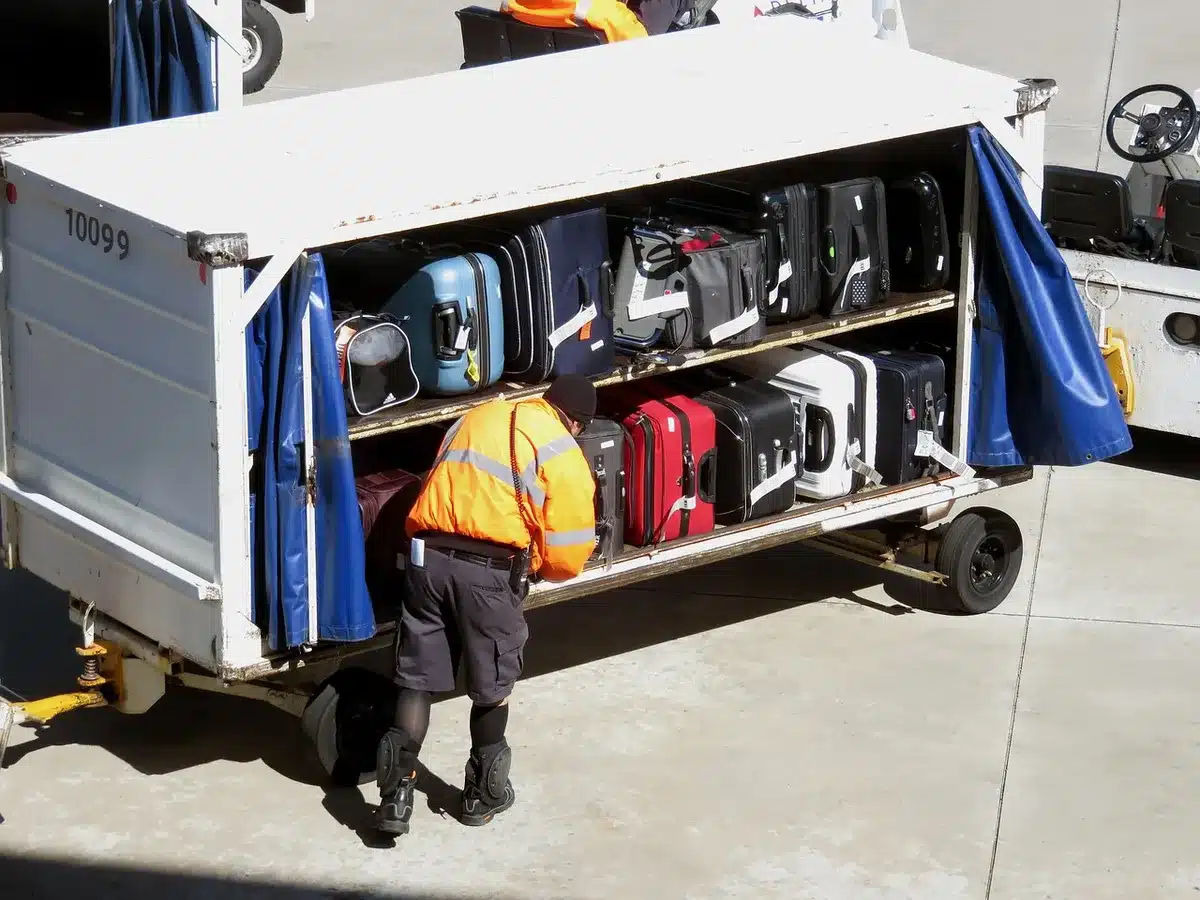
Viral video shows 81-year-old delivery worker struggling with heavy luggage
Many of these risers share a common thread: they turned statistical potential into demonstrable output under the spotlight. For prospects on the fringes of the first round, that’s the difference between first-day money and a sliding draft value.
Who took a hit
Not every invitee left Indianapolis with momentum. Several categories of setbacks emerged that can carry real draft-day consequences.
Slow or uninspired testing remains the most straightforward red flag. When a player expected to display elite speed or explosiveness posts middling numbers, scouts reassess ceiling and position fit quickly — sometimes pushing previously touted prospects into later rounds.
Medical and durability concerns also resurfaced for a handful of players. New imaging results, unexpected physical limitations during drills or visible recovery issues during position work can prompt teams to downgrade prospects or insist on insurance clauses in any contract discussions.
Off-field impressions matter as much as athletic tests. Tight or evasive interviews, unclear answers about leadership and preparation, or unconvincing walkthroughs in position meetings can nudge teams to favor safer, more “known” options even when on-field upside remains high.
- Testing shortfalls — Slower-than-expected 40 times, limited agility scores, or poor positional drills.
- Medical flags — New imaging or on-field durability concerns that prompt additional evaluations.
- Meeting performance — Weak interviews, missed detail in scheme discussions, or inconsistent competitive demeanor.
What this means for draft day
For general managers and scouts, the Combine is another data point — a high-resolution snapshot that either confirms or complicates pre-existing views. For prospects, the stakes are immediate: a stronger week in Indianapolis can boost draft position, improve contract leverage and shape early-career opportunity. Conversely, a poor week can force a player into a defensive stretch filled with medical checks, additional workouts and more intensive interviews.
Between now and the draft, expect teams to follow up with pro days and private workouts where nuances can be clarified. The top of the draft may stay steady, but the middle rounds are where the Combine’s echoes will be heard loudest on draft night.