Show summary Hide summary
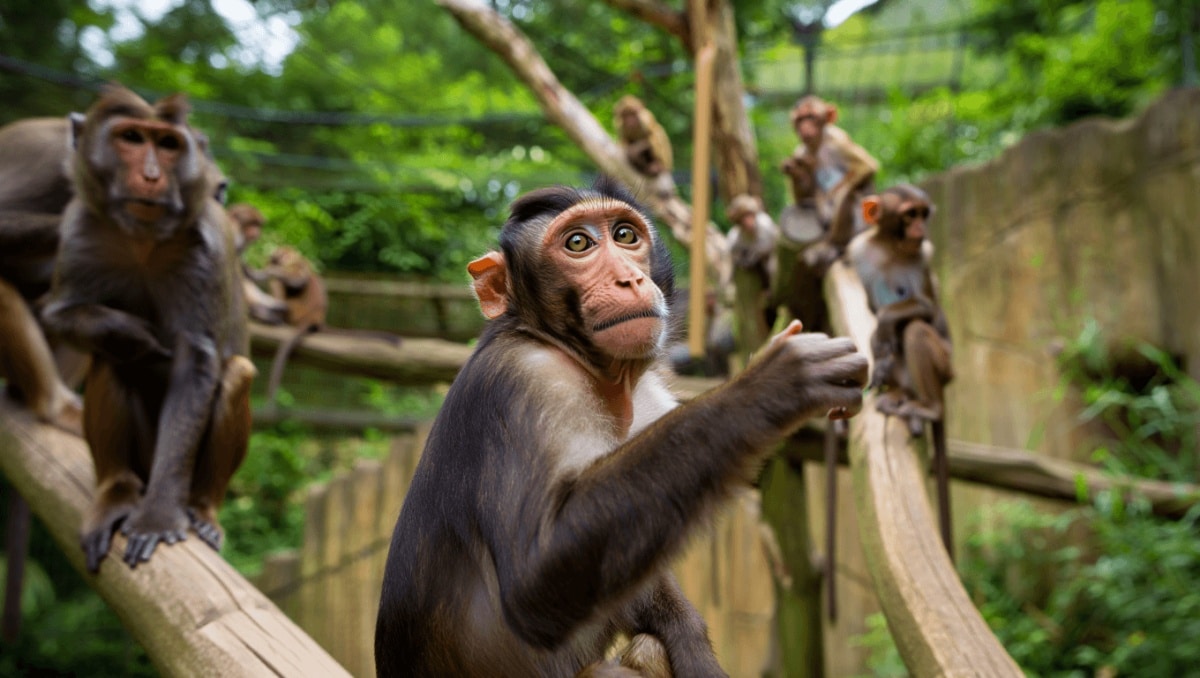
Punch, a young macaque at the Ichikawa Zoological and Botanical Garden, has taken a visible step toward rejoining his troop — a development that matters for animal welfare teams monitoring how hand-reared primates recover social skills. The recent sighting of him riding on another monkey signals progress in a carefully managed reintegration that began earlier this year.
From abandonment to a staged return
Born in July 2025 and abandoned by his mother shortly after, Punch was hand-reared by zookeepers to ensure his survival. During his first months he formed a strong attachment to a soft orangutan plush, which became a familiar comfort object while the rest of the group interacted normally.
Michael Page dropped from UFC rankings despite victory: what it means for his career
Viral video shows 81-year-old delivery worker struggling with heavy luggage
On Jan. 19, 2026, staff started a controlled reintegration into the facility’s larger macaque enclosure, known locally as the “monkey mountain.” Early attempts were difficult: established members of the troop ignored or pushed him away, a common reaction toward infants raised by humans rather than their mothers.
| Date | Milestone | Why it matters |
|---|---|---|
| July 2025 | Birth and maternal abandonment | Triggered human intervention to hand-rear |
| Jan. 19, 2026 | Start of reintegration into troop enclosure | Beginning of gradual social exposure |
| Feb. 27, 2026 | Zoo outlines reintegration plan publicly | Details the welfare-led strategy |
| Recent | Video shows Punch on another macaque’s back | First clear sign of peer social acceptance |
What the team did and what to watch for
The zoo has been deliberate in its approach. Staff worked inside the troop’s space to let other monkeys become accustomed to Punch’s scent and presence, and they first paired him with a calm juvenile female to reduce stress during introductions.
- On-site nursing within the enclosure so the troop could observe and accept him.
- Careful pairing with a gentle youngster to build social confidence.
- Close observation during each phase to prevent aggressive incidents.
Those measures are standard in primate care but require patience. The payoff became visible in recent footage shared on X by the user @tate_gf, where Punch initiates contact with another monkey and climbs onto its back — a normal developmental behavior known as a piggyback ride, important for bonding and learning.
He still relies on his toy in stressful moments, but zookeepers describe this as part of a gradual shift rather than a setback. The garden pointed to a prior case in 2009 when a hand-reared macaque named Otome eventually integrated fully and later raised offspring, suggesting long-term positive outcomes are possible.
Interest in Punch has been high. Reports say hundreds have queued to see the young macaque, and social media responses have ranged from supportive comments to simple affection for the animal’s vulnerability. Public attention has also shone a light on the zoo’s reintegration practices and on broader questions about how institutions manage orphaned wildlife.
For animal welfare teams and the public alike, Punch’s progress matters because it demonstrates how targeted, welfare-centered interventions can restore key social behaviors in hand-reared primates. Zoo staff will continue phased introductions and monitoring; the next milestones will be sustained grooming interactions and independent play without the plush toy.