Show summary Hide summary
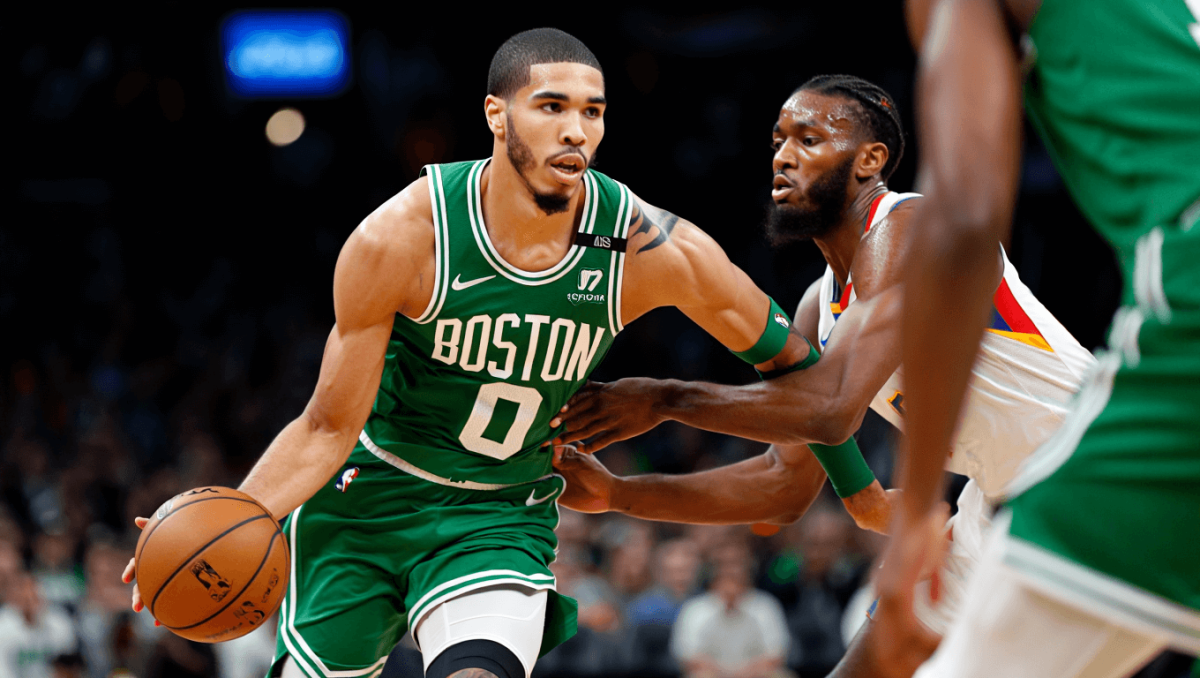
Jayson Tatum’s long-awaited return to the court has become a national storyline — and not just because he can score. With the Celtics thin enough to crave a spark, the timing and context of his comeback will shape expectations and test a reputation that some analysts say has outpaced the on-court proof. Why this matters now: a high-profile return could sway NBA coverage, ticket demand and how opponents game-plan Boston defensively.
The media momentum around Tatum’s recovery has been relentless. Social feeds, highlight packages and constant injury-status updates have amplified every practice clip and throwaway shot, creating a narrative of a superstar primed to pick up where he left off.
How loud is the chatter?
Michael Page dropped from UFC rankings despite victory: what it means for his career
Viral video shows 81-year-old delivery worker struggling with heavy luggage
Among the league’s injured stars, Tatum has drawn far more attention than some peers as his projected return approaches. Teams and broadcasters are clearly factoring that into scheduling and promotion.
- Tyrese Haliburton – dozens of social updates chronicling his rehab.
- Damian Lillard – regular media appearances and public warmups increased his profile.
- Jayson Tatum – social and broadcast coverage has run into the thousands of posts and clips as the Celtics prepare his comeback.
That attention has a practical effect: national telecasts and marquee matchups are more likely to be scheduled around the return of a star, and narratives built in advance can influence how quickly the public forgives sloppy play or, conversely, how harshly they scrutinize mistakes.
Where the real test will be: defense
Offense sells highlights; defense determines championships. For Boston, the immediate question is not whether Tatum can hit a jumper — it’s whether his presence improves the team’s defensive identity.
There are two separate factors to watch on game night. First, who he is asked to defend. Second, how the team adjusts when opponents attack the rim or run pick-and-rolls that expose rotation weaknesses.
| Key defensive focus | What to watch for |
|---|---|
| Matchup assignment | Does Tatum get the opposing team’s primary scorer or routinely handle lower-usage wings? |
| Rim protection and help defense | How often does he rotate to contest drives, and does that leave his man open? |
| Foul management | Is he aggressive without picking up early fouls that limit minutes and impact? |
The optics of a comeback — first dribble, first fastbreak assist, first three — will dominate instant reaction. But a deeper look should focus on assignments and consistency. A scorer can mask defensive lapses in the box score; a team’s defensive efficiency and rotations reveal more over a sequence of possessions.
Context matters for Celtics and opponents
Boston’s schedule and national exposure will shape both public expectation and tactical decisions by opponents. A return on a marquee broadcast night elevates scrutiny; a lower-profile matchup offers a gentler ramp-up. Coaches on both sides will calibrate minutes and defensive matchups based on foul risk and workload concerns.
For Celtics fans, fantasy managers and bettors, the immediate implications are tangible: rotations could tighten, bench roles may shift, and short-term betting lines could move depending on how Tatum is used early in his comeback.
Here’s what to monitor in the first week back:
- Which opponent he is primarily guarding each quarter.
- How many minutes he plays in the opener and whether those minutes increase quickly.
- Rate of contested shots forced versus opponent field-goal percentage at the rim.
- Any signs of cautious play to avoid contact that previously limited his mobility.
Ultimately, the cleaner indicator of Tatum’s impact will be more than highlight-reel plays. If his return shifts matchups so Boston can defend opponents’ best scorers more effectively, the narrative of a successful comeback will stand on firmer ground. If he resumes a role that leans on offense while avoiding challenging defensive assignments, critics will have fresh material.
When he steps back onto the hardwood, watch the little things — defensive rotations, closeouts, who he’s asked to stop. Those possessions will tell a more useful story than any celebratory montage.