Show summary Hide summary
A Maryland man says treatment with a semaglutide medication led to sudden, irreversible vision loss in both eyes, a claim that has become part of widening litigation over GLP-1 drugs as their use surges for diabetes and weight control. The case raises fresh questions about whether patients and physicians are being adequately informed of a rare optic-nerve condition that can cause permanent blindness.
Todd Engel, 63, began taking Ozempic in 2023 to manage type 2 diabetes. Within months he developed symptoms that doctors later identified as NAION — nonarteritic anterior ischemic optic neuropathy, a condition caused by reduced blood flow to the optic nerve. Tests did not point to the usual risk factors, his family says, and Engel stopped the drug only after his second eye was affected.
What happened and why it matters now
Kankakee District 111 invites residents to weigh in: proposed boundary plan could reassign students
Aaron Rodgers: set to snap Browns’ hottest streak
The significance of Engel’s case extends beyond one family: GLP-1 drugs such as semaglutide and related therapies are being prescribed more widely, and hundreds of patients have since filed lawsuits claiming similar vision injuries. Regulators and drugmakers say the evidence remains inconclusive, but the sheer number of complaints has prompted renewed scrutiny and calls for clearer warnings.
| When | Event | Outcome |
|---|---|---|
| 2023 | Engel began semaglutide therapy (Ozempic) for diabetes | Initial improvement in weight/diabetes management reported |
| ~4 months later | Diagnosed with optic nerve damage (NAION) in one eye | Partial vision loss; further testing at specialty center |
| ~10 months after start | Sudden vision loss in the second eye | Declared legally blind; stopped medication |
| Present | Engel files suit against manufacturer; joins nationwide litigation | Company disputes causal link; case ongoing |
Life after the diagnosis
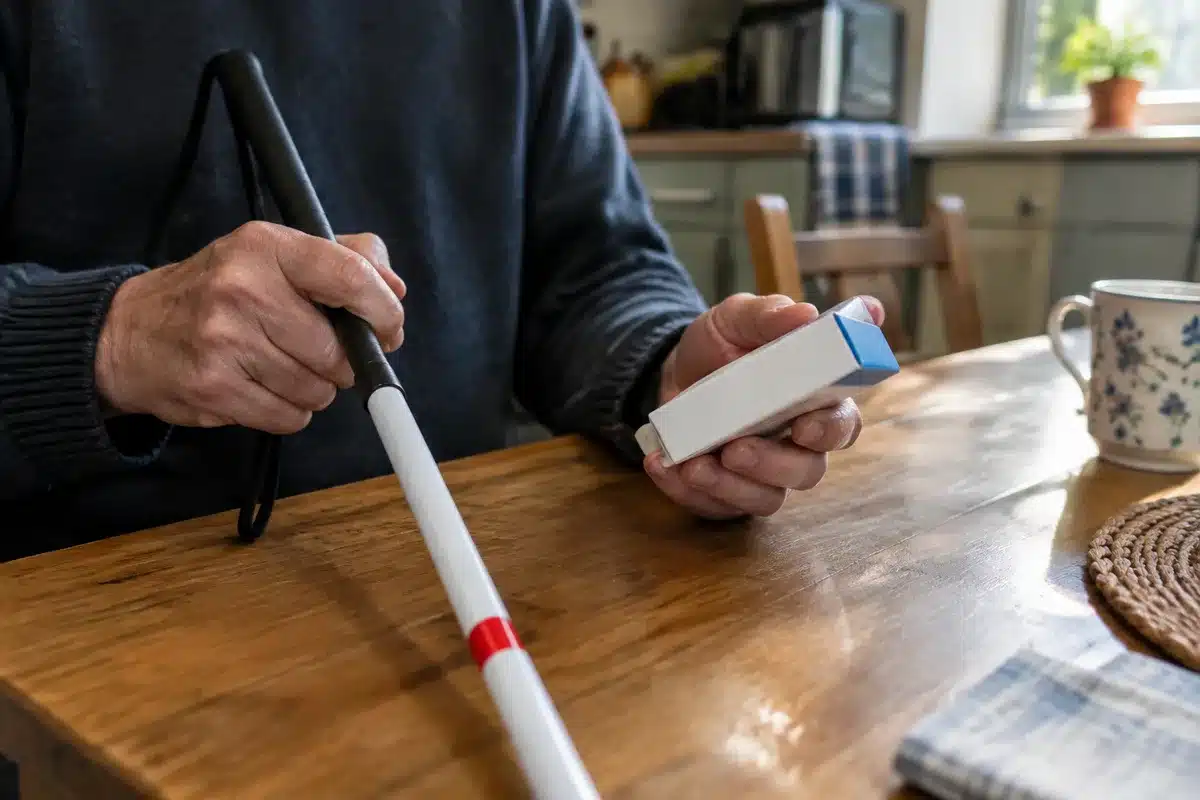
Before his illness, Engel worked for decades operating heavy equipment and driving commercially. That career is effectively over; he says everyday tasks he once took for granted — reading, navigating his home, recognizing faces — have been lost. Family members now assist with basic movement and household routines, and Engel uses a white cane outside the house.

His wife describes a household transformed by the injury. They are publicly sharing their experience in hopes others will be better informed when considering these drugs.
Medical context and current evidence
NAION is an uncommon condition that produces sudden optic-nerve dysfunction and can lead to permanent vision loss. Known risk factors include small optic nerve anatomy, vascular disease and very low blood pressure during sleep, but investigators are still studying whether GLP-1 receptor agonists like semaglutide increase risk in some patients.

Drugmaker Novo Nordisk has said analyses of its randomized clinical trials showed very few confirmed NAION cases and no clear increase among people taking semaglutide. The company also states it continues routine safety monitoring and considers the U.S. lawsuits without merit.
Legal and regulatory developments
Engel’s complaint accuses the manufacturer of failing to warn doctors and patients about a possible association between semaglutide and optic-nerve damage. His attorney is among the lead counsel in broader litigation that includes claims tied to Ozempic, Wegovy, Mounjaro and other GLP-1 drugs.
Part of the legal push seeks a U.S. label update similar to language already included in some European product information, according to the family’s lawyer. Regulators and courts will weigh currently available data as cases proceed.
Practical information for patients
Experts stress that a definitive causal link has not been established, but because the reported outcome is severe, patients taking GLP-1 drugs should be aware and discuss risks with their clinicians. The following points summarize commonly recommended actions and warning signs:
- Discuss personal risk — Talk with your prescribing doctor about your eye health history and individual risk factors before starting or continuing a GLP-1 medication.
- Know the symptoms — Sudden loss of vision, a shadow or curtain over part of your vision, or abrupt changes in sight require immediate medical attention.
- Seek urgent evaluation — If you experience sudden visual changes, contact an eye specialist or emergency services without delay.
- Keep records — Document medication start dates and any visual symptoms; this information can be important for clinical care and, if relevant, legal processes.
- Report adverse events — Inform your healthcare provider and report suspected medication side effects to regulatory agencies so surveillance data can improve.
Where the debate stands
Calls for clearer labeling and more research are likely to continue as litigation unfolds and postmarket data accumulate. For now, manufacturers maintain that randomized trial data do not show a causal relationship, while patients and some clinicians point to rising reports of vision events after exposure to these drugs.
The take-home for readers: as GLP-1 therapies become more prevalent, awareness of potential, even if rare, adverse outcomes is crucial. Discuss benefits and risks with a qualified clinician and seek prompt care for any sudden changes in vision.