Show summary Hide summary
As Americans live longer, routine eye care is becoming more important than ever: everyday behaviors may be accelerating vision problems that once appeared only in later life, experts say. Dr. Douglas Lazzaro of NYU Langone warns that several common habits — from skipping sunglasses to poor sleep — are linked to conditions that can silently reduce sight.
Sun exposure without protection
Long-term ultraviolet light can harm the lens and retina, contributing to earlier-onset cataracts and raising the risk of macular degeneration, ophthalmologists say. In his clinical work, Dr. Lazzaro notes he is seeing cataracts develop about five to 10 years sooner than in previous generations.
Counterfeit watches: $28 million in luxury fakes intercepted at O’Hare
Brewers: Jacob Misiorowski delivers dominant outing that changes rotation outlook

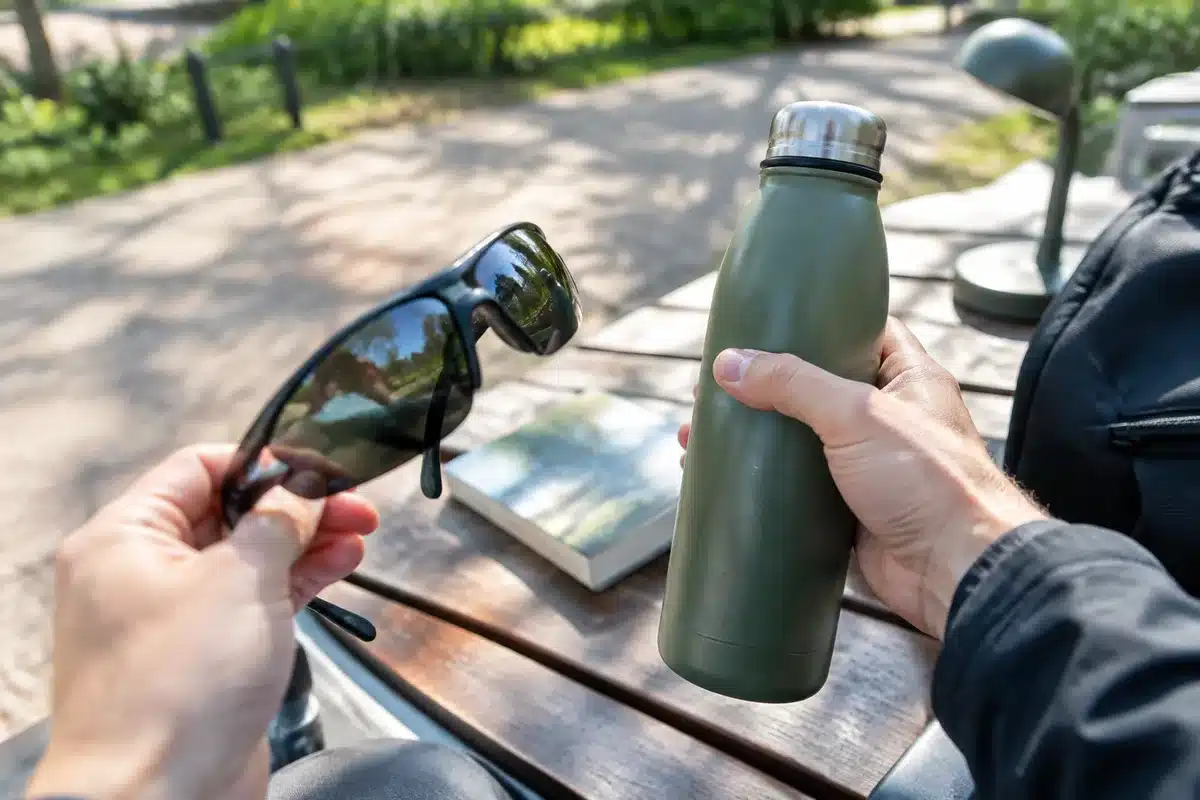
Practical step: when daylight is intense, choose wraparound sunglasses with UV protection to shield both the lens and the back of the eye.
Reading in dim light
Poor lighting forces the eyes to work harder, increasing strain and making focus more difficult, particularly as the eye’s ability to adjust declines with age. Improving local lighting for close tasks reduces fatigue and helps maintain comfortable vision.
Unhealthy diet and cardiovascular risk
A diet high in unhealthy fats and sugars contributes to conditions such as diabetes, high cholesterol and hypertension, all of which can impair retinal health. Researchers are also beginning to explore possible links between gut health and the retina, though that work is still preliminary.
Good nutrition supports both heart and eye health; controlling blood sugar and blood pressure can reduce the progression of diabetic eye disease.
Not drinking enough fluids
As people age they’re more prone to dry eye, a condition in which reduced tear and oil production leaves the surface of the eye irritated. Dehydration magnifies that problem by depriving the cornea of needed moisture.

Tip: maintain regular fluid intake, especially on hot days or during prolonged outdoor activity, to help keep the ocular surface lubricated.
Poor or interrupted sleep
Sleep disorders, including obstructive sleep apnea, are associated with higher eye pressure and a greater frequency of vascular eye problems. Poor sleep can produce nightly circulatory fluctuations that may raise the risk of glaucoma and other conditions affecting sight.
Frequent eye rubbing
Repeated rubbing is linked with changes in corneal shape and is considered a risk factor for keratoconus, a disorder in which the cornea thins and bulges outward. While experts debate whether rubbing is a direct cause, clinicians commonly advise patients to avoid the habit because it can worsen corneal distortion over time.
Delaying routine eye exams
Many serious eye diseases — notably glaucoma — produce little or no early symptoms. A comprehensive ophthalmic exam is often the only way to detect these conditions before irreversible damage occurs.
Dr. Lazzaro recommends annual eye checks for adults rather than waiting for noticeable vision changes. Routine visits should also include inspection of the skin and eyelids, since sun-related eyelid cancers become more common with age and are easier to treat if found early.
- Wear UV-blocking sunglasses whenever sunlight is bright.
- Use adequate lighting for reading and close work to reduce strain.
- Follow a balanced diet to lower diabetes and vascular risk factors.
- Stay hydrated to help prevent dry eye symptoms.
- Address sleep problems, including screening for sleep apnea if symptoms exist.
- Avoid rubbing your eyes; use lubricating drops if they feel irritated.
- Get annual comprehensive eye exams and eyelid checks, even when vision seems fine.
Why this matters now: with an aging population and daily exposures that accumulate over decades, small lifestyle changes and timely medical visits can significantly reduce the chance of permanent vision loss. Early detection through routine exams remains the most reliable defense against many blinding diseases.