Show summary Hide summary
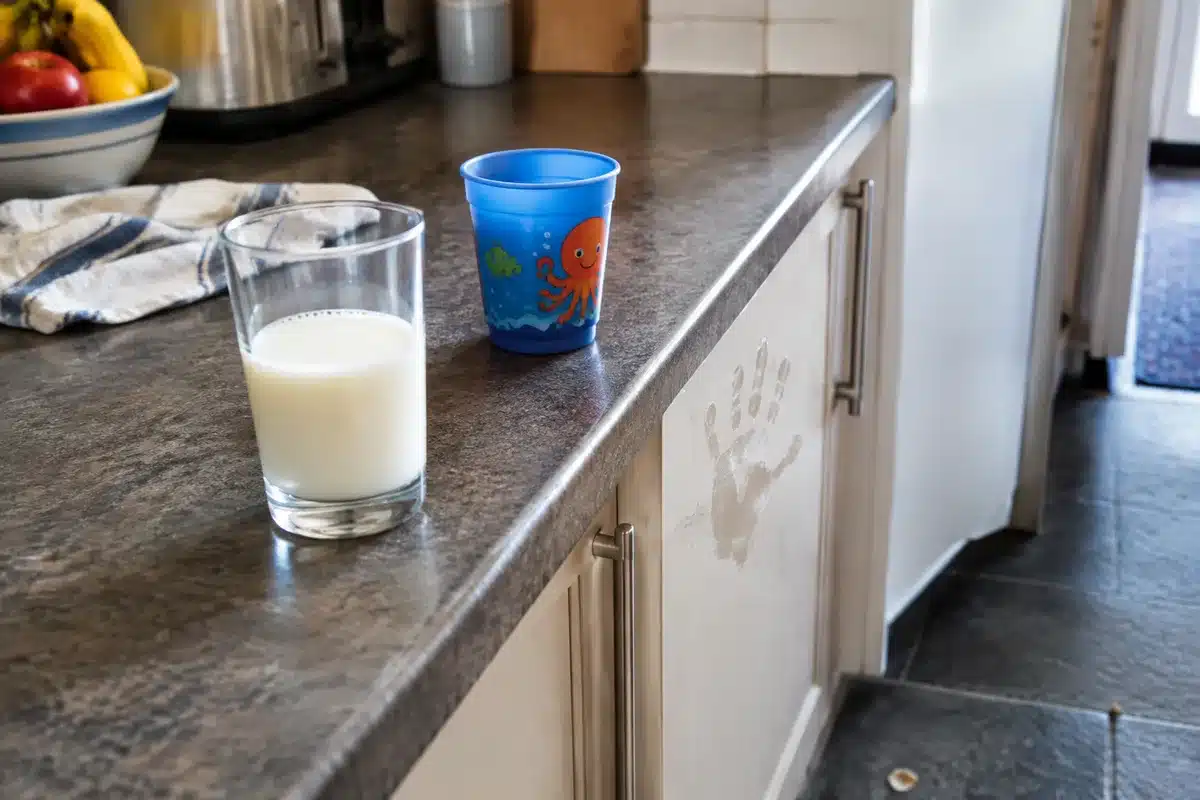
A recent hospitalization of a toddler after drinking unpasteurized milk has reignited calls from pediatricians for a nationwide ban on raw dairy. Medical experts say the episode highlights enduring public-health concerns and the uneven patchwork of state laws that leave young children exposed.
Health authorities including the American Academy of Pediatrics and the Centers for Disease Control and Prevention have long warned that raw milk can carry dangerous bacteria. In this latest case, physicians treating the child described a severe infection requiring urgent hospital care—an outcome pediatric specialists say is preventable when milk is pasteurized.
How raw milk can make people sick
Kankakee County District 28 candidate Nathan Benoit reveals priorities in 2026 questionnaire
Terence Crawford turns fight earnings into a growing fortune: inside his investment strategy
Unpasteurized milk can harbor pathogens such as E. coli, Salmonella and Listeria. These organisms may cause symptoms ranging from diarrhea and fever to life-threatening complications. Young children are particularly vulnerable: infections can lead to dehydration, seizures, or kidney damage known as hemolytic uremic syndrome (HUS).
Because raw milk looks, tastes and smells like regular milk, early symptoms may be mistaken for routine stomach flu. That delay can allow an infection to progress before medical care is sought.
What pediatricians are recommending now
Clinicians say the recent near-fatal illness strengthens their argument for stronger regulation. Their central point: pasteurization is a simple, proven method to remove dangerous bacteria without altering the nutritional value of milk.

- Immediate medical steps: If a child develops bloody diarrhea, high fever, persistent vomiting, or signs of dehydration after consuming raw milk, seek emergency care and tell clinicians the exposure history.
- Prevention: Use only pasteurized dairy products for infants and young children; avoid unpasteurized milk, cheese and other dairy from unlicensed sources.
- Policy stance: Pediatric groups are urging lawmakers to restrict or ban the sale of raw milk, particularly where children are likely to be exposed.
Who is most at risk
| Group | Why they are vulnerable |
|---|---|
| Infants and toddlers | Immature immune systems and greater risk of severe dehydration and complications |
| Pregnant people | Greater risk of Listeria infection, which can harm the fetus |
| Elderly and immunocompromised | Weakened defenses increase likelihood of severe disease |
The legal landscape complicates prevention. Some states permit the retail sale of raw milk, others allow limited on-farm sales, and several ban it outright. Public-health advocates say that variability undermines consistent protections for children and other high-risk groups.
Supporters of raw milk sales often frame the issue as consumer choice and small-farm economic survival. Pediatricians counter that the stakes are different when the choice affects infants and toddlers who cannot protect themselves.
As regulators and legislators weigh proposals, the incident involving the toddler is likely to figure in debates about whether state or federal action is needed to limit access to unpasteurized dairy. For families, doctors emphasize one clear takeaway: pasteurized milk is the safer option, especially for the youngest members of the household.