
Show summary Hide summary
Terence Crawford’s paydays in the ring are well known; what’s drawing fresh attention is how he has parked that money. Reports suggest the undefeated boxer has built a diversified financial base that prioritizes stability over flashy spending—a model gaining relevance as elite athletes face longer careers and uncertain retirements.
Real estate at the center of the plan
Multiple sources report that Crawford’s largest investments are in property. He is said to hold roughly 80 properties across several U.S. markets, with more than 40 classified as residential and several multi-unit complexes and commercial spaces included in the tally.
Kankakee County District 28 candidate Nathan Benoit reveals priorities in 2026 questionnaire
Terence Crawford turns fight earnings into a growing fortune: inside his investment strategy
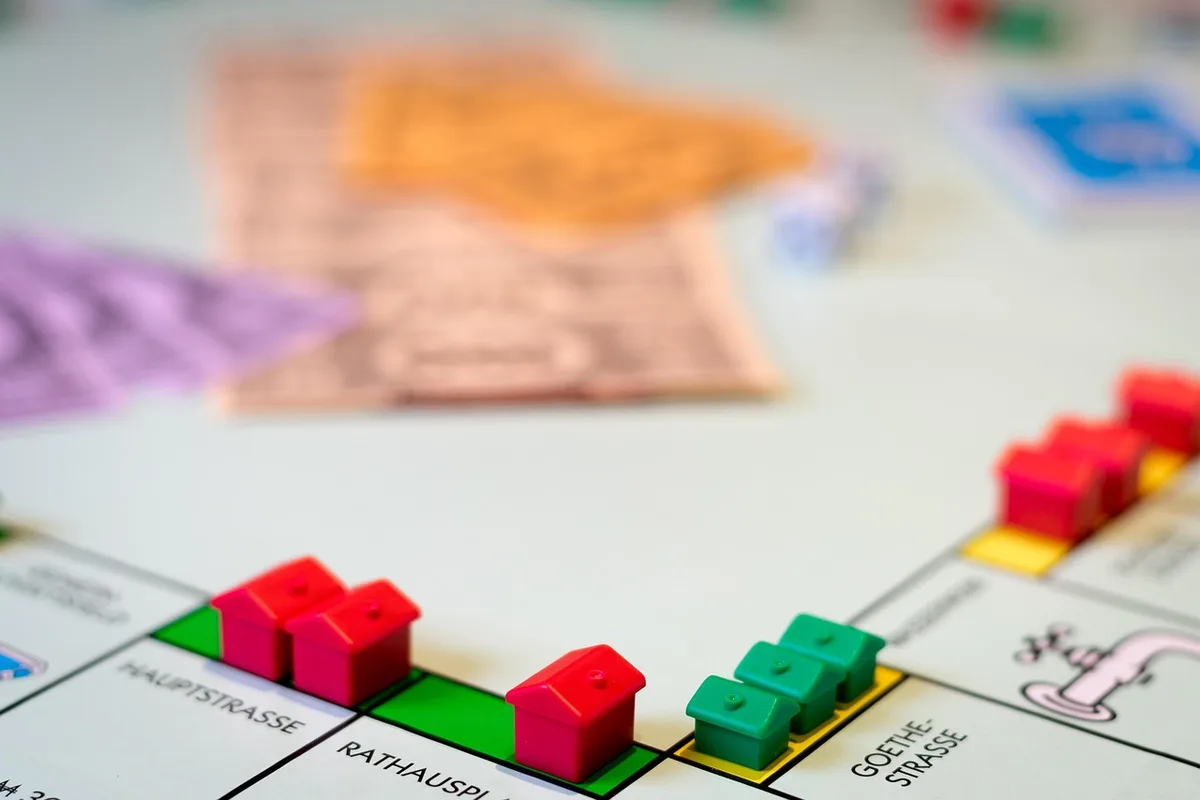
What stands out is the purchase method: a significant portion of those acquisitions were reportedly made in cash rather than financed through mortgages. That strategy reduces borrowing risk and can simplify management, particularly for an owner who spends time traveling for training and fights.
He has also kept a foothold in his hometown, maintaining a reported $3 million mansion in Omaha where he still lives between bouts. Reports indicate he continues to look for opportunities to expand—Las Vegas has been mentioned as a potential target for future purchases.
Advice from Omaha’s most famous investor
Crawford’s apparent financial caution extends beyond bricks and mortar. Sources say he sought counsel from Warren Buffett, another Omaha native whose long-term investing philosophy is widely followed.

Public details about Crawford’s stock holdings are limited, but available information suggests a conservative posture: diversified positions intended to preserve capital rather than speculative bets. That approach aligns with a broader aim to convert fight earnings into lasting wealth, not short-term consumption.
For athletes whose incomes can spike and fall quickly, such restraint can make a decisive difference over time.
Collectibles and income streams
Alongside property and equities, Crawford is reported to own luxury watches and to have cultivated long-term sponsorships. These items serve different purposes: watches as durable, appreciating collectibles, and partnerships as steady income that can continue beyond an athlete’s peak competitive years.
- Real estate: ~80 properties, mixed residential and commercial
- Primary residence: $3 million home in Omaha
- Equities: Conservative, less publicly documented
- Other assets: Luxury watch collection and long-term sponsorships
| Asset type | Reported scale |
|---|---|
| Properties | About 80 (including >40 residential) |
| Residential complexes | Several multi-unit holdings |
| Primary home | $3 million mansion in Omaha |
| Sponsorships & collectibles | Long-term deals; luxury watches |
Whether Crawford’s strategy will outlast his active career depends on management, market cycles and the choices athletes make after they stop competing. Still, his reported emphasis on real assets, conservative equity exposure and recurring sponsorship revenue offers a clear contrast to the high-spend narratives that sometimes follow major paydays.
In the current landscape—where athletes are negotiating ever-larger contracts and commercial deals—Crawford’s approach is a timely example of how disciplined planning can translate peak earnings into longer-term financial security.