Wholesale inflation cooled in June, easing short-term pressure on policymakers but leaving a clear risk: energy-driven price swings could still push costs back up. The Labor Department’s latest data show producer prices falling month-to-month even as year‑over‑year inflation remains well above the Federal Reserve’s target.
The government reported the producer price index declined 0.3% from May — the largest monthly drop since April 2025 and a reversal after a 0.6% rise the previous month. On an annual basis, wholesale prices were 5.5% higher than a year earlier, down from a 6.0% year‑over‑year increase in May.
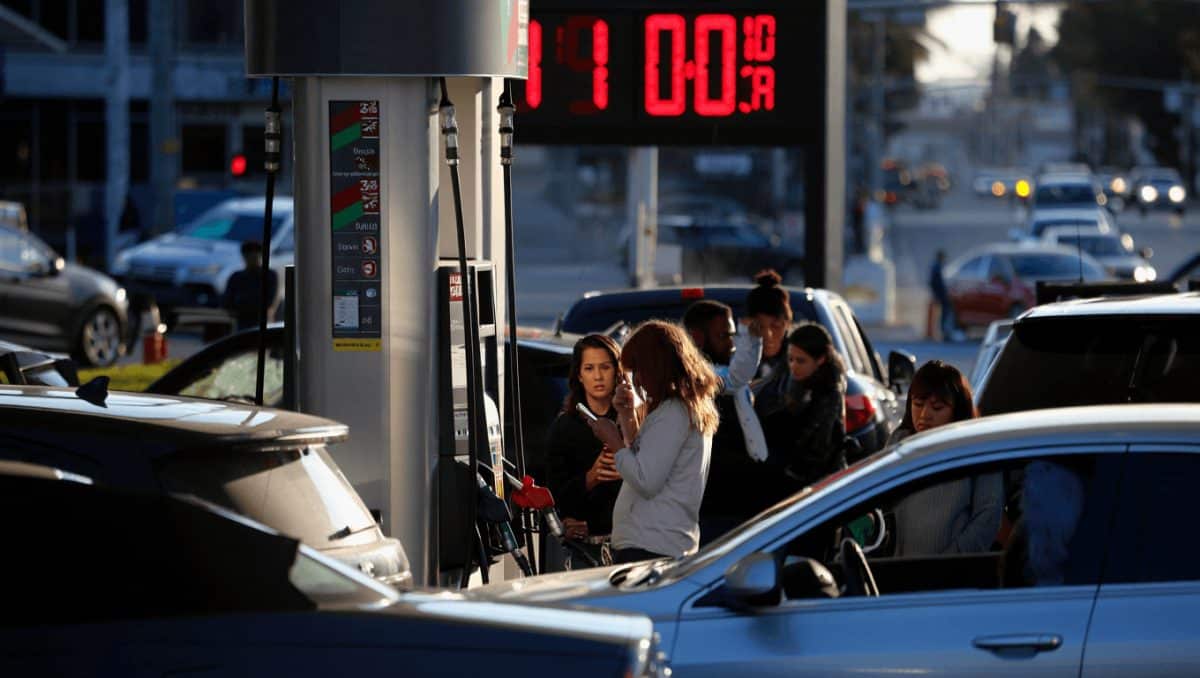
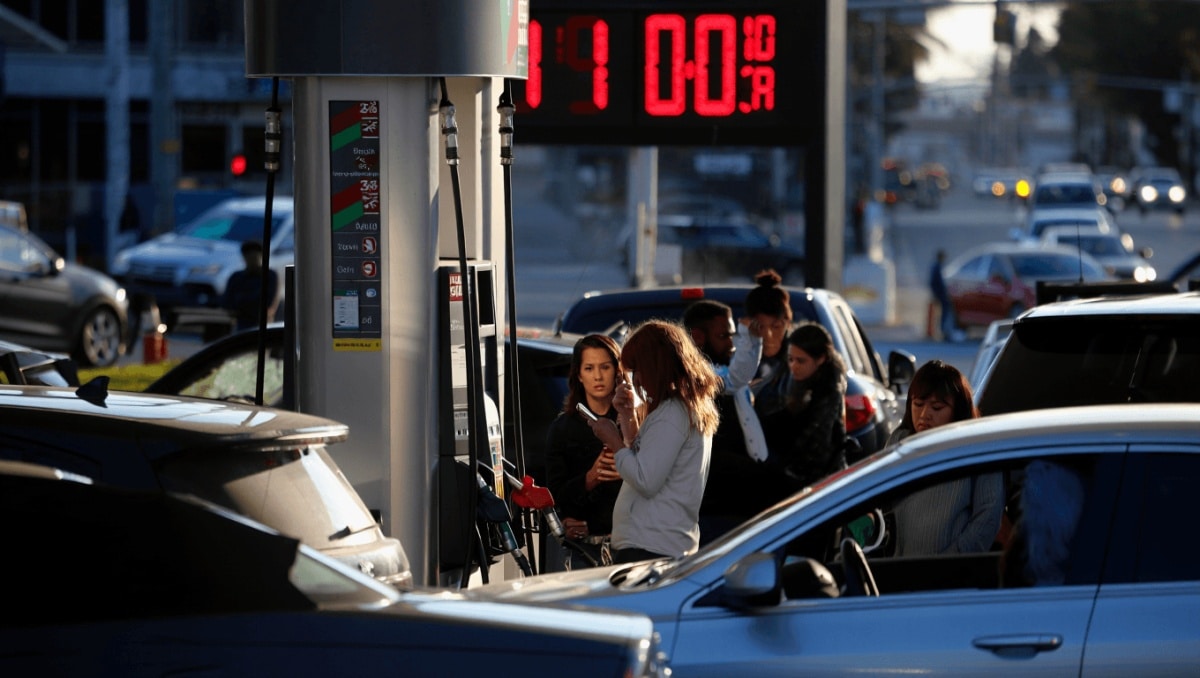
Energy was the dominant mover. Gasoline costs tumbled about 12% in June, but they remain nearly 43% higher than June 2025, a surge linked to disruptions after President Trump announced a new blockade in the Strait of Hormuz. Grocery-related wholesale costs also eased during the month.
Brewers emerge as top suitor for Tarik Skubal in blockbuster trade talks
US stocks sit 0.5% below record as oil surges: investors shrug off rising energy costs
Strip out volatile food and fuel components and the so‑called core wholesale index rose 4.7% from a year earlier and edged up 0.2% from May.
- PPI (month): -0.3% (June vs. May)
- PPI (year): +5.5% (June vs. June a year earlier)
- Core PPI (year): +4.7%
- CPI (month): -0.4% (consumer prices fell in June)
- CPI (year): +3.5% (down from 4.2% in May)
- Gasoline: -12% in June but ~+43% year‑over‑year
Those consumer price figures were released a day earlier and showed a sharper monthly drop than economists expected. The cooling in both producer and consumer metrics has softened near‑term expectations that the Fed will resume raising interest rates this year.
Speaking to Congress in his first appearance since taking over as Fed chair on May 22, Kevin Warsh stressed the central bank’s determination to bring inflation down and signaled vigilance against any persistent reacceleration. Economists note the Fed watches wholesale measures closely because components such as healthcare and financial services feed into the Fed’s preferred inflation gauge, the personal consumption expenditures (PCE) index.
Market strategists caution that the lull could be fragile. David Russell, global head of market strategy at TradeStation, said energy’s improvement helped the June numbers but warned that sustained disruption in the Strait of Hormuz would quickly alter the outlook.
Why this matters now: lower wholesale and consumer inflation reduces the immediate case for higher interest rates, which can affect borrowing costs, mortgage rates and financial markets. But energy remains a wildcard — a renewed uptick in oil prices could reverse the recent gains and force policymakers back into action.
Investors, businesses and households should watch three things in the coming weeks: ongoing energy price movements, monthly readings of producer and consumer inflation, and signals from the Fed about how durable the disinflation trend appears. Together they will determine whether June represents a turning point or just a temporary pause.