Show summary Hide summary
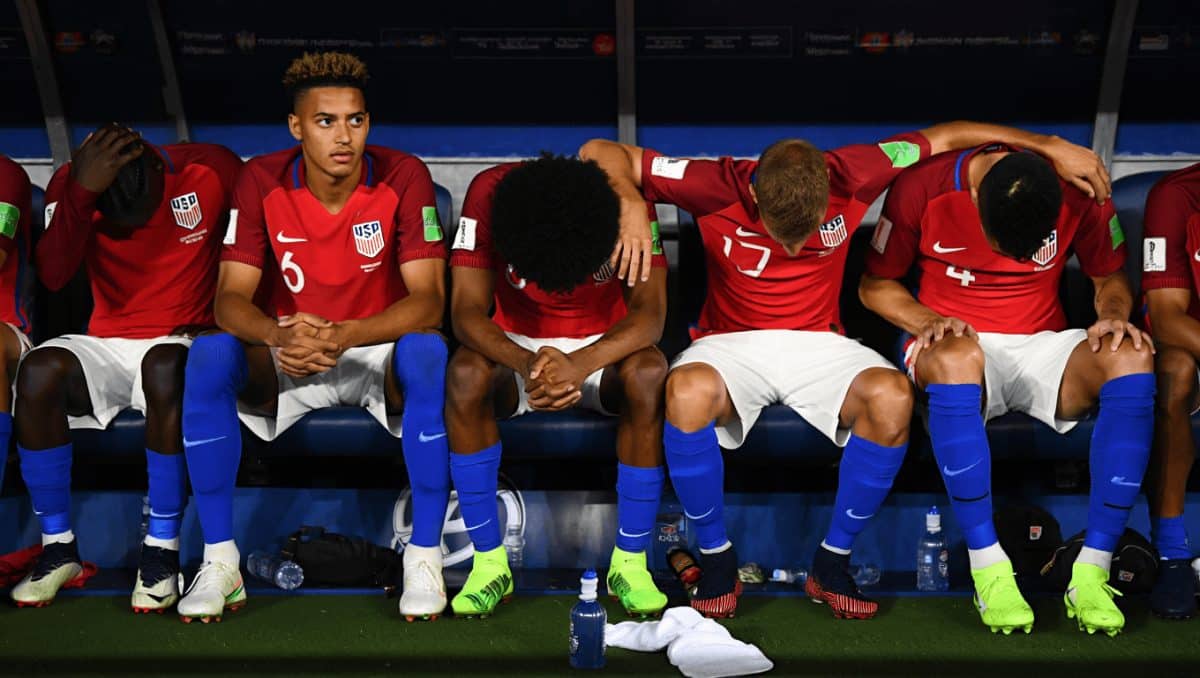
A lopsided 4-1 defeat to Belgium has intensified questions about the US men’s national team — but the fallout reaches beyond one match. What’s really at stake is the country’s talent pipeline: injuries and performance gaps on the field are symptoms of deeper, systemic issues off it.
Softness is an easy label — but incomplete
Critics have described the current roster as lacking grit, a tidy explanation for underperformance that travels well on social feeds. Yet that shorthand obscures more measurable problems: recurring injuries to key players, uneven depth across positions, and limited exposure to elite competition for many prospects.
Take Christian Pulisic. He arrived at this World Cup struggling for continuity after missing key matches with physical issues and skipping last summer’s Gold Cup to preserve his season. Whether those absences reflect preparation, bad luck or sheer wear-and-tear, the result is the same: two major tournaments during his peak years where availability became a headline more than on-field impact.
Brewers emerge as top suitor for Tarik Skubal in blockbuster trade talks
US stocks sit 0.5% below record as oil surges: investors shrug off rising energy costs
How youth sports business models constrain development
The recurring theme from youth coaches and club directors is clear: access matters. In the United States, high-level youth soccer is tightly coupled to a commercial ecosystem that often restricts opportunities to families who can pay. That structure tends to reward short-term winning and revenue generation rather than long-term player growth.
As a consequence, many talented youngsters never get sustained, affordable access to quality coaching and competitive minutes. Countries that consistently produce world-class players typically offer lower-cost entry points and emphasize staged development over immediate results.
Some American academies break the mold. Clubs such as FC Dallas have shepherded players like Chris Richards and Weston McKennie from academy ranks to professional careers in Europe, showing what structured, affordable development can achieve when prioritized.
- Pay-to-play models narrow the talent pool by excluding families with limited resources.
- Travel clubs that promise scholarships tend to emphasize winning at youth levels rather than technical and tactical growth.
- Short-term decision-making at the club level can undermine a player’s long-term readiness for international competition.
Wider consequences for American sport
The risk is not confined to soccer. Outside of American football, many top professional leagues are increasingly globalized; the best athletes in basketball, baseball and hockey often come from outside the U.S. If youth pathways remain expensive and fragmented, the nation’s edge in producing elite talent could erode further.
Practical adjustments that could matter
Changing a multi-billion-dollar youth sports market is difficult, but some reforms could reduce waste and widen access. These options won’t fix everything overnight, but they would tackle the pipelines that funnel talent into — or out of — elite soccer.
- Invest in community-based, low-cost youth academies that prioritize coaching quality over short-term results.
- Create incentives for professional clubs to place more players into local development programs rather than fee-driven travel circuits.
- Expand scouting and scholarship systems that identify prospects regardless of ability to pay.
- Strengthen sports-medicine and load-management support for young athletes to reduce chronic injury risk.
These steps require coordinated action from federations, clubs and local governments. The alternative is a steady narrowing of opportunity, which will make headline losses — like the one against Belgium — less an anomaly and more a predictable outcome.
What happens next matters for a generation of players and for the broader health of American sport. Addressing the economic barriers in youth development offers the most durable path to change; without it, criticism of “softness” on the field will keep missing the point.