Show summary Hide summary
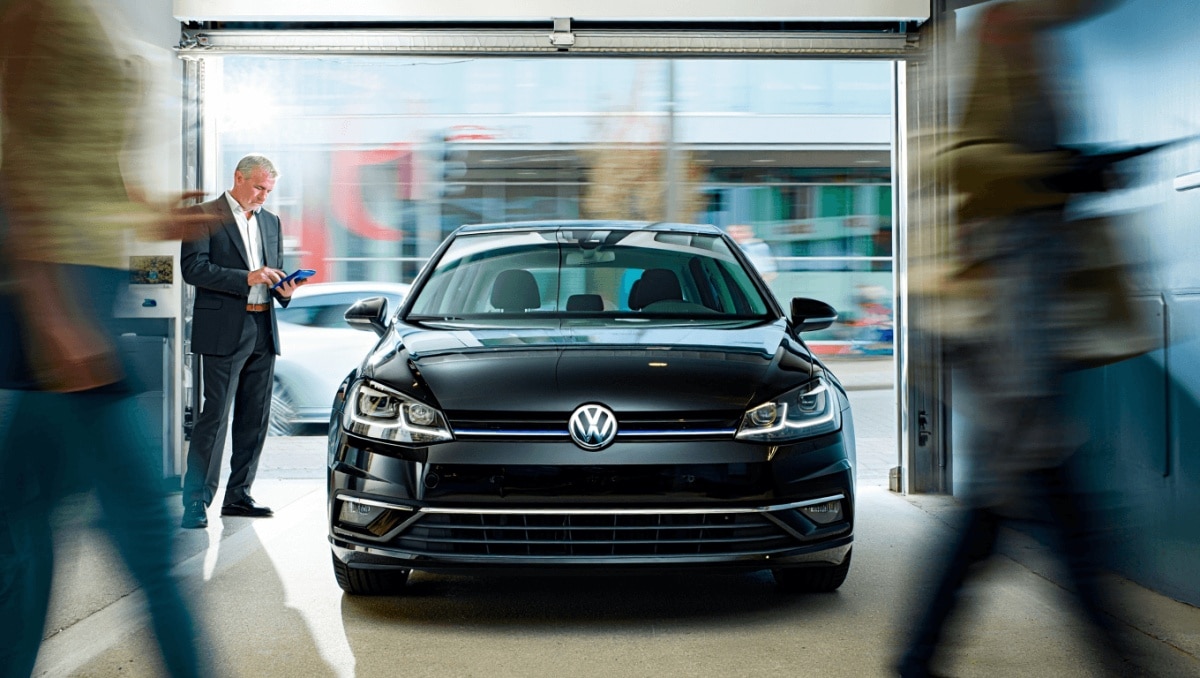
Volkswagen signaled a major shift in strategy on Thursday as it moved into a new phase of restructuring amid falling sales and mounting pressure from competitors and regulators. The automaker reported a sharp quarterly decline and announced plans to sharply shrink its model lineup — a decision that could reshape production, jobs and its push into electric vehicles.
What the company revealed
Group deliveries dropped year-on-year in the second quarter, leaving Volkswagen with fewer than 2.1 million vehicles sold across its brands. The decline was especially severe in China, where volumes fell by more than a third — a worrying development for a market the group once treated as central to its growth.
Amazon satellite internet launches in South Africa: Starlink rollout trails behind
MLB playoff picture: 11 teams all but eliminated
At a board meeting, management described the move as the next stage of a multi-year strategic overhaul and said it would cut the number of models on sale by as much as half. The company did not provide a timetable or a brand-by-brand list of reductions.
Chief Executive Oliver Blume framed the adjustments as efforts to reduce internal complexity, concentrate investment on selected technologies, better harmonize regional lineups and reduce surplus capacity so the group can act faster in a tougher global environment.
| Brand | Q2 deliveries (approx.) | Year-on-year change |
|---|---|---|
| Volkswagen (core) | Just above 1,000,000 | About -14% |
| Audi | — | -8% |
| Porsche | — | -18% |
| Lamborghini / Škoda / Trucks | — | Grew (small upticks) |
The group reported stronger performance in the Americas and Europe, while several premium and performance brands continued to add units.
Why this matters now
Cutting the model roster and simplifying operations are immediate attempts to protect margins as the industry faces higher costs from tariffs, tighter regulation and geopolitical uncertainty. For consumers, the moves could mean fewer variants and possibly faster refresh cycles for the remaining models.
The stakes are particularly high in the electric-car race. Volkswagen has been increasing investment in battery vehicles, but the slump in China — where local rivals are moving quickly on software, range and price — raises questions about how the group will defend or regain market share there.
- Jobs and plants: Workers have already reacted. Hundreds protested outside the Zwickau factory this week demanding job guarantees and opposing closure plans; that plant now builds only electric models.
- Competitive pressure: Analysts warn that Chinese manufacturers are innovating rapidly, which complicates Volkswagen’s claim of extending technology leadership.
- Investor focus: Markets will watch for details on which models are cut, where investment will be concentrated and whether cost savings will be enough to offset weaker sales.
Analyst reaction and next steps
Some research houses greeted the announcement with caution. One noted that expanding technology leadership while trimming the portfolio will be difficult given the speed of rivals in China and elsewhere.
Management has set a broad direction but left many specifics unanswered. Key items to watch in the coming weeks and months are a list of models to be discontinued, timelines for factory changes, any restructuring plans affecting jobs, and shifts in R&D and capital spending toward software and electrification.
For customers, employees and investors, the coming disclosures will determine whether Volkswagen’s streamlining delivers clearer focus and faster innovation — or whether the company risks losing ground in crucial markets as it retools.