Show summary Hide summary
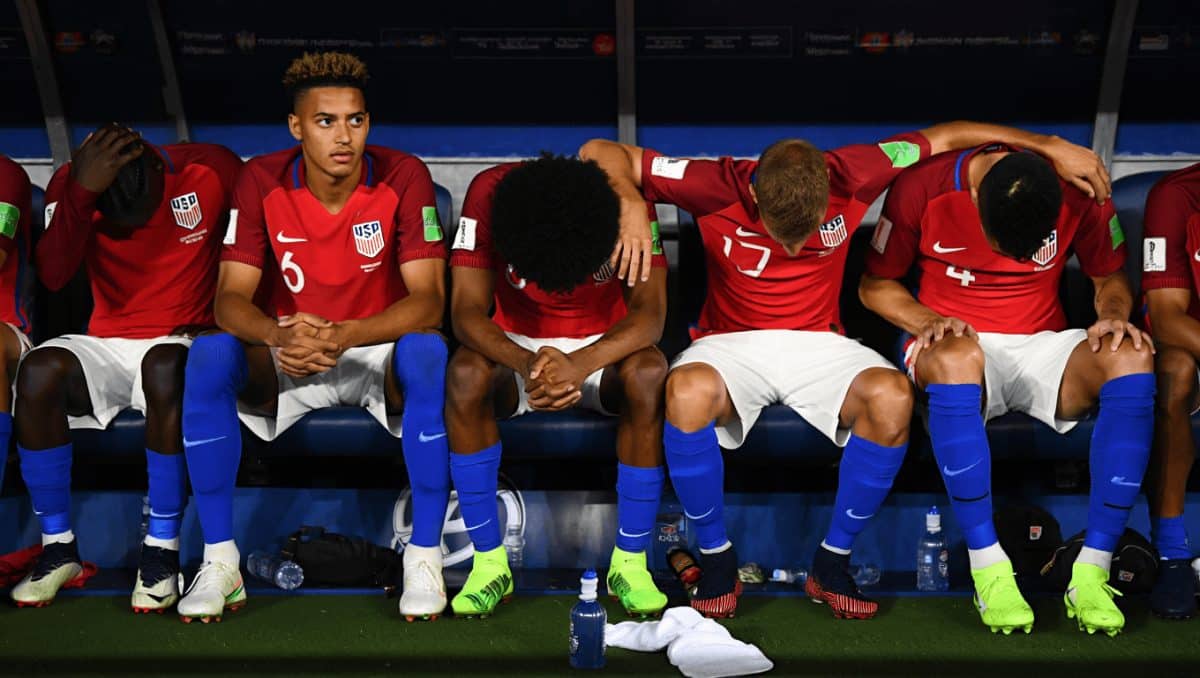
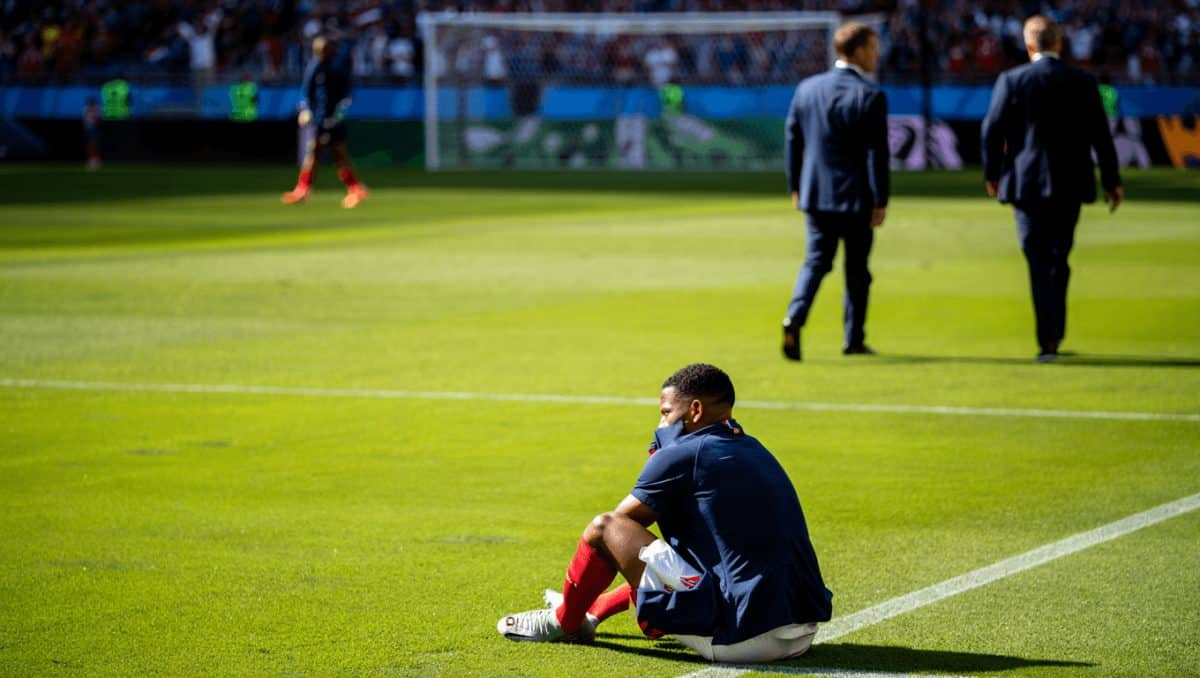
Monday’s 4-1 defeat to Belgium left American soccer at a familiar crossroads: stunned reaction, urgent soul-searching and the same question resurfacing—are we aiming too high or simply aiming the wrong way? The immediate fallout makes one thing clear: the debate now matters because it will shape decisions about coaching, youth development and realistic targets for the next decade.
The result was ugly and definitive on the night, but it should not be mistaken for a complete failure of the U.S. system. The team’s performance reflected tactical mistakes and nerves as much as long-term structural weaknesses. Still, the broader reaction—treating the loss as a single verdict on talent pipelines—reveals a recurring American habit: swing from euphoria to despair without mapping a steady path forward.
Why modest, measurable goals matter now
For years U.S. Soccer has oscillated between two narratives: the belief that the country can rapidly become a global superpower and the sudden resignation that the project has failed. That binary thinking obscures the more useful comparison: nations like Belgium, Croatia, Morocco and Uruguay. They are not perennial champions, but they consistently produce world-class players and make deep tournament runs when circumstances align.
Brewers emerge as top suitor for Tarik Skubal in blockbuster trade talks
US stocks sit 0.5% below record as oil surges: investors shrug off rising energy costs
That is a more relevant blueprint for the U.S. than asking to match France or Argentina overnight. Incremental progress—repeated knockout appearances, stable coaching, steady talent export—translates into real change without becoming paralyzing or delusional.
Where things stand: progress, limits and immediate problems
Over the past generation, academy systems and MLS development initiatives have raised the baseline level of American players. That progress is real but gradual; it rarely shows up as seismic improvement from one tournament to the next.
On the field Monday, the squad had individual quality that suggested a chance against Belgium, yet lacked the composure and game management to convert potential into result. Injuries and form—most notably fitness questions around key attackers and delayed breakthroughs from promising youngsters—complicated the picture, but they did not tell the whole story.
- Short-term fixes: Tackle coaching clarity and match preparation. Teams that manage tournaments well have clear plans for substitutions, tempo control and crisis response.
- Medium-term targets: Achieve consistent appearances in knockout stages and aim for repeated quarterfinals; those are realistic markers of upward mobility.
- Long-term system goals: Increase the number of U.S.-trained players established in top European leagues and strengthen scouting and coaching at youth levels.
These are not glamorous ambitions, but they are attainable and measurable. They also create a tempo for progress that is easier to sustain politically and financially than a single-minded chase for a title within a short time frame.
Practical implications for stakeholders
For federation leaders, clearer, bite-sized objectives reduce the pressure for headline-grabbing hires and allow for continuity in coaching and scouting. For MLS and clubs, prioritizing loan pathways and competitive minutes for promising players will matter more than sporadic marquee signings. For fans and media, shifting the narrative away from instant success to steady improvement would temper extremes and make evaluation fairer.
None of this denies ambition. Ambition is essential. But ambition without a plan that defines intermediate wins is a recipe for recurring disappointment—celebrating small victories as if they were final and demonizing setbacks as proof the whole project is futile.
Monday’s defeat should prompt sober analysis, not existential panic. If the U.S. can turn moments of high emotion into specific, achievable benchmarks—better tournament management, regular knockout appearances, more players thriving in strong leagues—then the next setbacks will feel like steps in a process rather than proof of collapse.
That shift in expectations is the practical work required now: less fantasy about suddenly joining the sport’s elite, more discipline about becoming reliably good. Over time, reliable becomes competitive—and competitive can become great.