Show summary Hide summary
Bolivia’s president has declared a 90-day state of emergency after five weeks of intense protests over austerity measures, including the removal of long-standing fuel subsidies, that have crippled transport and supplies in the capital. The move comes as mounting shortages, clashes and fatalities raise the prospect of deeper political crisis and international involvement.
Authorities say confrontations between demonstrators and security forces have turned violent in several districts of La Paz, with protesters using explosives in some incidents and police responding with crowd-control operations. Officials report at least 365 arrests and 37 people injured since demonstrations began.
Human rights groups and the national ombudsman warn that most of the confirmed fatalities—at least 17 deaths—are tied to interrupted medical care caused by road blockades, while the government attributes a subset of those deaths to the inability of patients to reach hospitals and cites at least seven such cases.
Michael Page dropped from UFC rankings despite victory: what it means for his career
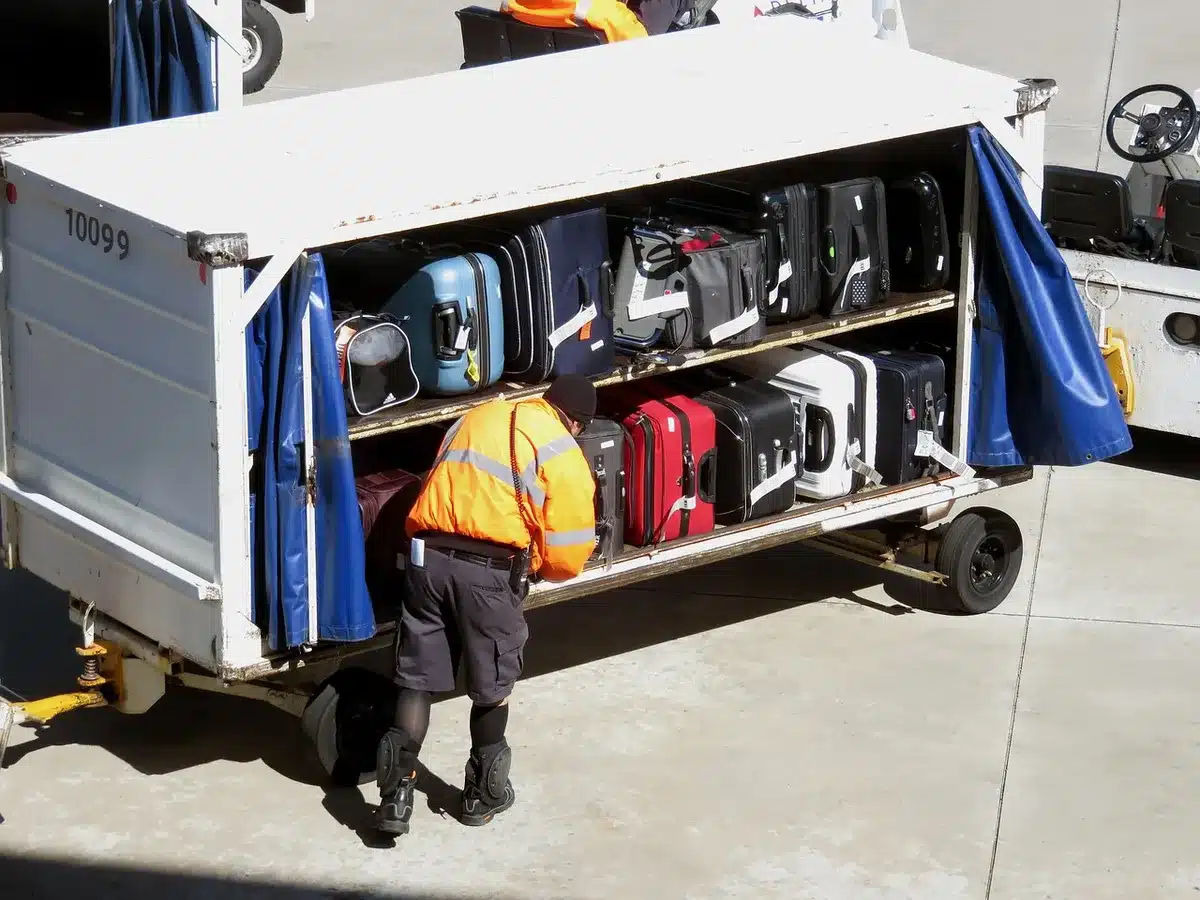
Viral video shows 81-year-old delivery worker struggling with heavy luggage
Why the capital is paralyzed
Barricades on key highways and urban thoroughfares have effectively cut La Paz off from supply lines. Tanker trucks have been stranded for days, fueling shortages that quickly spread to grocery stores and pharmacies. Hospitals report dwindling supplies, including oxygen, as routine transport and scheduled transfers stall.
- Scope: Protests entered a fifth week, led largely by highland Indigenous and rural worker groups who initially backed the previous ruling party.
- Measures opposed: The president’s austerity package, most notably the elimination of fuel subsidies, which critics say has accelerated inflation and harmed vulnerable households.
- Public impact: Empty supermarket shelves, disrupted public transit and limited access to emergency care.
In a televised address, the president framed the emergency decree as a temporary measure to reopen transport routes and secure supplies, not a blanket suspension of civil liberties. The executive order bars demonstrations that block roads or otherwise interrupt transportation and logistics, and authorizes the armed forces to assist police in reopening routes and protecting civilians.
The government says the restriction is time-limited and could be revoked earlier if blockades and threats abate. Critics, however, worry that a prolonged security deployment risks further escalation and could inflame already polarized politics.
Political fallout and stalled reforms
The president, who took office last November after nearly two decades of dominance by the Movement Toward Socialism (MAS) party, campaigned as a centrist intent on fixing chronic fuel shortages and rebuilding public finances. But his austerity steps—intended to refill the central bank and attract investment—have provoked fierce opposition.
Removal of the subsidies helped alleviate some supply shortfalls but also coincided with rising prices and reports that degraded fuel quality damaged thousands of vehicles. Several economic initiatives aimed at drawing foreign capital have stalled in Congress amid mounting political pressure.
Protests have been spearheaded by groups that once supported MAS but now accuse the new government of abandoning rural communities. At the same time, the president faces criticism from both the political right—dominant in the legislature—and elements of the long-ruling left. Former president Evo Morales has publicly backed the demonstrations and called for new elections while remaining outside the capital amid legal pursuits against him.
International response
Washington has signaled backing for the government and moved to provide humanitarian and logistical assistance to relieve shortages caused by the blockades. U.S. officials have also voiced concern about attempts to unseat the elected leadership, while warning that they are monitoring the situation closely.
The president’s decision to request military support to restore order has drawn mixed reactions domestically and abroad, adding another layer of complexity as diplomats, regional actors and aid agencies weigh how to respond to widening shortages and a deteriorating security environment.
The immediate stakes are clear: reopening roads to allow food, fuel and medical supplies into La Paz while avoiding a deeper crackdown that could produce more casualties and political fragmentation. How the president balances those pressures in the coming weeks will shape whether the crisis subsides or intensifies.