U.S. stocks eased from recent highs Tuesday as investors paused to weigh strong corporate earnings against rising oil prices and looming inflation data. The market’s next direction now hinges on whether cooling prices or renewed geopolitical risks will tip the Federal Reserve’s policy path.
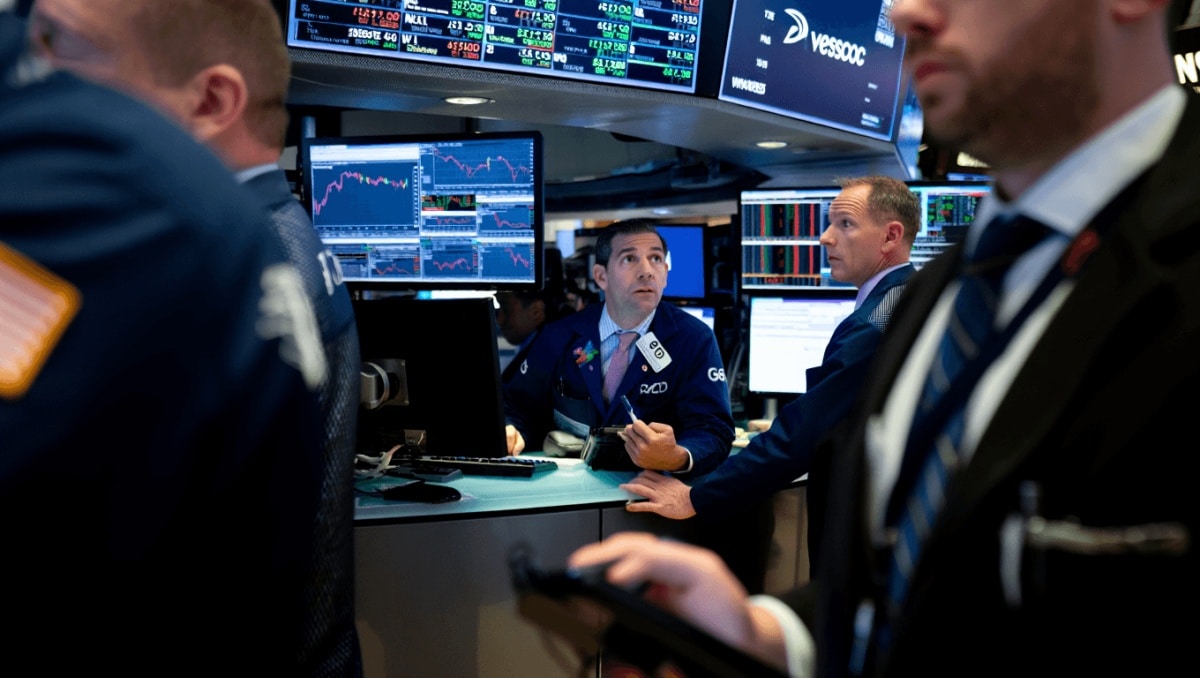
The S&P 500 slipped about 0.1% after trading between small gains and losses, drifting off the record it set on Friday. At 12:43 p.m. Eastern, the Dow Jones Industrial Average was down roughly 114 points (about 0.2%), and the Nasdaq Composite lost near 0.5%.
Wall Street’s rally in recent weeks has been largely earnings-driven. Analysts tracking company reports expect overall earnings per share for S&P 500 firms to be roughly 50% higher year over year for the spring quarter, according to FactSet — the strongest growth rate seen since the rebound following the initial COVID shock.
Michael Page dropped from UFC rankings despite victory: what it means for his career
Viral video shows 81-year-old delivery worker struggling with heavy luggage
Berkshire Hathaway reported better-than-expected results and disclosed new stock investments under CEO Greg Abel, helping lift its shares by about 2.1% and giving the index a noticeable boost. The firm’s moves underscore a broader theme: when major companies deliver robust profits, lofty valuations can look more defensible.
Corporate headlines also produced outsized moves in smaller names. MarineMax surged after agreeing to a roughly $1.5 billion cash sale to a Blackstone portfolio company, while Varex Imaging jumped on a cash takeover bid from Teledyne Technologies. At the other end, Intel slid after saying it may sell about $15 billion of stock — a plan investors fear would dilute existing shareholders even as the company seeks capital for artificial-intelligence spending.
Commodities and policy in focus
Oil prices climbed sharply: a barrel of Brent crude rose about 3.7% to roughly $86.69. The market had been whipsawed last month — trading as low as the low $70s and spiking above $100 — as hopes that the U.S. and Iran could reach a deal to ease tanker risk repeatedly rose and fell. Those hopes have cooled, and prices have returned to levels seen earlier this summer.
Higher energy costs feed into consumer prices, which makes this week’s inflation report especially important. Economists expect the Consumer Price Index to show headline inflation slowing slightly to about 3.4% from 3.5% in June. A meaningful deceleration would reduce pressure on the Federal Reserve to hike rates further; conversely, stickier inflation would keep rate risk elevated and weigh on asset prices.
Labor data released last week showing weaker-than-expected hiring eased market expectations for a near-term rate increase, but futures still imply roughly a 50% chance of a September hike, according to CME Group pricing.
Fixed-income markets moved alongside equities: the yield on the 10-year Treasury ticked up to 4.70% from about 4.65% late Friday. That rate is well above pre-conflict levels and has already pushed mortgage and other borrowing costs higher for households and businesses.
Markets overseas were mixed. Most of Asia traded higher, and Japan’s Nikkei climbed more than 2%, while European bourses showed varied performance into the U.S. session.
- Indices: S&P 500 down ~0.1%; Dow off ~114 points; Nasdaq down ~0.5%
- Top movers: Berkshire Hathaway +2.1%; MarineMax +45.6% (sale to Blackstone); Varex Imaging +48.3% (Teledyne deal); Intel -2.5% (possible $15B share sale)
- Oil: Brent crude +3.7% to ~$86.69 a barrel
- Inflation watch: CPI due Wednesday; consensus ~3.4% annual pace
- Rates: 10-year Treasury ~4.70%; CME-implied odds ~50% for a September Fed rate hike
For now, markets are balancing two competing narratives: corporate profits that justify higher equities and macro risks — energy-driven inflation and central-bank policy — that could limit further upside. Investors will be watching this week’s inflation print and any fresh developments around Middle East shipping risks for clues on which narrative will dominate next.