Show summary Hide summary
Beijing announced a package of trade and security measures this week, escalating tensions with Washington just months before a planned visit by China’s leader to the United States in September. The moves follow recent U.S. restrictions on technology imports and will have immediate implications for manufacturers, certification processes and cross‑border business ties.
China’s Commerce Ministry framed the actions as a measured response to a string of U.S. decisions it said harmed China’s interests. Officials warned they could impose additional steps if Washington introduces further restrictions, while urging the U.S. to reverse its recent policies.
What Beijing has enacted
The new measures target both goods and companies. Key elements announced by Chinese authorities include:
Michael Page dropped from UFC rankings despite victory: what it means for his career
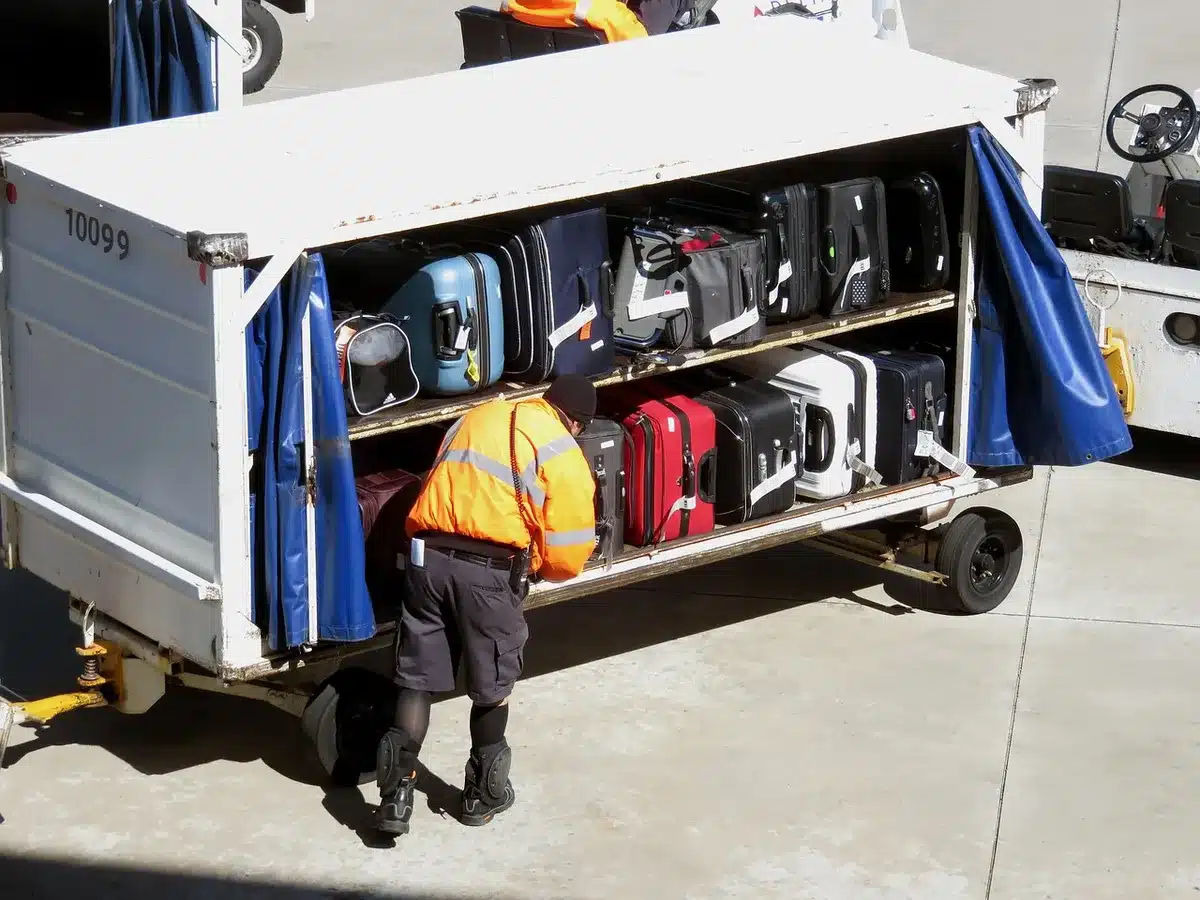
Viral video shows 81-year-old delivery worker struggling with heavy luggage
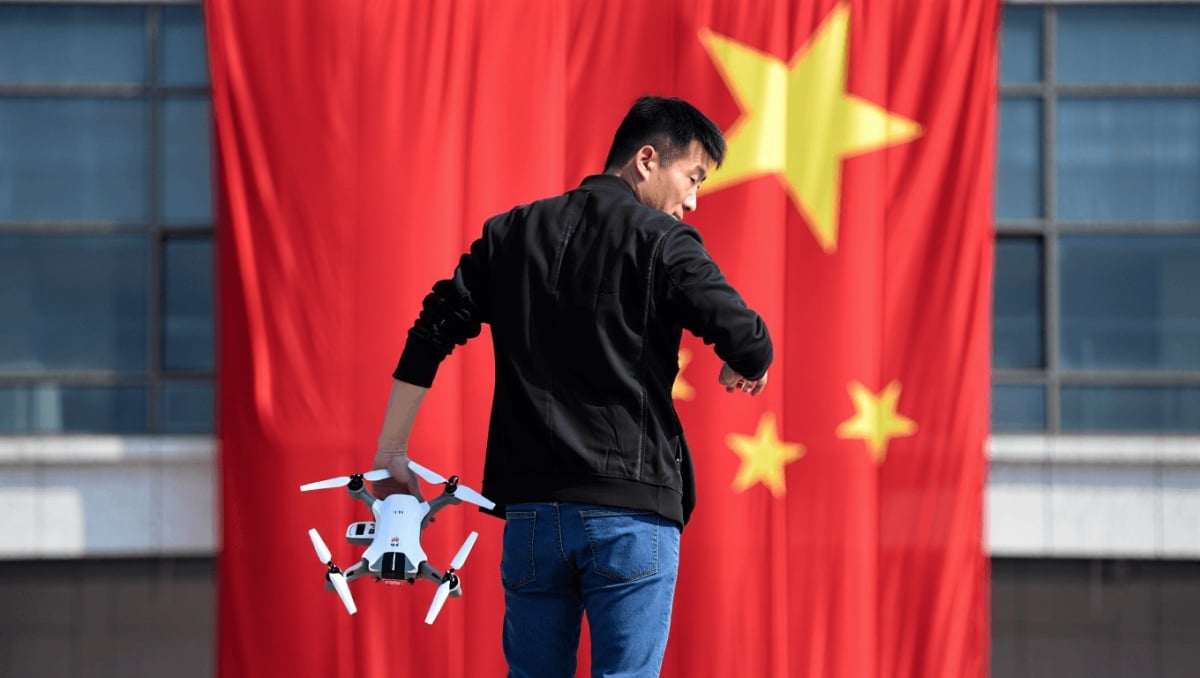
- Case‑by‑case export controls on unmanned aerial vehicles and related components and technologies listed as export‑controlled dual‑use items — a move that tightens oversight of goods that can serve both civilian and military uses.
- Trade bans on six U.S. organizations, notably Applied DNA Sciences, Inc. and the NGO Human Rights in China, preventing them from carrying out commercial activities with Chinese entities.
- A prohibition on Compliance Testing LLC from doing business in China, after the ministry said it had collaborated with U.S. regulators in ways that threatened Chinese sovereignty and security.
- An investigation into the national‑security implications of imported printing software and office equipment; authorities did not name specific suppliers under review.
- New rules from the State Administration for Market Regulation barring some U.S. firms from performing follow‑up factory inspections for China Compulsory Certification (CCC) — effectively forcing companies to find auditors outside the United States or rely on non‑U.S. designated bodies.
Taken together, these steps affect upstream suppliers, testing houses and the certification pathways that U.S. electronics makers have used to access the Chinese market.
Context: the recent U.S. actions that prompted Beijing’s response
Chinese officials explicitly cited U.S. moves as the trigger for their countermeasures. In recent months, U.S. regulators have acted to limit imports of certain Chinese technology products on national‑security grounds, including restrictions on some drone imports and, more recently, announcements restricting new foreign‑made humanoid robots and power inverters.
Separately, the Department of Homeland Security added dozens of Chinese companies to an entity list tied to the Uyghur Forced Labor Prevention Act, a step intended to block imports suspected of being produced with forced labor. The Chinese ministry said that set of policies, together with export bans and import curbs, constituted a breach of understandings reached between the two governments at recent high‑level talks.
Beijing reiterated that it was acting with restraint but left open the prospect of further measures if U.S. restrictions expand.
Who and what could feel the impact
Short term, companies that export UAV components, makers of certified electronics and testing firms face the most immediate disruption. The CCC change in particular could delay shipments and raise compliance costs for manufacturers that have relied on U.S. inspection partners.
For consumers and businesses, the ripple effects could include slower product rollouts, higher prices for some electronics and tighter scrutiny of supply chains that link to China. Exporters on both sides may confront increased paperwork and longer approval timelines as regulators adjust.
- Manufacturers: May need to change auditors or alter factory inspection arrangements to satisfy new certification rules.
- Testing and inspection firms: Could lose a portion of their China‑facing business if barred from inspections or deemed untrustworthy by regulators.
- Supply chains: Companies that rely on dual‑use components should prepare for more export licensing and case‑by‑case reviews.
Diplomatic signaling matters here: the measures arrive ahead of a high‑profile bilateral visit and after recent meetings between the two leaders that suggested a thaw. Yet the reciprocal steps taken by both capitals underscore how fragile any rapprochement remains when strategic technology and human‑rights concerns are at stake.
Officials in both countries will likely monitor the practical consequences of these rulings closely — from certification backlogs to litigation over bans — making this an evolving story with direct implications for transpacific trade and technology flows.