Show summary Hide summary
Searing summer temperatures are doing more than melting pavement — they are forcing airlines to alter operations and, in some cases, to remove passengers or cargo so planes can take off safely. Recent heat spikes at major U.S. airports underline a growing problem that aviation experts say will become more frequent as the climate warms.
Why heat makes takeoff harder
Air behaves differently when it’s very warm. Hot air is less dense, and that reduces the amount of lift a wing can produce and the intake available to jet engines. The result: aircraft need more runway and better performance margins to become airborne.
Michael Page dropped from UFC rankings despite victory: what it means for his career
Viral video shows 81-year-old delivery worker struggling with heavy luggage
Veteran pilots compare the effect to competing at high altitude — athletes and engines both perform less efficiently when the air thins. That same combination of temperature and elevation can sharply change how much weight a plane can safely carry.
Key factors pilots and dispatchers check before every departure:
- Aircraft weight (passengers, baggage, cargo, fuel)
- Airport elevation — higher fields have thinner baseline air
- Outside air temperature at the time of pushback
- Runway length available to reach takeoff speed
Real-world disruptions and operational choices
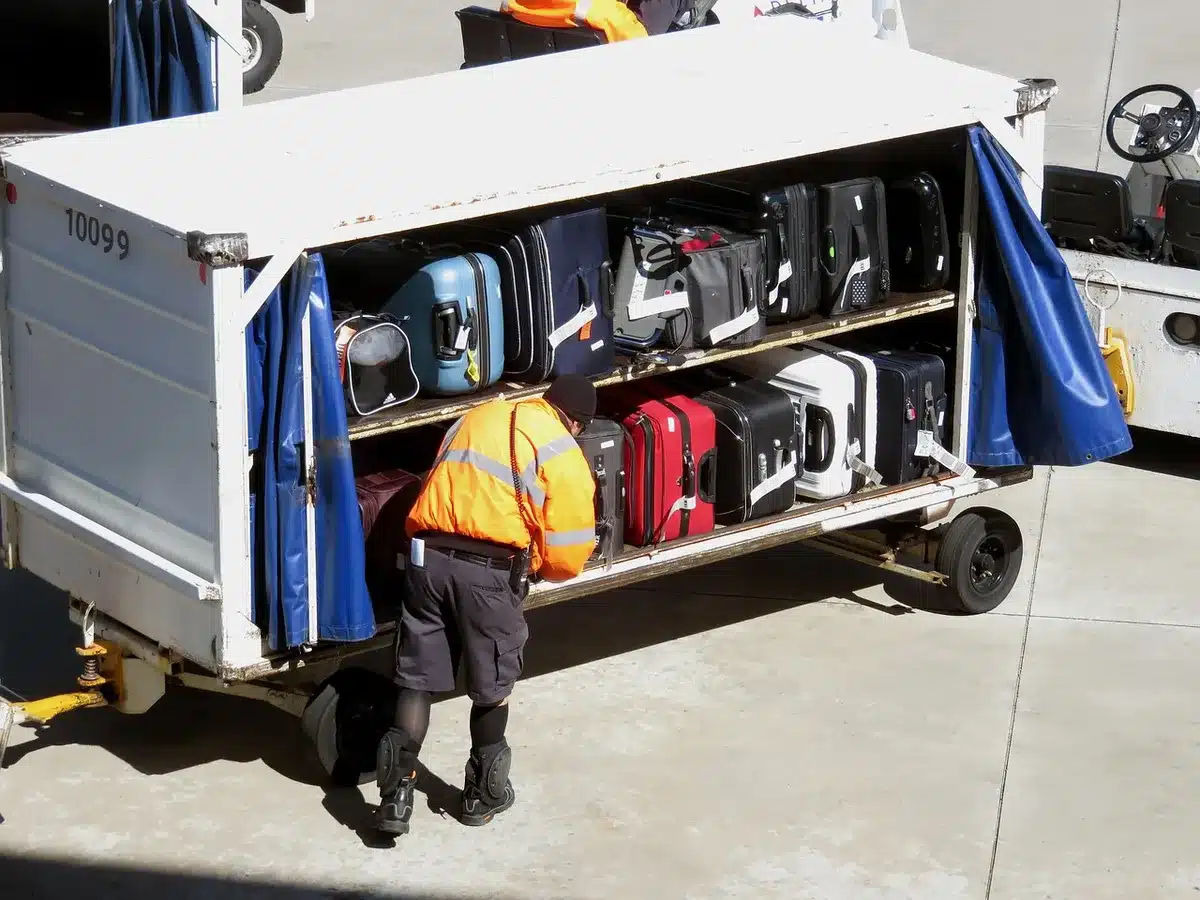
Airlines follow established procedures when math shows a safe takeoff margin is compromised. Options include offloading cargo, trimming fuel and adding a refueling stop, postponing the flight until cooler conditions arrive, or seeking volunteers to give up seats. When none of those remedies restore safe performance, flights are delayed or canceled.
On July 24, a flight at Las Vegas’ Harry Reid International Airport was altered after temperatures reached about 114°F (47°C); the carrier offered compensation to passengers who took a later flight so the aircraft’s weight could be reduced. Similar episodes have occurred in high-heat stretches in Phoenix, Palm Springs and Denver over the past decade.
Which airports face the greatest risk
Not all fields are equally vulnerable. Airports in desert climates are well known for heat-related constraints, but mid-altitude airports with short runways can be affected by far milder temperature rises. Places like Denver, LaGuardia and Reagan National are more likely to see restrictions because of elevation or runway limits.
Urban heat islands — dense pavement, little shade and continuous ground operations — can make airports hotter than surrounding areas, amplifying the problem.
Climate projections and long-term implications
Federal regulators do not publish a single cutoff temperature for takeoff; limits depend on aircraft type, weight and field elevation. Still, climate research points to growing operational impacts. A 2017 analysis by academic and NASA researchers projected that, if greenhouse gas emissions remain high, some airports could face weight restrictions on 10% to 30% of daytime departures by midcentury. Another study suggested that by 2065 several European airports might routinely need to reduce payload by the equivalent of roughly 10 passengers per flight.
Heat trends are already shifting local baselines. Since 2020, Phoenix Sky Harbor has averaged about 43 days per year at or above 110°F (43°C), more than tripling the mid-20th-century average. Palm Springs has recorded roughly 55 such days per year this decade, an increase of about 83% relative to the 2000s.
What travelers should expect
More frequent hot spells mean a higher chance of operational adjustments: earlier boarding delays, requested volunteers, refueling stops, or cancellations. These changes can ripple through schedules, causing missed connections and longer travel times.
For passengers in hot-weather regions, planning tips are straightforward: allow extra connection time, monitor airline notifications closely during heat waves, and be prepared for the possibility of rebooking if a flight’s payload needs to be reduced for safety.
As temperatures continue to climb, airports and carriers will need to adapt operations and infrastructure to maintain safety and reliability. That could mean longer runways at some fields, revised scheduling strategies, or changes in fleet deployment — each with costs and logistical trade-offs that will affect airlines and passengers alike.