Show summary Hide summary
Major apparel brands are expanding repair and mending services to tap younger shoppers and address mounting environmental concerns — but experts warn these efforts alone cannot solve a global waste crisis. What began as niche aftercare is becoming a mainstream customer-facing strategy, with real implications for how clothes are bought, kept and discarded.
Levi Strauss & Co. has turned teaching basic sewing into a recruiting tool: the company runs a hands-on program that shows teenagers how to sew on buttons, hem garments, patch holes and mend tears. The initiative extends the in-store repair services Levi’s already offers and is designed to give buyers practical skills to prolong a garment’s life, executives say.
For some young shoppers, that training meets a real need. Detroit resident Chloe Halprin, 25, says she now prefers thrifted pieces and has learned to hem a skirt on a sewing machine — a skill she sees as both cost-saving and more sustainable. “I don’t like waste,” she says, and repairing clothes helps her avoid throwing items away.
Michael Page dropped from UFC rankings despite victory: what it means for his career
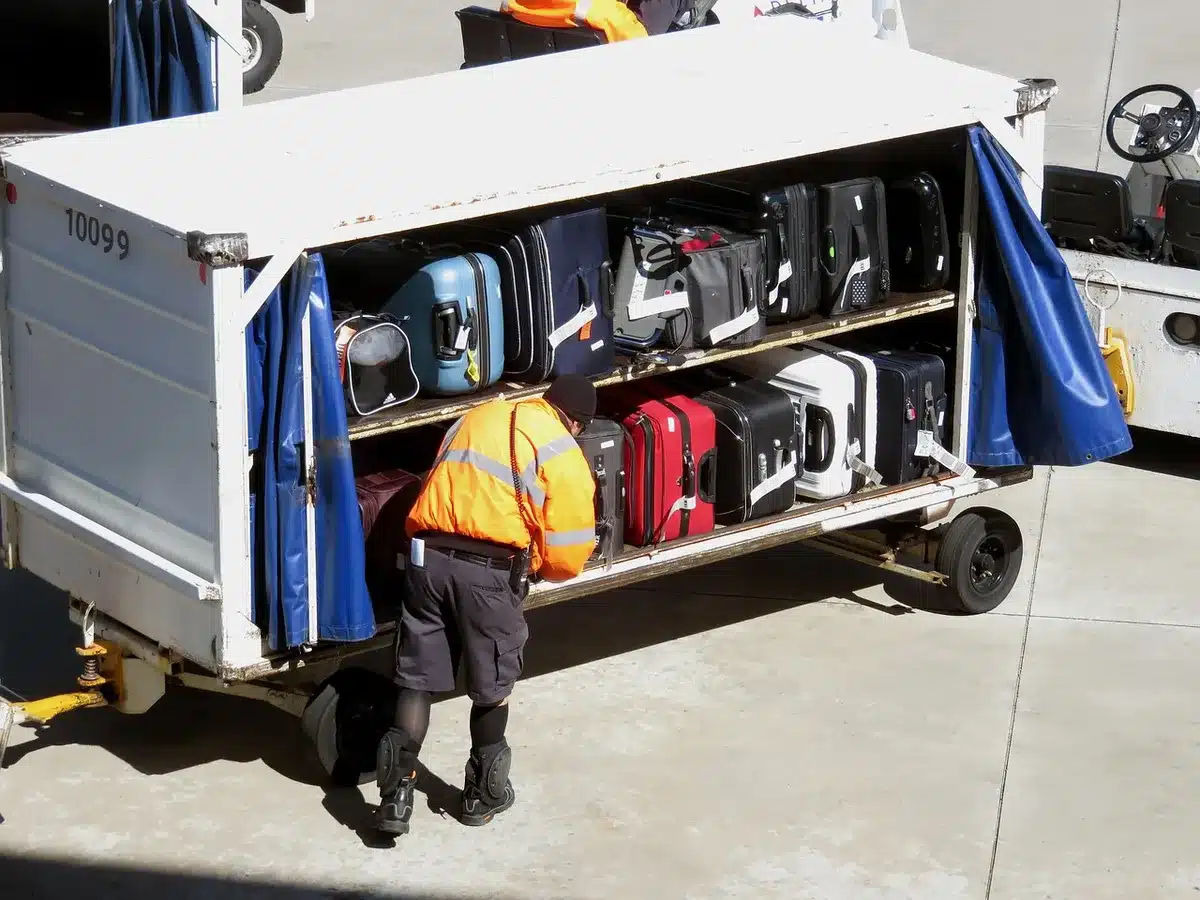
Viral video shows 81-year-old delivery worker struggling with heavy luggage
Why repairs matter — and why they won’t fix everything
At first glance, expanding repairs seems like an obvious way to reduce the volume of discarded clothing. The reality is more complicated. Global datasets show clothing production surged in the early 21st century even as the average number of times an item is worn fell sharply. The result: massive levels of discarded fabric.
United Nations analysis and industry research warn that the world’s garment waste is enormous — the equivalent of a garbage truck being dumped or burned every second — and less than 1% of textile materials are reincorporated into new clothing, according to sustainability researchers. Repairing single items can lower an individual garment’s footprint, but it does not automatically offset the environmental toll of continued overproduction.
Experts divide over the long-term impact of retailer-led mending programs. Some analysts say these services help brands connect with customers and encourage more responsible consumption. Others point out that in-store repair workshops or low-cost alterations often operate at a small scale and do not substitute for the larger problem of producing too many garments.
- Levi’s — Offers a youth-focused sewing curriculum and in-store repair and customization options under a program that encourages longer product use.
- Primark — Runs free customer workshops teaching basic repairs and has trialed in-store mending at select locations, emphasizing practical skills for durability.
- Uniqlo — Provides aftercare across dozens of stores, from simple repairs to decorative sashiko mending and creative restyling.
- Zara — Launched a digital resale and alteration platform in multiple countries to let customers sell and request simple fixes.
- H&M — Piloted redesign and mending studios but has scaled back in-store offerings, citing cost challenges compared with producing new items.
Business limits: labor, cost and consumer behavior
Retailers say economics are a major constraint. Repair services are labor intensive, and keeping prices low enough to attract customers while covering costs is difficult. Some companies have been candid that manufacturing new garments often remains cheaper than maintaining existing ones.
Industry groups are pressing for policy changes to make reuse and repair financially viable. Several major fashion and resale companies have asked governments in North America and the EU to consider tax incentives or other rules that could tilt the balance in favor of repair and resale services.
Analysts also note mixed signals from younger shoppers. Generation Z buys resale more than previous cohorts and is often interested in sustainability, but affordability and convenience still drive many purchases. That split means brands may need to combine repair offerings with other changes to product design and pricing to influence overall waste.
Voices from the field
Retail executives frame repair programs as both customer service and a brand-building tool. At the same time, sustainability scholars caution that mending alone won’t curb the environmental impact of the sector unless it accompanies reductions in production volume.
“Repairing garments can give them more life, but it does not replace the need to produce less,” a professor who studies fashion systems said, arguing that repairs typically add to — rather than replace — high production levels.
What to watch next
The debate now centers on whether repair can scale beyond promotional workshops and become a profitable, mainstream retail function. Key variables include labor costs, pricing models, textile recycling advances and public policy incentives.
- For consumers: Repair classes and aftercare services make it easier to keep and adapt clothing, potentially saving money and reducing waste per item.
- For retailers: Mending can strengthen customer loyalty and brand image, but it must fit within a viable business model to move beyond small pilots.
- For policymakers: Tax breaks, subsidies or regulatory changes could determine whether repair and resale scale up as economically feasible alternatives to new production.
In short, expanding repair services reflects a shifting retail landscape where sustainability, customer engagement and cost collide. The outcome will depend as much on economic incentives and production decisions as on the growing interest among shoppers in keeping clothes in use longer.