Show summary Hide summary
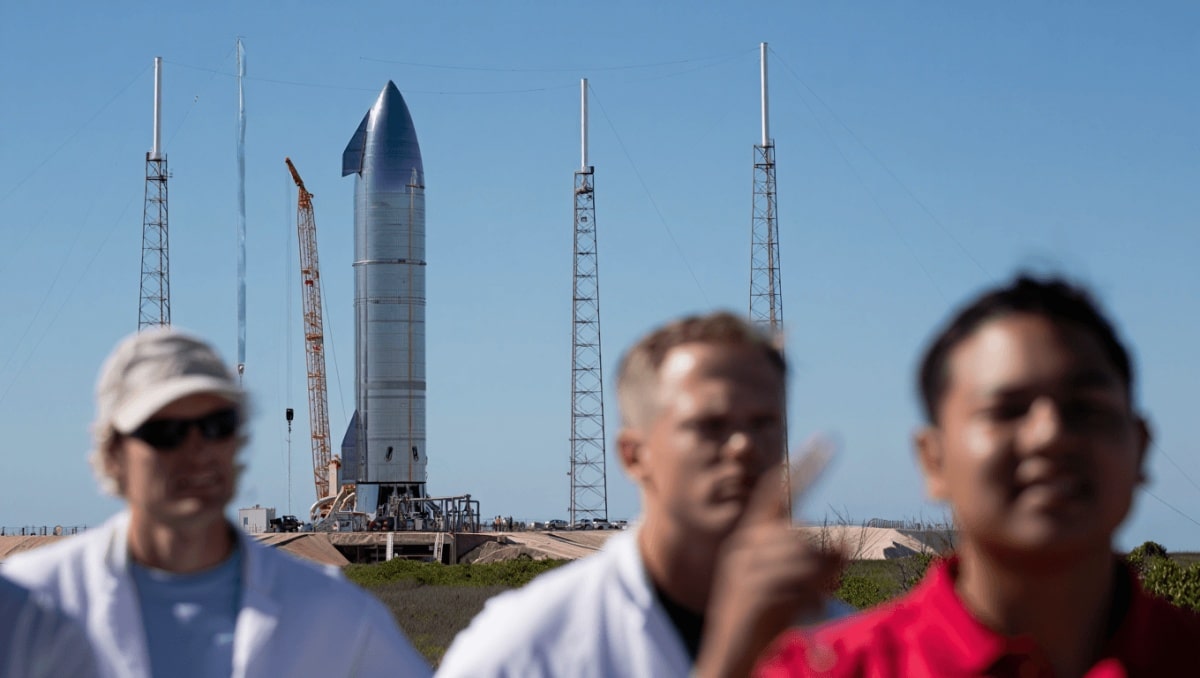
SpaceX halted a recent attempt to fly a larger Starship prototype after a chain of last‑minute anomalies forced teams to abort the countdown. The interruption complicates a critical development campaign for the heavyweight launcher and adds fresh uncertainty to schedules tied to lunar and commercial missions.
What unfolded during the countdown
Flight controllers advanced through most of the planned prelaunch checklist when multiple systems flagged unexpected readings, prompting an automatic hold. Ground crews and vehicle sensors reported inconsistent telemetry and fueling margins that could not be resolved within the available window, so launch directors elected to stand down.
Michael Page dropped from UFC rankings despite victory: what it means for his career
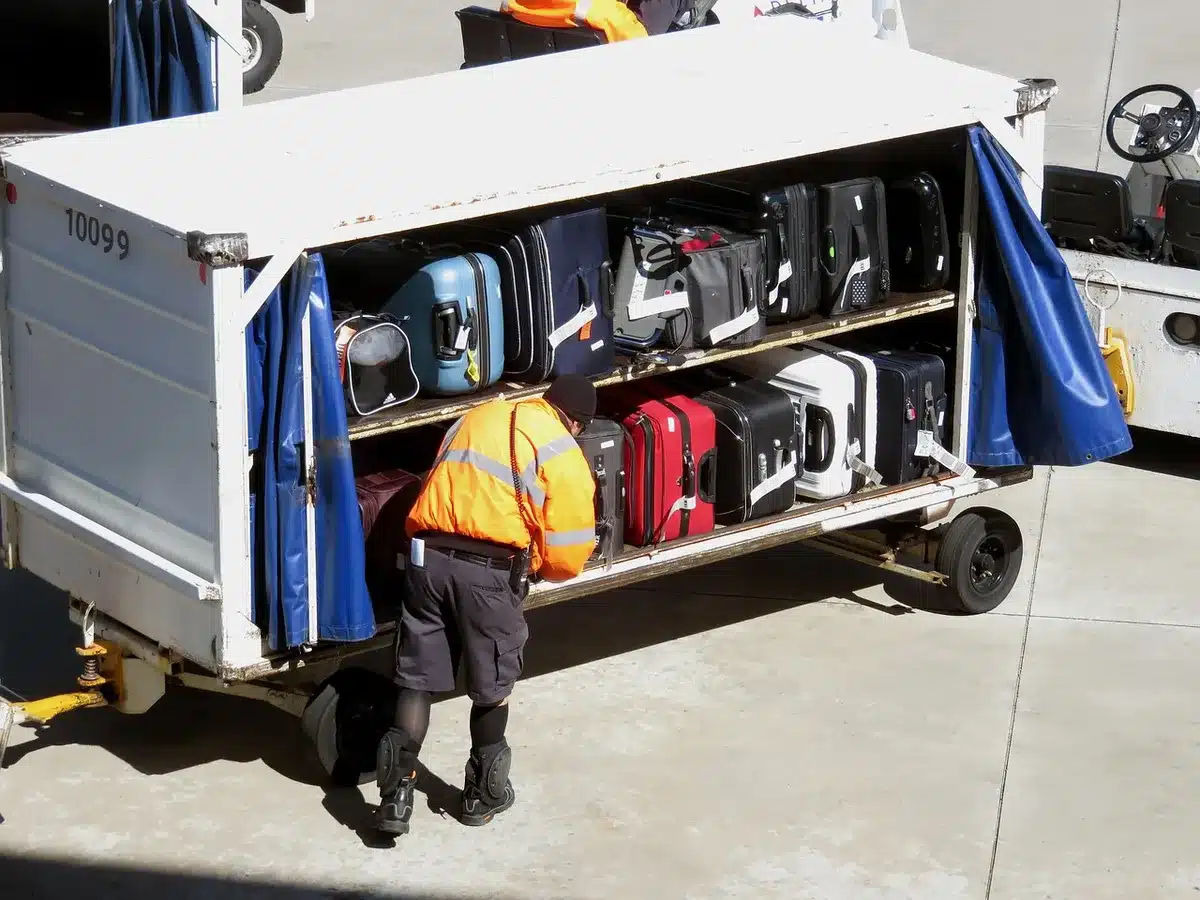
Viral video shows 81-year-old delivery worker struggling with heavy luggage
The pause came late enough in the countdown to require a careful rollback of cryogenic systems and a full inspection of mission‑critical hardware. Recovery and troubleshooting are now the immediate priorities on the pad.
- Launch status: Attempt aborted during terminal countdown.
- Systems involved: combination of ground support and vehicle sensors; specifics under review.
- Operational impact: extended pad outage while teams secure propellant and assess hardware.
- Next steps: detailed data review and targeted inspections before a new attempt is scheduled.
Technical context and likely trouble spots
Testing complex heavy‑lift vehicles places enormous strain on both the rocket and the supporting infrastructure. Issues that commonly force scrubs include cryogenic loading anomalies, sensor disagreements between redundant avionics, and margin shortfalls in engine start sequencing. Any one of these can ripple into multiple subsystems.
For this program, the vehicle represents an upsized configuration intended to increase payload capacity and mission flexibility. That scale raises the number of simultaneous systems that must operate in perfect sync: propellant feeds, pressure control, telemetry, and ignition logic all become more difficult to coordinate as size grows.
Why this matters now
Delays at this stage affect more than a single flight. The development timeline for the enlarged vehicle underpins plans for deep‑space cargo runs, commercial heavy‑lift services and, in some contractor proposals, components of crewed lunar architecture.
Regulatory reviews, pad availability and the sequencing of other launches can all shift if inspections reveal the need for design changes or additional testing. That, in turn, could change launch manifests and the cadence of missions that depend on heavy‑lift capability.
What to watch next
Investigations will focus on telemetry logs and hardware inspections to determine whether the anomalies were symptoms of marginal tolerances, a single component failure, or procedural issues during ground operations. Anyone tracking the program should look for three near‑term signals:
- formal incident or anomaly reports from the company or regulators;
- hours and scope of pad repairs or hardware replacements announced;
- confirmation of a revised launch window with any new constraints.
Industry observers will also be watching for regulatory engagement. Agencies responsible for launch safety typically review data from major scrubs to ensure public‑safety systems and environmental protections remain robust.
Broader implications
Setbacks are a normal part of iterative rocket development, but each one changes the calculus for program managers balancing speed, cost and risk. The ability to diagnose and correct issues quickly will determine whether the enlarged vehicle stays on a broadly predictable path or encounters longer delays that affect customers and partners.
For now, the event is a reminder of the engineering challenges inherent in scaling up launch systems. Teams will pore over telemetry, recheck procedures, and, when satisfied, attempt another liftoff—this time with the lessons learned from a scrubbed countdown guiding the effort.