Show summary Hide summary
The travel industry is bracing for disruption after the administration renewed warnings that airports in jurisdictions with sanctuary policies could face federal penalties, including limits on federal support or aviation access. Companies that run airlines, airports and hospitality services say the announcement injects fresh uncertainty into planning for the summer travel season and beyond.
What the administration signaled — and why it matters now
Officials reiterated that federal agencies may use a range of levers to press local governments to cooperate on immigration enforcement. While details remain vague, industry officials say the mere prospect of conditional funding or restrictions on air service creates immediate operational and financial questions for carriers and airport operators.
Michael Page dropped from UFC rankings despite victory: what it means for his career
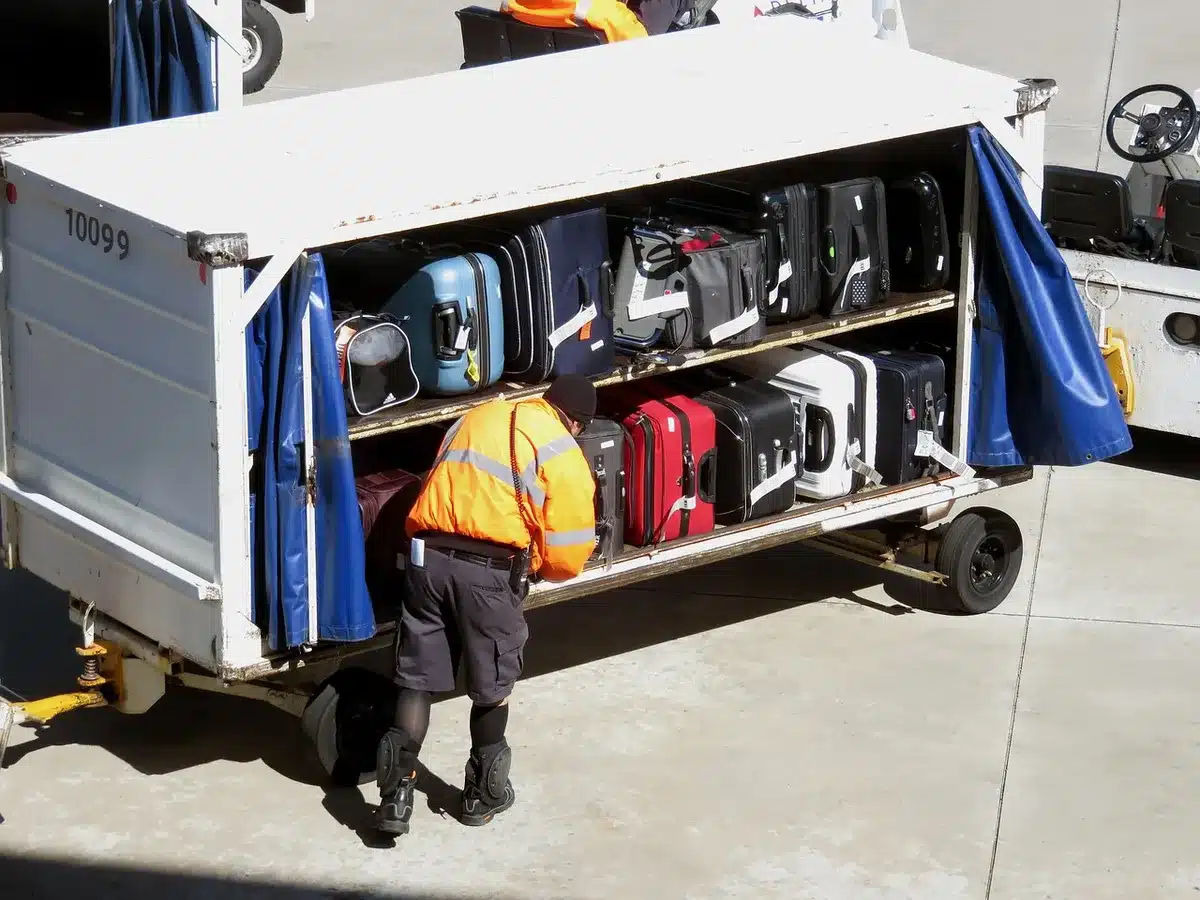
Viral video shows 81-year-old delivery worker struggling with heavy luggage
The stakes are practical: airports are regional economic anchors, and any threat to their connectivity can ripple through ticket prices, schedules and cargo routes. Travel firms warn that uncertainty could suppress bookings and complicate staffing and fleet assignments just as demand is recovering.
Industry reaction
Airlines, airport authorities and trade groups have expressed alarm, describing the announcement as a new source of regulatory risk. Executives point to difficult logistics if service to particular airports were curtailed: reassigning slots, reconfiguring networks and handling passenger refunds or rerouting would add costs and delay planning already in progress.
Smaller airports — many of which depend on federal grants for infrastructure projects and on a handful of carriers for market access — say they would be disproportionately affected. Local businesses that rely on steady air service for tourism and freight worry about lost revenues.
- Passenger demand: Uncertainty can deter travelers and depress advance bookings.
- Route stability: Airlines would need to rework networks and may reduce frequencies.
- Funding and projects: Conditional federal grants could slow airport upgrades and safety investments.
- Operational complexity: Airlines face higher costs rerouting aircraft and crews.
- Legal exposure: Potential litigation and regulatory challenges would add expense and delay.
Legal and regulatory context
Sanctuary policies, which limit local cooperation with federal immigration enforcement, have repeatedly triggered legal and political battles. Any move to tie aviation access or federal funds to local enforcement cooperation would almost certainly prompt lawsuits and a review of federal authority over transportation policy.
Experts note that authorities such as the Federal Aviation Administration and the Department of Transportation have defined roles in airport operations and safety; using those platforms for immigration policy enforcement would be a significant shift and could face judicial scrutiny.
Practical consequences for travelers and businesses
For passengers, the most immediate effects could be fewer nonstop routes to affected cities, longer connections, and possible fare increases if carriers consolidate service. Cargo shippers could see longer transit times and higher costs.
For airports and municipalities, the threat complicates budgeting and investment. Projects that depend on federal grants — runway work, terminal upgrades, security systems — could be delayed if funding becomes contingent on policy alignment.
What to watch next
Key indicators of how the situation will evolve include any formal rules or guidance from federal agencies, statements from major carriers, and rapid legal filings by city or airport coalitions. Congressional responses or court injunctions could also change the landscape quickly.
Until clear policies are issued, industry leaders say they will focus on contingency planning: assessing route profitability, seeking alternative funding for capital projects, and coordinating with state and local officials to limit disruption.
For travelers and local economies, the immediate takeaway is practical: policy shifts at the federal level can translate quickly into tangible changes in connectivity and costs. The coming weeks will reveal whether the administration moves from rhetoric to enforceable actions and how the courts and market will respond.