Show summary Hide summary
New research from Washington State University reveals that the Sin Nombre hantavirus is more common among rodents in the Palouse region than scientists expected, a finding that raises fresh concerns for people who live and work in nearby agricultural communities. The study, published in 2026 in Emerging Infectious Diseases, suggests wider animal exposure and calls for expanded local surveillance.
The team sampled 189 small mammals during the summer of 2023 at eight farms and two forested sites across parts of eastern Washington and north‑central Idaho. Results showed that roughly 30% had antibodies indicating prior exposure, while about 10% were carrying active infections at the time of sampling.
Multiple species, not just deer mice
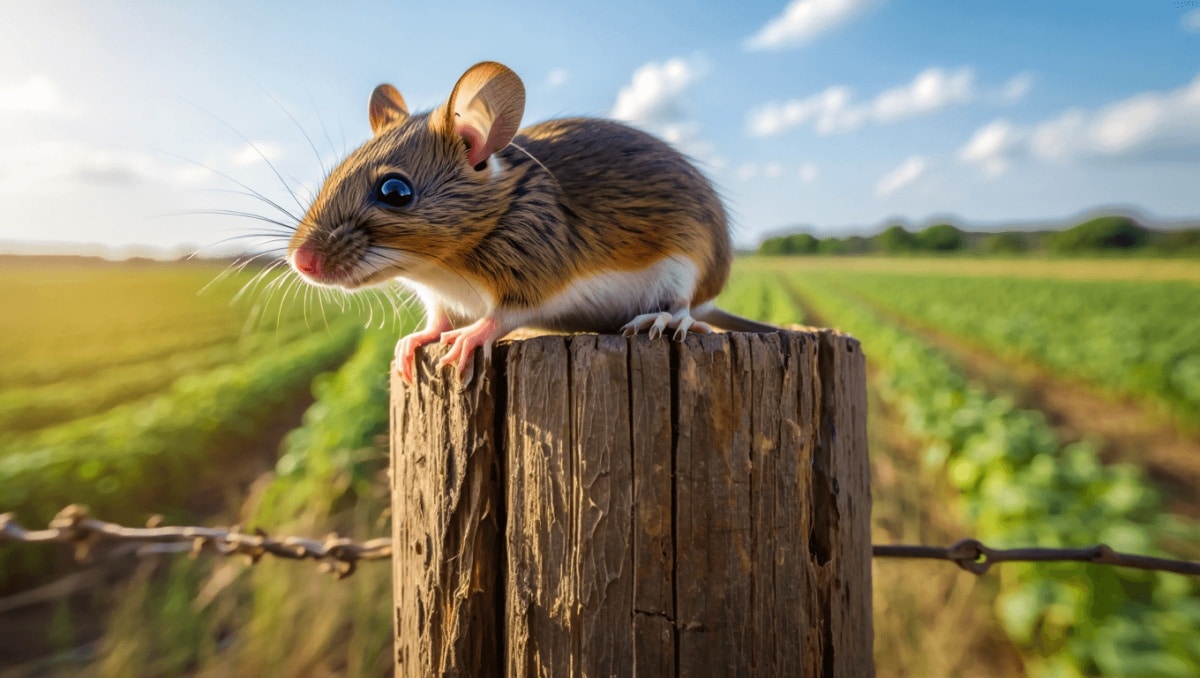
Although deer mice have long been identified as the principal reservoir for hantavirus pulmonary syndrome (HPS) in the United States, investigators detected evidence of the virus in several rodent species, including voles and chipmunks. That pattern points to a broader ecological presence of the pathogen than previously documented in this corner of the Pacific Northwest.
Michael Page dropped from UFC rankings despite victory: what it means for his career
Viral video shows 81-year-old delivery worker struggling with heavy luggage
Lead author Stephanie Seifert, of WSU’s Paul G. Allen School for Global Health, said the density of positive results surprised the research team and highlighted how little regional data exist. Her group plans further genetic comparisons to trace how the virus moves between animals and across the landscape.
What this means for people nearby
Sin Nombre virus is typically transmitted to humans when people inhale air containing virus particles from rodent urine, droppings or saliva; it is not known to spread between people. That contrasts with the Andes hantavirus, which can transmit person‑to‑person after prolonged close contact.
Health specialists stress that severe HPS cases are more likely to be recorded, but low‑level exposures probably go undetected. Dr. Sonja Bartolome, a pulmonary and critical care physician, noted that national surveillance since 1993 has recorded relatively few cases overall, yet local animal infection rates can still be high.
Study limitations and next steps
The authors acknowledge several limits: sampling occurred in a single season, only within the Palouse region, and focused on animal infections rather than measuring human illness risk directly. These constraints mean findings should not be extrapolated across the entire Pacific Northwest without further study.
Researchers recommend longer, multi‑season monitoring and broader geographic sampling to understand how environmental factors and seasonal cycles affect virus prevalence. They also call for genetic sequencing across regions and species to map viral movement and diversification.
Practical precautions for residents and farmers
Public‑health guidance remains straightforward but important for those in rural and agricultural settings. Simple measures can reduce the chance of exposure during routine tasks.
- Seal and clean structures to deter rodent entry; ventilate enclosed spaces before cleaning.
- Use protection—wear gloves and a mask when handling potential rodent nests, droppings or contaminated materials.
- Avoid sweeping or vacuuming dry droppings; instead, wet surfaces with disinfectant before removal.
- Control populations around homes and barns through sanitation and habitat modification rather than indiscriminate trapping.
Why the finding matters now
With high levels of local rodent infection documented at farm and forest sites, the report shifts the conversation from isolated animal detections to a pattern that could affect rural communities’ everyday risks. For public‑health authorities, the study provides a concrete reason to expand monitoring and outreach in agricultural regions where human‑rodent contact is common.
As the authors put it, closing the gap between animal exposure and human illness—understanding when and why exposure becomes disease—is the next critical objective for researchers and local health officials.