Show summary Hide summary
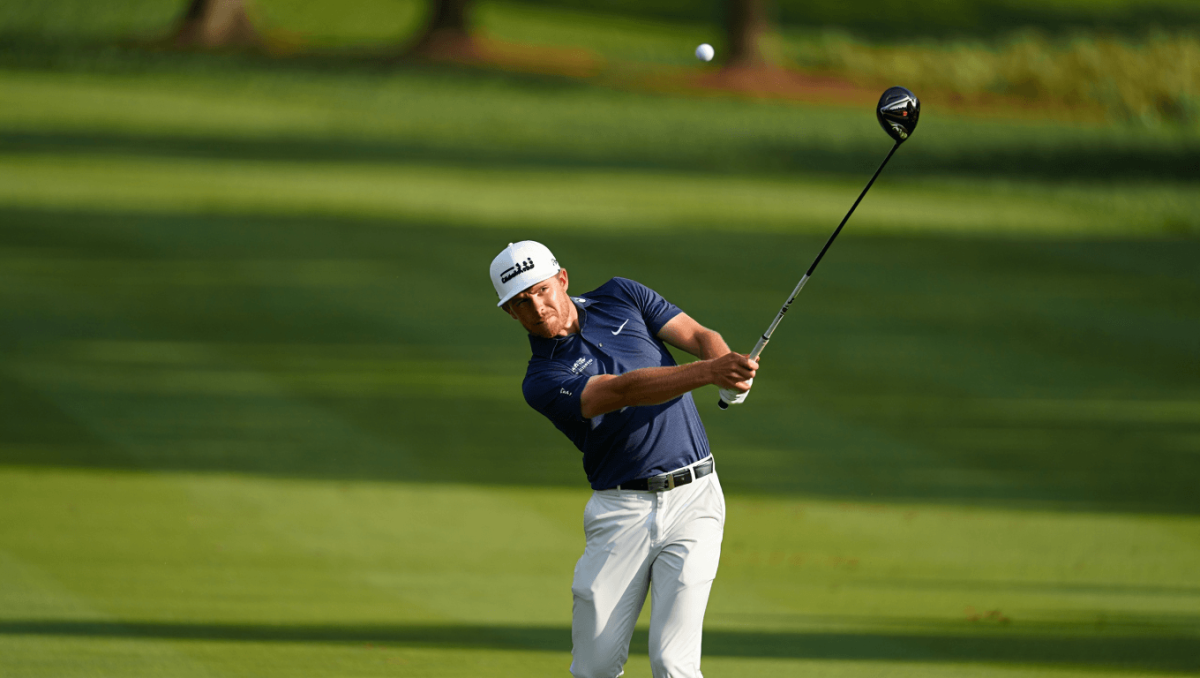
Cameron Young’s emphatic win at Doral this weekend has reignited one of golf’s perennial conversations: which top player still needs a major to cement their legacy? With the PGA Championship looming, Young’s surge forces a fresh look at who’s most overdue for a breakthrough on golf’s biggest stage.
How one tournament changed the picture
Young opened the Cadillac Championship with a 64 and never looked back, closing out a wire-to-wire victory by six strokes over Scottie Scheffler. The performance wasn’t a flash in the pan — it added to a recent run that includes multiple Tour wins and a steady string of high finishes in majors.
Michael Page dropped from UFC rankings despite victory: what it means for his career
Viral video shows 81-year-old delivery worker struggling with heavy luggage
That kind of momentum matters now more than ever. The calendar is turning toward a major week, and results at signature events increasingly shape narratives about form and readiness under pressure.
The two most often mentioned
Cameron Young has quietly been one of the most consistent contenders at majors. His early-career majors résumé — highlighted by several top-10s and a pair of runner-up efforts — pairs with elite ball-striking and strong analytics marks on strokes-gained measures. The Doral victory adds a heavy dose of credibility to the long-held view that a major is coming.
Tommy Fleetwood brings a different argument: experience and longevity. Fleetwood’s record includes numerous top finishes across major venues and a steady presence at the top of leaderboards. He may not flash the same recent headline-grabbing wins as Young, but his sustained form over multiple seasons keeps him firmly in the conversation.
Depth behind the front-runners
Beyond those two, a handful of players present compelling cases — some because of recent peaks, others because of long stretches of near-misses.
- Ludvig Aberg — Fast-tracked as a major prospect after two strong Masters showings; still searching for more wins to match those high finishes.
- Viktor Hovland — A proven winner at big events with a history of top-five finishes in majors, though form can fluctuate.
- Tyrrell Hatton — Often under the radar because of league moves, but his Masters tie for third and multiple top-10s show he’s capable of contending on the biggest stage.
- Rickie Fowler — A veteran presence whose peak years produced a string of memorable major runs; recent sparks suggest a veteran reminder that he’s still relevant in big-week scenarios.
Why this debate still matters
Conversations about the best player without a major title do more than feed punditry. They track who handles pressure at the most consequential moments and who might shift golf’s power balance with the next big win. For fans, sponsors and the players themselves, a first major changes narratives and often careers.
We’re also in an era of parity. Since 2019, majors have produced many first-time winners, spreading the championship hardware across a broader pool of talent. That distribution means the “best without a major” label is both more contested and more meaningful: it signals imminent change rather than simply wistful qualification.
Quick comparison
- Current form: Young — hot; Fleetwood — steady; Hovland — streaky; Aberg — promising; Hatton — quietly dangerous.
- Major experience: Fleetwood and Fowler hold the deepest veins of top-10s; Young has multiple near-misses; others vary by consistency.
- Likelihood to break through next: Young and Hatton headline the short list, but majors are unpredictable — momentum and course fit will decide.
As the PGA Championship approaches, keep an eye on course fit and form indicators: driving accuracy, short-game confidence, and recent finishes at pressure-heavy events. Those factors will determine whether this conversation ends with a coronation or gets pushed forward another season.