Show summary Hide summary
A social media clip showing the interior of a hantavirus quarantine unit at UMNC has drawn attention to infection-control practices and the limits of what hospital employees and visitors should film. The footage, shared by Jake Rosmarin, has prompted questions about patient privacy, public health messaging, and how hospitals balance transparency with safety.
What the video shows and why it matters now
Michael Page dropped from UFC rankings despite victory: what it means for his career
Viral video shows 81-year-old delivery worker struggling with heavy luggage
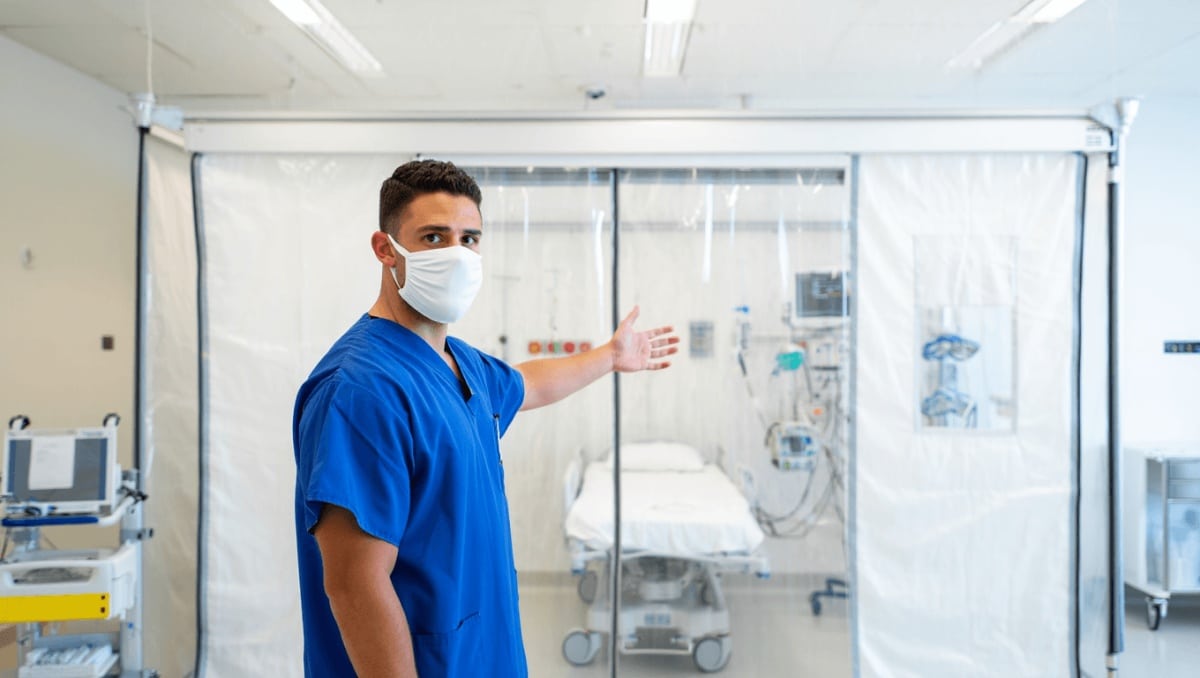
The short video toured an isolation area that the hospital uses for patients with suspected or confirmed viral infections. Viewers saw anterooms, sealed doors and staff in protective gear. While the post did not identify individual patients, the visuals exposed operational details that hospitals typically restrict for both safety and confidentiality reasons.
This moment matters because social platforms amplify images quickly. When clinical spaces are filmed without clear consent or oversight, there are three immediate consequences: potential breaches of patient privacy, the risk of spreading inaccurate information about disease risk, and possible compromises to infection-control procedures if sensitive details are revealed.
Infection control and public perception
Health facilities normally limit access to isolation units to trained personnel and essential visitors. That boundary exists to reduce contamination, ensure proper use of protective equipment and protect vulnerable patients. Unsupervised filming can undermine those safeguards by encouraging copycat behavior or by giving the public a misleading sense of how infectious diseases behave outside controlled clinical environments.
At the same time, visual documentation can play a useful role: it can demystify clinical care, show how hospitals prepare for rare threats and educate the public when done responsibly and with appropriate permissions. The challenge lies in deciding who gets to make that call.
Public health context: hantavirus basics
Hantaviruses are a family of viruses primarily carried by rodents. Human infections are uncommon in most regions but can be severe. Transmission most often occurs when people inhale dust contaminated with rodent urine or droppings, or through direct contact with rodents.
- Symptoms: early signs include fever, muscle aches and fatigue; respiratory distress can develop rapidly in severe cases.
- Prevention: controlling rodent exposure at home and work, ventilating and wetting down areas before cleaning to avoid aerosolizing waste, and using gloves and masks when handling rodent-infested materials.
- Clinical approach: patients suspected of hantavirus infection are often isolated and managed in facilities that can provide advanced respiratory support if needed.
Questions hospitals and regulators face
Hospitals must weigh transparency against safety. Key issues that arise after incidents like this include:
- Whether staff guidelines on phone and camera use in restricted areas are adequate and enforced.
- How to respond when non-staff or media attempt to record clinical spaces.
- What legal and ethical protections exist for patients inadvertently filmed in these settings.
Healthcare systems increasingly publish protocols for visitors and staff about recording devices, but enforcement varies. Privacy laws and hospital policy both play a role, and facilities typically investigate any potential breach to determine if corrective action is needed.
What viewers should keep in mind
Seeing clinical footage on social media can provoke anxiety, curiosity or confusion. Viewers should remember that a single video rarely conveys full clinical context. If you encounter posts about infectious-disease units, consider the following:
| What you saw | Consider |
|---|---|
| Images of isolation rooms and PPE | These show hospital procedures but not necessarily an active outbreak or increased community risk. |
| Claims about case numbers | Verify with local public health authorities before sharing; social posts can misstate scope and risk. |
| Guidance on prevention | Follow official public-health sources for actionable advice on hantavirus and other infections. |
Broader implications
Short-form videos have become a routine way people document nearly every corner of public life — hospitals included. That trend pushes healthcare providers to update policies and communicate clearly about what can and cannot be filmed. It also highlights a need for media literacy: not every inside look is neutral or complete.
For now, the UMNC footage serves as a reminder: images from within clinical spaces can inform, but they also carry responsibilities. Hospitals, staff and the public all share a role in ensuring that transparency does not come at the expense of patient safety or accurate public health messaging.