Show summary Hide summary
A former CIA officer who has publicly claimed that elements of the U.S. intelligence community were involved in a coordinated effort tied to the COVID-19 pandemic is preparing to give testimony to a congressional committee, raising fresh questions about oversight, classified evidence and how such allegations are vetted. The hearing is likely to sharpen political divisions and could prompt further inquiries into both the origins of the virus and how intelligence agencies handled related information.
What the witness says and why it matters
The individual, identified in recent media reports as a whistleblower, has described a series of actions by intelligence personnel that they frame as part of a so-called “deep state” effort connected to pandemic-related information. That characterization is the witness’s interpretation; committees and independent reviewers will assess whether the claims are supported by documentary evidence or corroborating testimony.
Michael Page dropped from UFC rankings despite victory: what it means for his career
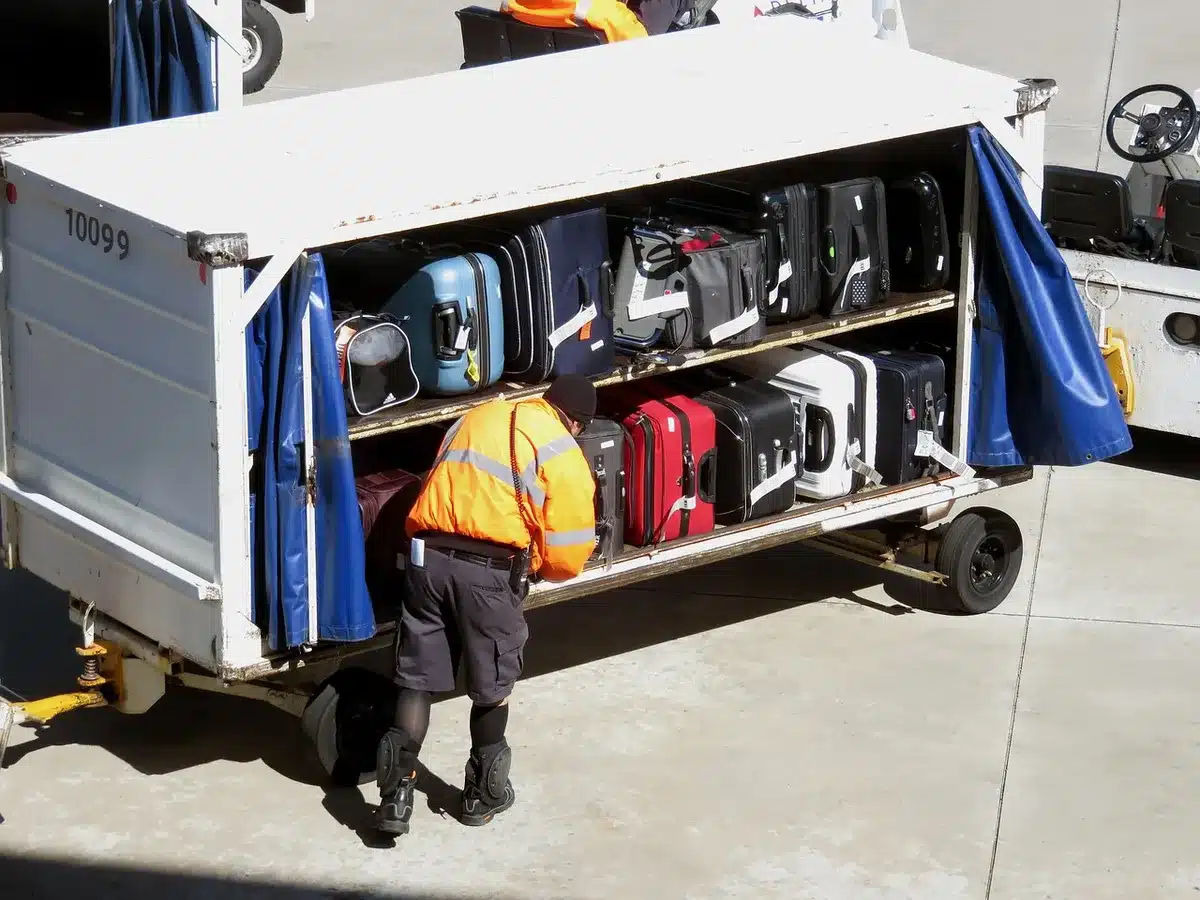
Viral video shows 81-year-old delivery worker struggling with heavy luggage
This testimony matters now because congressional hearings can trigger declassification requests, subpoenas and referrals for independent probes. Even unproven allegations can shape public debate, influence oversight agendas and affect trust in institutions responsible for national security and public health.
Key points likely to shape the hearing
- Evidence and documentation: Will the whistleblower provide classified or unclassified documents, and can these materials be reviewed by the committee or inspectors general?
- Corroboration: Are there other officials or records that confirm the account, or is it a lone assertion?
- Legal and classification issues: How will the committee handle sensitive material without compromising sources, methods or national security?
- Motive and credibility: Committees typically examine a witness’s background, potential biases and access to information.
- Follow-up actions: Possible outcomes include requests for more documents, referrals to oversight bodies, or no action if claims are unsubstantiated.
How congressional oversight typically evaluates such claims
Congress and the intelligence community have established channels to handle whistleblower disclosures: inspectors general, classified briefings, and legal counsel who determine whether allegations warrant wider review. Independent fact-finding — including forensic examination of documents and interviews with additional witnesses — is customary before any definitive conclusions are drawn.
Public health and scientific experts are often consulted when allegations intersect with epidemiological findings. In past cases tied to national crises, multidisciplinary review has been essential to separate technical evidence from political interpretation.
What to watch during and after the testimony
Observers should track several concrete signals rather than the rhetoric alone. Look for whether the committee requests or obtains supporting files, whether other witnesses corroborate parts of the account, and whether inspectors general or independent agencies open formal inquiries.
How mainstream and social media cover the hearing will also influence public perception. Rapid amplification of claims before verification can lead to confusion and undermine nuanced reporting.
Potential implications
If lawmakers find credible evidence, the hearing could lead to stronger oversight of intelligence-community practices, changes in how pandemic-related information is handled, or new legal inquiries. Conversely, if the allegations are not substantiated, the hearing may reinforce calls for caution in using partisan narratives to frame complex national-security matters.
The upcoming testimony is a test of institutional mechanisms — and of how Congress balances transparency with the duty to protect classified sources and methods. For the public, the central questions are simple but consequential: what evidence supports the claims, who else can confirm it, and what remedies or reforms, if any, should follow.