Show summary Hide summary
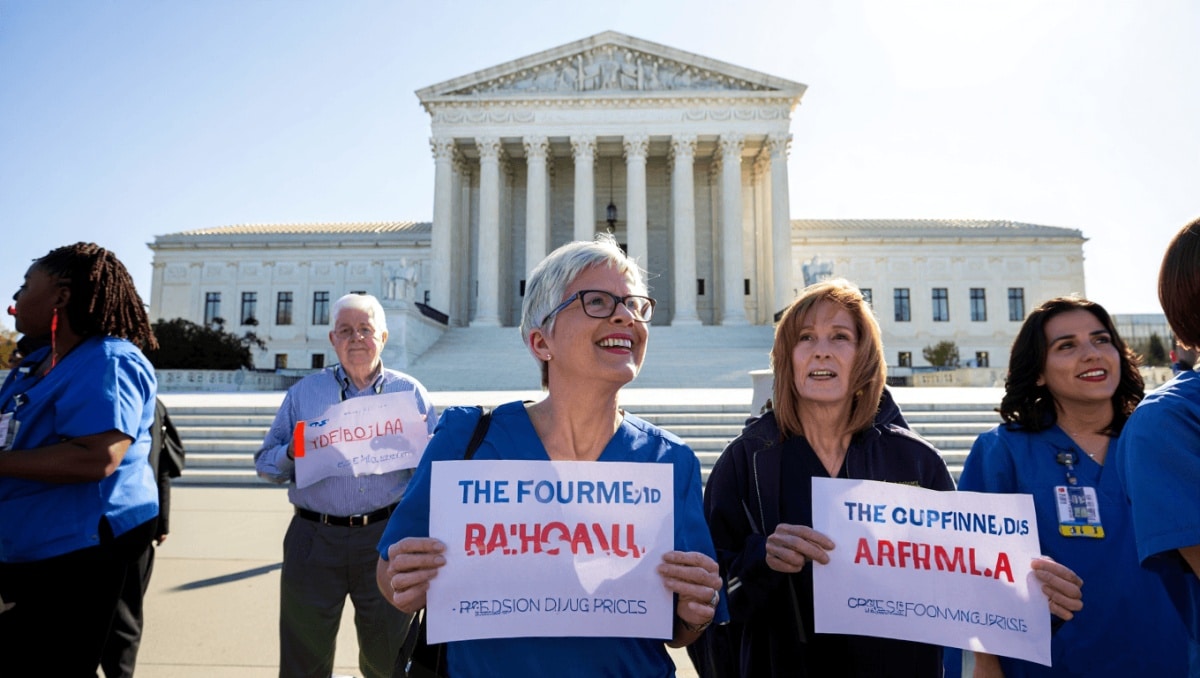
The U.S. Supreme Court has declined to hear several appeals from pharmaceutical manufacturers challenging the federal government’s authority to negotiate prices for certain prescription drugs under Medicare. By refusing these cases, the court has effectively cleared a major legal obstacle to the implementation of a flagship cost-control program introduced in recent federal legislation.
The move allows the Centers for Medicare & Medicaid Services to proceed with a timetable for negotiations that could reshape pricing for high-cost medicines used by older Americans and people on Medicare. Drugmakers had argued the negotiation process exceeded executive authority and threatened innovation; the government countered that Congress expressly authorized the program.
What happens next
Michael Page dropped from UFC rankings despite victory: what it means for his career
Viral video shows 81-year-old delivery worker struggling with heavy luggage
With the Supreme Court stepping aside, regulators can continue rule-making and begin formal discussions with selected manufacturers. That process will focus initially on a narrow list of high-spending drugs that have been flagged under the program’s statutory criteria.
- Negotiation timeline: CMS is expected to finalize rules and announce the specific drugs and manufacturers entering talks.
- Price setting: If negotiations reach an agreement, prices could be reduced for Medicare beneficiaries and the program may apply financial penalties if manufacturers refuse fair offers.
- Industry response: Pharmaceutical companies may pursue other policy or legislative avenues, adjust pricing strategies, or expand rebates and patient assistance programs.
- Legal posture: Though the Supreme Court declined these appeals, future litigation could still arise over implementing regulations or individual determinations.
Why this matters now
Prescription drug costs have been a persistent policy issue and a key talking point for voters and lawmakers. By removing a high-profile constitutional challenge from the court’s docket, the decision accelerates a federal effort meant to lower out-of-pocket costs for Medicare enrollees and to reduce government spending on certain medicines.
The practical effects will vary drug by drug. Some manufacturers could accept negotiated terms, while others may resist and alter how they price or market products. That uncertainty will shape patient access, insurer contracts, and negotiations between private payers and the pharmaceutical industry.
Stakeholders to watch
Different groups will respond on different timelines:
- Medicare beneficiaries: Could see relief on copays for specific medications once deals are implemented, depending on coverage rules and formulary changes.
- Manufacturers: Must weigh short-term revenue impacts against long-term market access and potential shifts in commercial pricing strategies.
- Policymakers: State and federal officials may press for faster implementation or pursue complementary measures to control costs.
- Health plans and PBMs: Expect renegotiations of formularies and changes to rebate arrangements as negotiated prices roll out.
What to expect in the coming months
Regulators will publish implementing rules and a list of drugs targeted for negotiation. Consumers and providers should look for announcements from CMS explaining which medicines are affected and how new prices will be applied in Medicare coverage.
Meanwhile, the absence of a definitive Supreme Court ruling on the merits leaves room for follow‑on litigation over procedural aspects of implementation. Lawmakers may also revisit the statute if political pressure mounts on either side.
For patients and plan administrators, the immediate takeaway is that a central legal barrier has been removed and federal price negotiations will proceed—potentially altering the cost dynamics for some of Medicare’s most expensive drugs.