Show summary Hide summary
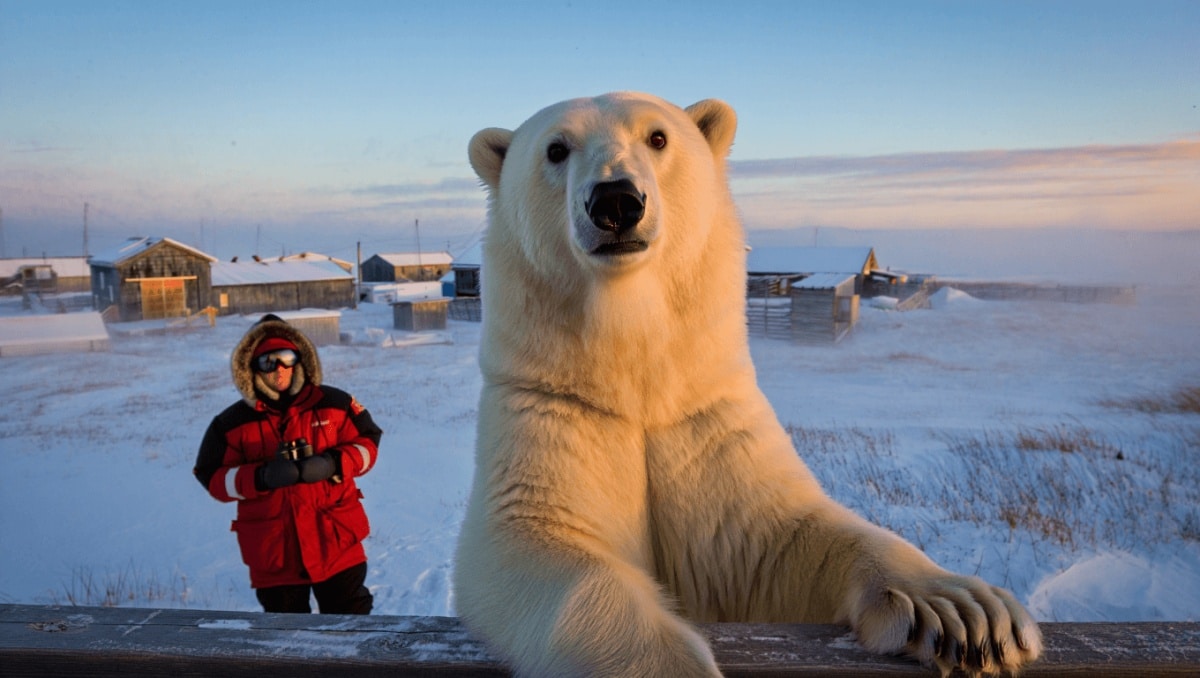
A remote Alaskan village on the edge of the Arctic is working to rebuild a niche wildlife economy centered on polar bear viewing, seeking to turn seasonal visitors into a reliable source of income while navigating safety, cultural priorities and a changing climate. The effort matters now as interest in Arctic travel rebounds and communities that once depended on wildlife tourism confront new environmental and regulatory realities.
Local leaders push to restore a seasonal lifeline
After months with few or no visitors, local officials and tribal councils have begun coordinating to welcome back small groups of travelers for guided polar bear viewing. Organizers say the plan is modest: controlled access, trained local guides, and limits on group size to reduce disturbance to animals and to protect residents.
Michael Page dropped from UFC rankings despite victory: what it means for his career
Viral video shows 81-year-old delivery worker struggling with heavy luggage
For this village, tourism isn’t just about dollars. Proceeds support community services, create seasonal jobs and provide an alternative to out-migration. Yet the push to revive outings is unfolding alongside urgent concerns about wildlife safety and the integrity of traditional livelihoods.
Balancing opportunity and risk
Community spokespeople emphasize that any revival must respect both conservation science and Indigenous priorities. Polar bears are a high-profile species, and encounters require careful management to avoid habituation or conflict.
Key elements of the community’s approach include locally run training for guides, partnerships with wildlife biologists, and a permitting system that caps visitor numbers. Organizers also stress that returns will be incremental rather than a sudden tourism boom.
- Economic benefits: seasonal jobs, local revenue, support for village infrastructure
- Safety needs: trained guides, clear viewing distances, emergency plans
- Conservation concerns: reducing disturbance, preventing habituation, coordinating with researchers
- Cultural respect: ensuring tourism aligns with subsistence practices and community values
Climate change and timing
The timing of polar bear appearances is increasingly unpredictable as sea ice patterns shift. That variability complicates scheduling for outfitters and residents who depend on seasonal visitors to provide steady income.
Long-term, the village’s model hinges on adapting to a landscape where wildlife movements are less certain. Some community leaders are exploring hybrid programs that combine bear viewing with educational programming about Arctic change and Indigenous culture, designed to lengthen visitor stays even when animal sightings are scarce.
What this means for travelers
Prospective visitors should weigh ethical and practical factors. Choose operators that are locally owned or operate in partnership with tribal organizations, and confirm that outings follow strict wildlife viewing guidelines. Expect limited capacity and flexible itineraries—sightings are not guaranteed.
Travel to remote Arctic communities also carries a larger carbon and logistical footprint. Many community organizers emphasize sustainable practices and urge visitors to consider their environmental impact when planning trips.
Voices from the village
Not everyone welcomes a rapid return to pre-pandemic tourism. Elders and hunters have raised concerns about safety and the potential for tourism to interfere with subsistence activities. At the same time, younger residents, many of whom left for jobs elsewhere, see controlled tourism as a chance to return home seasonally.
Leaders are attempting to reconcile these views through community meetings and incremental pilot seasons designed to test protocols and measure impacts. The consensus so far leans toward cautious, locally led recovery rather than outside-driven expansion.
Short-term outlook and broader stakes
In the coming months, the village will monitor visitor interest, bear behavior and safety outcomes, adjusting rules as needed. If successful, the model could offer a roadmap for other remote communities trying to balance economic resilience with stewardship of fragile Arctic ecosystems.
For readers, the story is a reminder that wildlife tourism in the Arctic is more than a novelty: it intersects with Indigenous sovereignty, climate-driven ecological shifts, and the livelihoods of people living at the frontline of environmental change.