Show summary Hide summary
Global oil markets swung sharply after Iran’s decision to reopen the Strait of Hormuz, sending crude prices tumbling roughly 9% and lifting U.S. equities to fresh highs. The sudden removal of a major supply-risk premium reshaped investor sentiment within hours, with traders reassessing energy and inflation outlooks.
Markets reacted quickly: oil benchmarks fell as traders priced out the premium for a chokepoint disruption, while stocks sensitive to a calmer geopolitical backdrop—financials, consumer cyclicals and broad market indices—pushed U.S. exchanges to record territory.
What changed and why it matters now
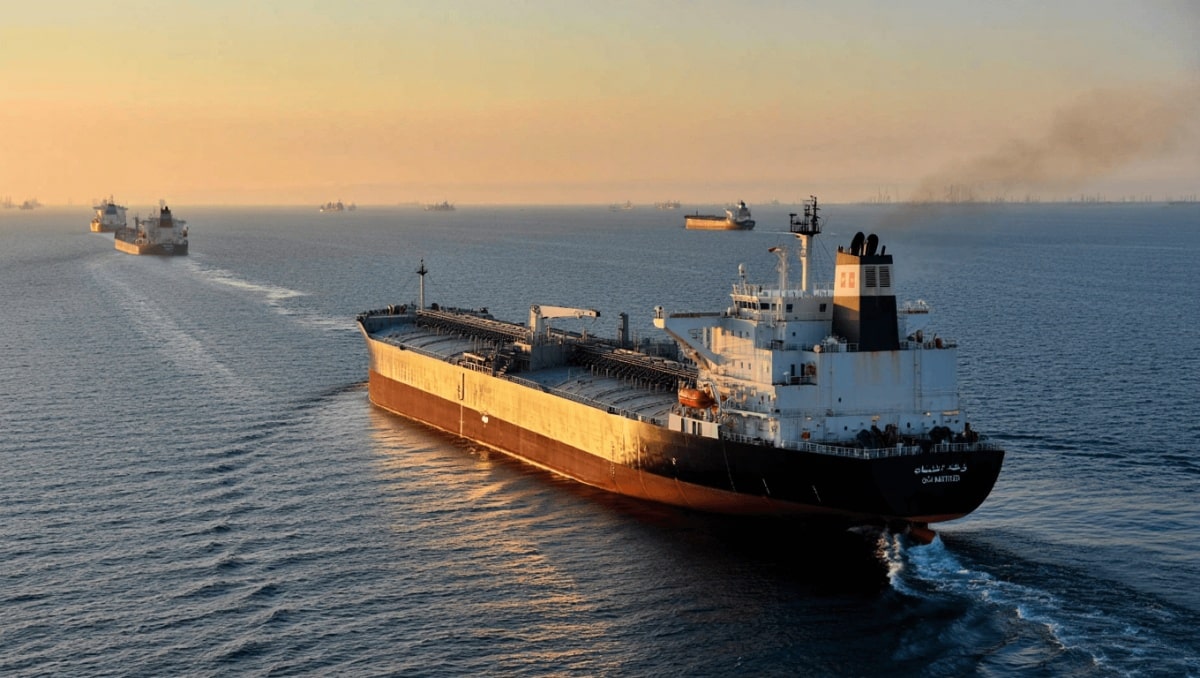
The Strait of Hormuz is a critical artery for global energy flows; any threat there raises the prospect of constrained crude shipments and higher fuel costs. With Tehran signaling the route is open, the immediate risk to seaborne flows eased, prompting a rapid unwind of protective trades across commodities and equities.
Michael Page dropped from UFC rankings despite victory: what it means for his career
Viral video shows 81-year-old delivery worker struggling with heavy luggage
That unwind matters beyond headline moves: lower oil prices can shave short-term inflation pressures, influence central bank calculations about interest rates, and reduce operational costs for energy-intensive sectors. For consumers, it may eventually mean lower pump prices; for investors, it shifts where risk and opportunity sit across markets.
Market movements at a glance
- Oil prices fell about 9% as the supply-risk premium retreated.
- Major U.S. stock indexes climbed, with the S&P 500 reaching a new closing high on broad-based gains.
- Energy-sector shares underperformed on the drop in crude, while cyclicals and financials led advances.
- Shipping and insurance costs for tankers may decline if the security outlook remains stable.
Traders quickly rotated out of safe-haven and volatility hedges, reallocating to equities and credit. That reallocation produced strong intraday momentum in stocks, reflecting confidence that the geopolitical shock had diminished—at least for the moment.
Implications for policy, companies and consumers
Central banks watch commodity-driven inflation closely. A sustained fall in oil prices could ease near-term inflation readings, potentially reducing pressure on policymakers to tighten further. However, officials will weigh that against wages, services-price trends and other indicators before changing course.
For energy companies, lower crude pressures margins and earnings forecasts, particularly for exploration and smaller producers that rely on higher price levels. Conversely, sectors such as airlines and transportation benefit from falling fuel costs, improving operating margins if the decline persists.
Risks that remain
Even with the strait reopened, the geopolitical environment is fragile. Supply disruptions can recur, and markets remain sensitive to any new developments in the region. Oil’s recent drop reflects a reassessment, not a permanent settlement.
- Short-term volatility: Prices could rebound quickly if tensions flare again.
- Policy uncertainty: Central banks will watch whether lower energy costs translate into sustained disinflation.
- Market positioning: Rapid flows into equities can reverse if risk appetite shifts back toward safety.
Investors and policymakers now face a narrower but still uncertain set of scenarios: whether the reopening signals a durable de‑escalation or a temporary lull. For regular consumers, any relief at the pump depends on how long the weakened premium on oil holds and how downstream supply chains respond.
In the coming days, market participants will monitor shipping activity through the strait, official statements from regional governments, and inventory data that together will determine if today’s price moves mark a turning point or a brief correction in a still-tense environment.