Show summary Hide summary
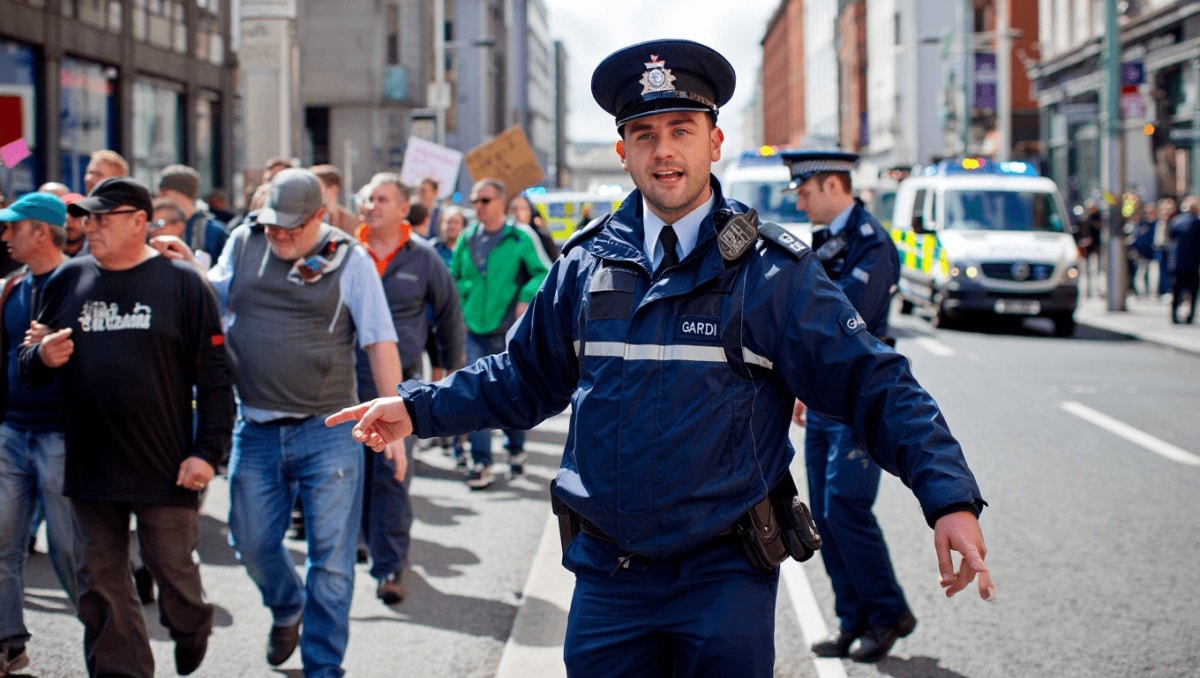
Gardaí cleared a group of demonstrators from Dublin’s central streets on Tuesday after a peaceful occupation aimed at protesting rising fuel costs began to impede traffic and local commerce. The operation underscores growing public frustration with energy prices and raises immediate questions about travel disruption and how authorities will manage similar actions in coming days.
The protest—organized by a grassroots campaign objecting to surging fuel prices—had gathered vehicles and placards in a busy section of the city centre, drawing commuters and shopkeepers into the dispute. Officers moved in after warning that emergency access and deliveries were being affected, escorting protesters away and reopening roads.
How the situation unfolded
Michael Page dropped from UFC rankings despite victory: what it means for his career
Viral video shows 81-year-old delivery worker struggling with heavy luggage
The stand-off began when motorists and activists blocked a key thoroughfare, forming a slow-moving convoy and setting up a stationary demonstration. Eyewitnesses reported heavy congestion as buses and taxis were forced to detour, and some retailers temporarily closed their doors because deliveries could not arrive.
Gardaí said they sought to balance the right to protest with public safety, allowing demonstrators time to leave voluntarily before asking them to disperse. The clearance was largely orderly, though officers remained on site for several hours as traffic returned to normal.
- Immediate impact: delays to public transport and longer journey times for commuters.
- Local economy: short-term disruption for shops and suppliers inside the blocked area.
- Public safety: concerns around emergency-vehicle access prompted police intervention.
Why this matters now
With global energy markets still volatile, protests over the cost of petrol and diesel have national resonance. For ordinary drivers and businesses that rely on deliveries, even temporary blockages translate into lost time and higher operating costs. Politically, such demonstrations add pressure on policymakers to respond with either fiscal measures or targeted support.
Transport operators and city authorities are watching closely. If similar actions recur, Dublin could face repeated traffic disruption at key times, affecting not only commuters but also supply chains for restaurants, shops and construction sites.
| Stage | What happened | Immediate consequence |
|---|---|---|
| Protest begins | Motorists and campaigners assemble in central Dublin | Roads slow; buses rerouted |
| Police response | Warnings issued, then dispersal of demonstrators | Traffic reopened; presence of officers maintained |
| Aftermath | Business owners and commuters assess delays | Calls for contingency planning from city managers |
Voices around the scene
Shopkeepers described a mix of sympathy for the activists and frustration at lost trade. Commuters said their journeys took significantly longer, while some passengers praised the police for restoring access quickly. City officials emphasized that they support lawful protest but will act where essential services or safety is put at risk.
The protesters framed their action as a direct response to household pressure from higher heating and transport bills, and urged the government to consider measures they say would ease the burden on low- and middle-income households.
What to expect next
Authorities are preparing contingency plans should further demonstrations be announced. That could include earlier traffic advisories, temporary road closures with clear alternative routes, and closer coordination with public-transport operators to limit disruption.
- Commuters: check local travel alerts before setting out; allow extra time.
- Businesses: consider flexible delivery windows and contingency suppliers.
- Policymakers: pressure to propose short-term relief or longer-term strategies on energy costs may increase.
As protest tactics evolve, the balance between peaceful public expression and uninterrupted city life will remain a test for both civic leaders and law enforcement. For Dubliners, the immediate consequence is practical: when demonstrations intersect with daily movement, the ripple effects are felt across transport, retail and services.