Show summary Hide summary
The Kankakee-area wastewater treatment plant is confronting a steady drop in trucked-in industrial waste that is already eroding a key revenue stream and could force higher charges for customers across its service area. That shortfall also alters planning: lower hauled-in volumes ease pressure on capacity needs even as regulators and aging equipment push the plant toward planned upgrades.
Board members at last week’s Kankakee Regional Metropolitan Agency meeting were briefed on the trends and their local consequences, laying out a mix of financial pressure and operational trade‑offs that will affect municipalities served by the plant.
Where the numbers stand
Michael Page dropped from UFC rankings despite victory: what it means for his career
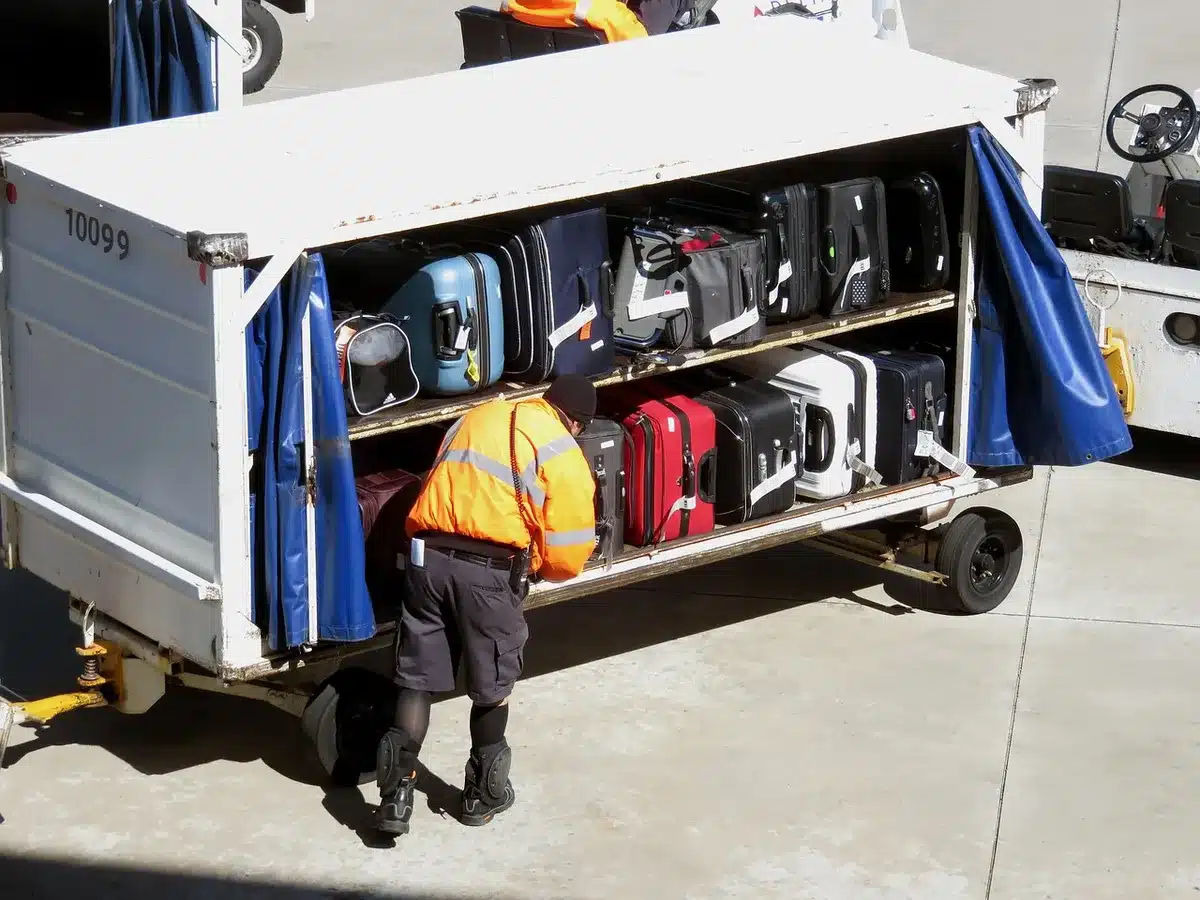
Viral video shows 81-year-old delivery worker struggling with heavy luggage
The facility has a licensed treatment limit of 25 million gallons per day but is currently processing about 13 million gallons daily—well below maximum but uneven because some incoming loads require extra processing time. That imbalance, officials said, reduces the plant’s effective throughput.
Financially, hauled‑in wastewater was budgeted to bring in $100,000 per month, but recent months have fallen short. In February the plant took in roughly $54,349 from hauled loads, and the agency reports the hauled‑waste revenue line is about $470,000 below last year’s level with the fiscal year ending April 30.
- Plant capacity: 25 million gallons per day
- Current daily treatment: ~13 million gallons
- Budgeted hauled‑in revenue: $100,000/month
- February hauled‑in receipts: $54,349
- Estimated annual lost treatment: 1.0–1.6 million gallons
- Planned upgrade: $8.2 million, 18–24 months starting this September
- Recruitment target: within a 60‑mile radius
Causes: shifting customers and local competition
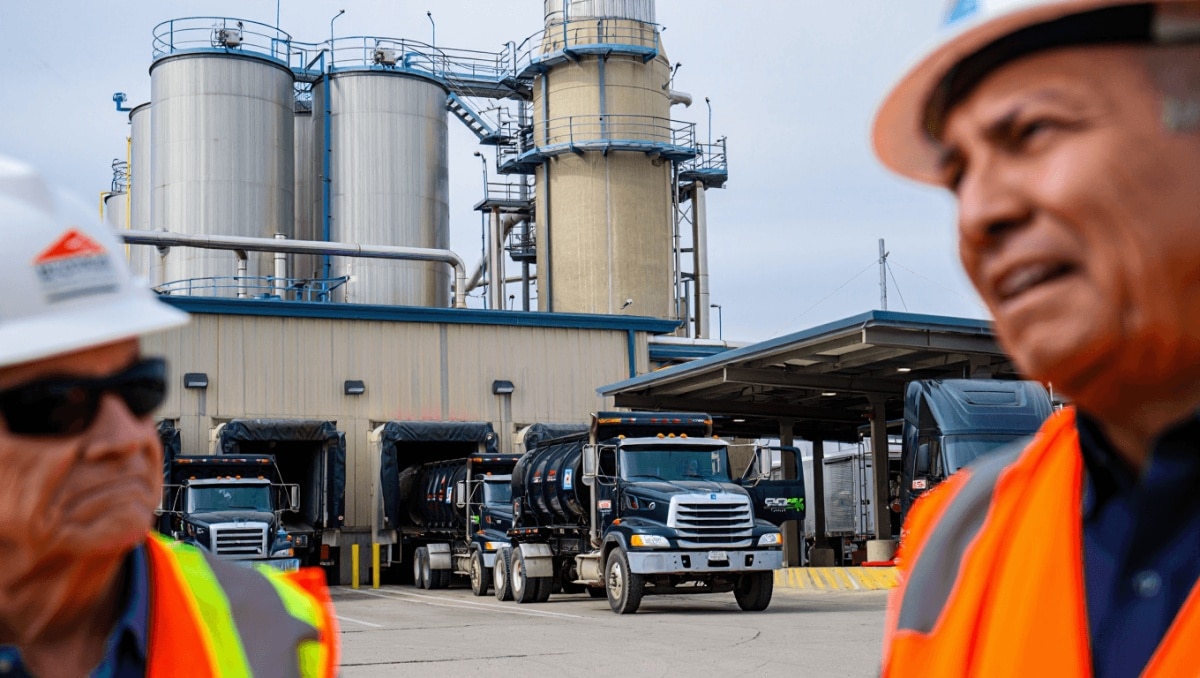
Agency Executive Director Dave Tyson attributed the decline to multiple factors rather than a single cause. One immediate hit came after a February 2025 fire destroyed the Gilster‑Mary Lee plant in Momence. The company has chosen not to rebuild that facility, removing about 100,000 gallons per month from the plant’s intake.
Tyson also pointed to increased processing at Waste Management‑affiliated plants in the Chicago suburbs as siphoning away some of the trucked waste KRMA formerly handled. At the same time, some industrial loads arrive without required pre‑treatment, which slows processing and reduces effective capacity.
Board reactions and operational implications
Bradley Mayor Mike Watson, who sat in as a board member at the meeting, said the drop in hauled‑in volumes reduces near‑term pressure to expand capacity. “Less trucked‑in waste means less immediate need for increased capacity,” he observed.
Tyson agreed that lower volumes change the expansion calculus but cautioned that regulatory developments will still require investment. Tighter rules from the Illinois Environmental Protection Agency are expected to mandate upgrades that go beyond simply adding capacity, he said.
The governing board includes representatives from Kankakee, Bradley, Bourbonnais and Aroma Park, with Kankakee holding four of the seven seats.
Planned work, and what residents should expect
Despite the revenue dip, the plant will move forward with an equipment-focused rehabilitation estimated at about $8.2 million, starting in September and lasting 18 to 24 months. That project is described as maintenance and replacement rather than a capacity expansion tied to hauled‑in waste.
Staff are actively seeking new hauled‑waste customers across a roughly 60‑mile radius, but Tyson warned it could take months before new accounts materialize and revenues recover.
For residents and municipal customers, the immediate stakes are clear: continued shortfalls in hauled‑in revenue could put upward pressure on the rates charged to communities connected to the system. At the same time, fewer trucked loads temporarily eases the argument for near‑term expansion, even as regulatory changes and aging equipment commit the agency to further capital work.
Officials say they will monitor intake and revenue trends closely and report updates to the board as recruitment and regulatory planning proceed.