Show summary Hide summary
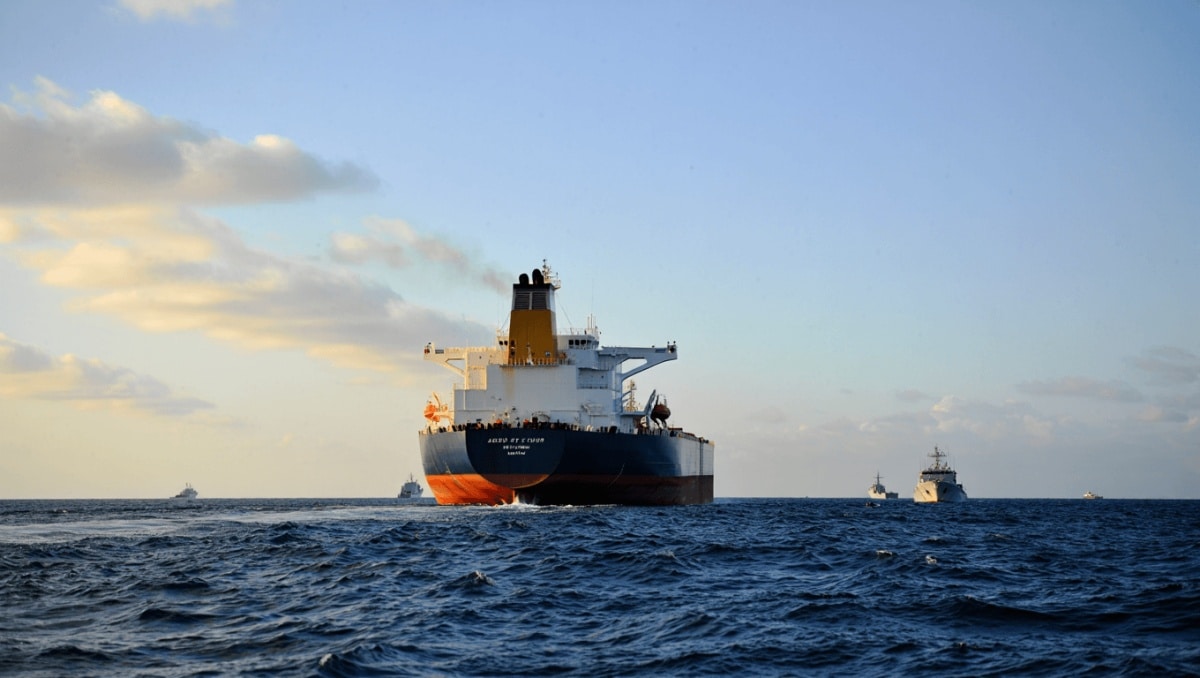
Shipping through the Strait of Hormuz has all but stalled, choking a vital corridor for global oil and sending ripples through energy markets as nations scramble to respond. With attacks on commercial vessels and threats of further strikes unfolding in recent weeks, producers and traders are facing immediate supply disruptions and rising costs.
The strait’s narrow lanes link the Persian Gulf to the open ocean; before the current crisis, about one-fifth of the world’s oil moved through this chokepoint. Although some ships are still crossing, the bulk of oil tankers and many cargo carriers have diverted or paused operations amid security concerns and higher insurance rates.
The waters themselves are classified as international, but geography and a persistent military presence give nearby states — particularly Iran — significant leverage over transit. That mix of legal openness and practical control has made the strait a recurring flashpoint for more than four decades.
Michael Page dropped from UFC rankings despite victory: what it means for his career
Viral video shows 81-year-old delivery worker struggling with heavy luggage
How a narrow passage affects a global market
When traffic through the Strait of Hormuz is threatened, the impact is immediate and measurable: refineries face longer delivery times, traders factor in higher risk premiums, and sovereign producers may be forced to cut exports simply because tankers will not take the route.
- Share of global oil: Roughly 20% of seaborne oil moved through the strait before the recent escalation.
- Price sensitivity: Even short interruptions push benchmarks higher as markets price in tighter supply.
- Operational costs: Insurers and shipping firms raise premiums or withdraw coverage, increasing freight rates and complicating charters.
- Geopolitical ripple effects: Producer decisions, alliance dynamics and regional military deployments often follow disruptions.
1980s — The Tanker War and direct combat
During the Iran–Iraq war, the strait became a battlefield as both sides targeted tankers and laid mines to choke each other’s oil exports. The United States stepped in to protect commercial traffic, escorting neutral tankers at times and confronting Iranian forces in exchanges that escalated regional danger.
One of the most consequential incidents in that period occurred in 1988, when a U.S. warship shot down an Iranian passenger plane, killing 290 people — a tragic episode that underscored how quickly commercial and civilian traffic can be caught up in military miscalculations.
2011–2012 — Sanctions and saber-rattling
When Western powers tightened sanctions over Iran’s nuclear program, Tehran warned it could block the strait in retaliation. The threat did not materialize into a full closure, but the prospect of disruption helped push Brent crude above $100 a barrel and kept markets on edge for months.
2018 — After the U.S. exit from the nuclear deal
Following the U.S. withdrawal from the JCPOA and the reimposition of sanctions in 2018, Iran again threatened to impede traffic through the waterway. Those threats were not carried out, yet the episode contributed to volatility in oil markets and stress for producers dependent on smooth exports.
2019–2025 — Mines, drones and seizures
Incidents in recent years have repeatedly tested maritime security: limpet-mine attacks and drone strikes damaged tankers, while a series of ship seizures raised alarms for operators and insurers. Tehran has denied responsibility for some attacks even as it has detained vessels it accuses of smuggling or violating local laws.
Despite these provocations, the strait has remained open most of the time, but the recurring pattern — attacks, detentions, spikes in insurance costs — has steadily raised the operational and financial cost of shipping through the region.
June 2025 — A brief war and renewed fears
Last year’s short-lived conflict between Israel and Iran renewed anxieties about a possible blockade. Although the strait was not closed and any price impact proved temporary, traders and shipping firms moved quickly to assess exposure, showing how even short episodes alter market behavior.
These historical precedents show a familiar dynamic: threats or limited attacks rarely lead to a permanent closure, but they do force shippers, insurers and governments to adjust — often at significant cost.
What happens next — practical consequences
Markets and maritime firms now face several near-term variables: whether attacks continue or escalate, how quickly insurers restore normal coverage, and whether producers can redirect exports via alternative routes or storage.
Policymakers also have options — from naval escorts and convoy systems to diplomatic pressure and targeted sanctions — but each carries political and operational trade-offs. For consumers and businesses, the immediate risks are higher fuel bills and slower deliveries; for global energy security, the repeated tensions underline the vulnerability of a system that relies heavily on a single chokepoint.
In the coming days, the most important indicators to watch are shipping-track data for vessel transits, real-time insurance-rate movements, and official statements from regional navies. Those signals will show whether this episode is another temporary disruption or the start of a more sustained challenge to the free flow of maritime oil and goods.