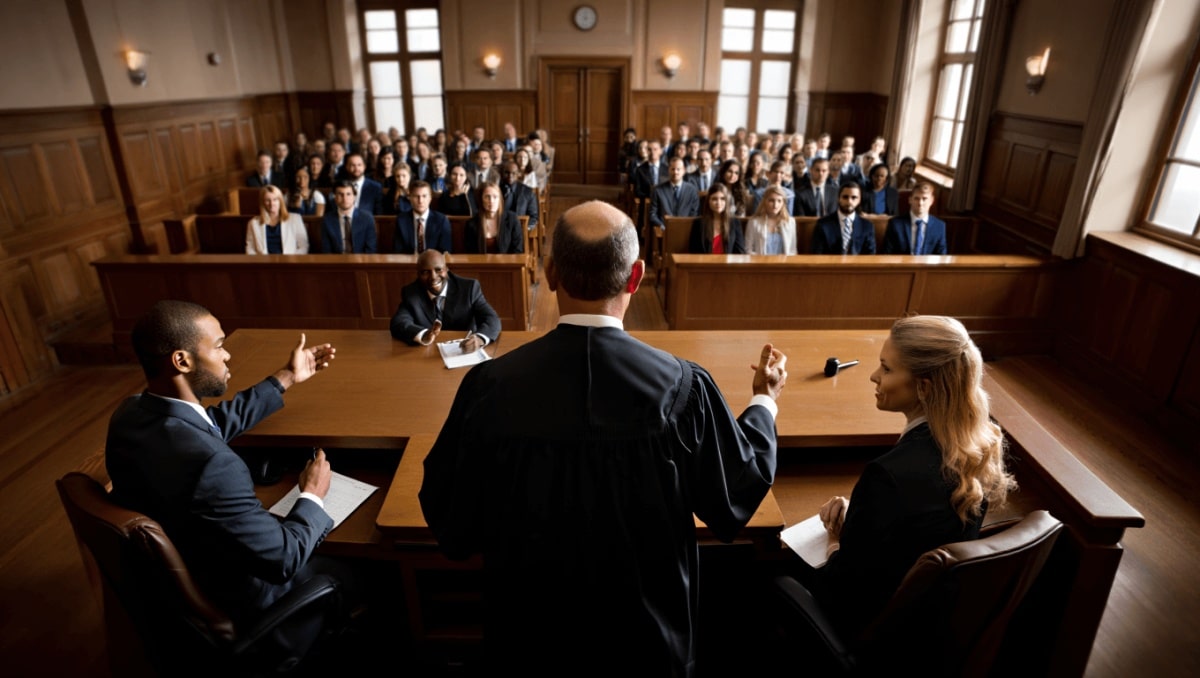
Closing arguments wrapped up Thursday at the Spring Street Courthouse in Los Angeles in a high-stakes bellwether trial that could shape the future of thousands of lawsuits targeting social platforms. Jurors are scheduled to begin deliberations Friday morning after hearing competing accounts over whether major tech companies bear legal responsibility for a young woman’s worsening mental health.
The plaintiff, identified in court documents as KGM and referred to during the trial as Kaley, is a 20-year-old who says early and heavy use of social apps intensified her depression and suicidal thoughts. Meta and Google-owned YouTube face the trial; TikTok and Snap settled with the plaintiff before the case reached the courtroom.
Throughout closing statements, the plaintiff’s attorney portrayed the platforms as knowingly exploiting vulnerable youth. He pointed jurors to internal records from both companies that, he argued, showed awareness of designs and features that encourage extended use among minors.
Michael Page dropped from UFC rankings despite victory: what it means for his career
Viral video shows 81-year-old delivery worker struggling with heavy luggage
Defendants pushed back, highlighting the plaintiff’s difficult family life and medical history that predated her social media use. A Meta lawyer urged jurors to consider whether her struggles would have occurred absent Instagram, and noted that none of her treating clinicians had blamed the platform as the root cause.
YouTube’s legal team maintained the company operates more like a video service than a social network, saying its product lacks the same social-feedback mechanisms and arguing that the platform’s tools intended to protect viewers were not abused by the plaintiff’s family.
Throughout the trial, attorneys from both sides used visual aids to clarify legal points and evidence. The plaintiff’s lawyer also displayed a small baked good in court to illustrate the judge’s instruction that a defendant’s conduct need only be a substantial factor—not the sole cause—in producing harm.
- Key legal questions for jurors: whether Meta or YouTube acted negligently; whether that negligence was a substantial factor in the plaintiff’s harm; and, if so, how much to award in damages.
- Vote required: this civil case requires agreement from at least nine of the 12 jurors on each count.
- Separate verdicts: jurors will evaluate each company independently, treating each decision “as if it were a separate lawsuit.”
The case was chosen as a bellwether to test legal theories that appear across a wave of similar suits alleging social platforms contributed to youth mental-health crises. A ruling for the plaintiff could encourage other cases to proceed and potentially increase pressure on platforms to change design choices or expand safety features. A defense verdict would likely dampen momentum for comparable claims.
Arguments over responsibility have also turned on practical questions: what safety tools and parental controls were available, whether they were used, and how platforms document and respond to risks. Lawyers for Meta and YouTube laid out the safety controls and time-respecting goals each company says it has adopted, while noting the plaintiff and her family did not use some of those options.
Beyond the courtroom impact, observers say the trial could influence regulators and lawmakers weighing new rules on algorithmic design, youth protections, and transparency. If jurors find liability, damages awards could set precedents for compensation tied to alleged harm from digital services; if not, industry advocates will point to the verdict as evidence that litigation is not the best remedy for societal concerns about youth mental health.
Jurors will also determine any monetary award if they find either or both companies liable. The plaintiff’s counsel urged jurors to consider the nonfinancial losses tied to adolescence interrupted by mental-health struggles, asking them to weigh what the lost years are worth to a young person.
Deliberations begin Friday morning and are expected to be closely watched by legal teams representing other plaintiffs, technology companies, and policy makers monitoring how courts handle claims against major platforms.